
When Texas Requires Proof of Financial Responsibility
Texas requires proof of financial responsibility in three specific situations: after a crash where you're at fault or cannot prove the other driver was, when cited for driving without insurance, and at vehicle registration or license reinstatement. The Department of Public Safety administers these requirements through the Administrative License Revocation program, and the proof you provide must meet minimum liability limits of $30,000 per person for bodily injury, $60,000 per accident for bodily injury, and $25,000 for property damage.
The confusion starts when drivers assume proof means only a current insurance card. Texas statute recognizes six distinct forms of financial responsibility proof, and which one you need depends on whether you're maintaining ongoing coverage, reinstating after a suspension, or satisfying a specific DPS requirement triggered by a violation or crash.
Compare car insurance rates in your state
Get quotes from licensed carriers — no obligation, no spam, results in minutes.
Get Your Free QuoteTexas Uninsured Motorist Rate
14.5%
Nearly one in seven Texas drivers operates without insurance, the second-highest uninsured rate among large states. This drives the state's strict proof requirements and explains why DPS audits coverage status after crashes and citations.
Insurance Information Institute, 2023
The Six Forms Texas Accepts as Financial Responsibility Proof
An insurance card or policy declaration showing coverage that meets state minimums is the most common form. The card must name you as a driver or policyholder, show the vehicle, and display coverage effective dates that span the period DPS is verifying. Digital insurance cards displayed on a phone are legally equivalent to paper cards in Texas.
An SR-22 certificate is a continuous-verification filing your carrier submits directly to DPS. Texas requires SR-22 for DWI, drug offenses, driving while license invalid, a second or subsequent no-insurance conviction, crash suspension, civil judgment, or crash security deposit. The SR-22 period lasts two years from the date DPS receives the filing, and your carrier notifies DPS immediately if coverage lapses.
A surety bond posted with the county clerk guarantees payment up to the state minimum limits. Bonds are used when a driver cannot obtain insurance but needs to reinstate immediately. The bond issuer pays claims up to the limit, then pursues reimbursement from you.
The deposit is refundable after the proof period ends, but ties up capital most households cannot spare. A certificate of self-insurance from another state is accepted if Texas and that state have a reciprocal agreement.
Most drivers assume an insurance card is the only proof Texas accepts, but SR-22 certificates, surety bonds, and cash deposits are equally valid and sometimes faster paths to reinstatement.
How to Submit Proof to the Texas Department of Public Safety

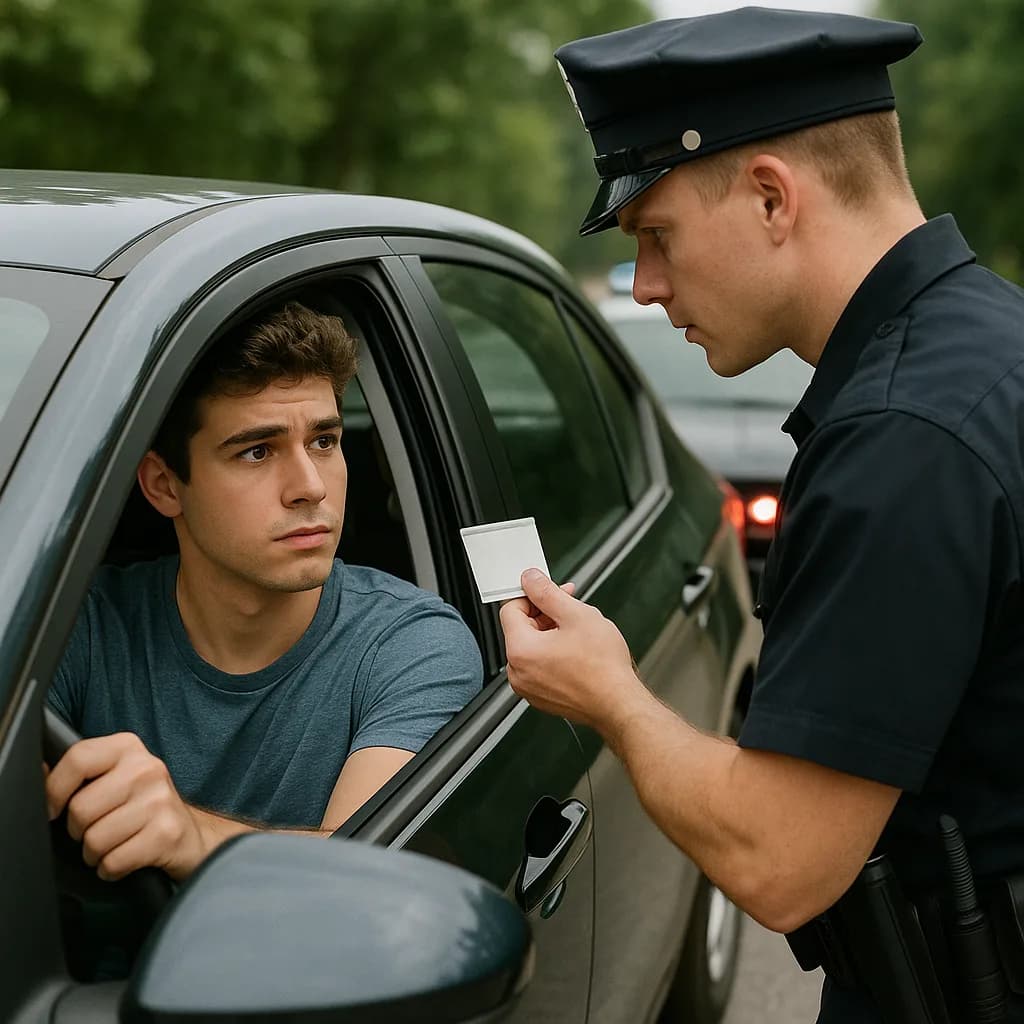
If DPS mails you a notice requesting proof after a crash or citation, you have 20 days from the notice date to submit. Mail a copy of your insurance card, policy declaration, or bond certificate to the address on the notice, or upload it through the DPS online portal if your notice includes a case number.
For license reinstatement after suspension, submit proof in person at a DPS driver license office or mail it with your reinstatement application and fee. If your suspension was triggered by a DWI, drug offense, or repeat no-insurance conviction, DPS requires SR-22 filing, not just an insurance card. The SR-22 must be active before DPS processes reinstatement, and your carrier files it electronically. Vehicle registration at the county tax office requires proof at the counter: bring your insurance card or policy declaration showing the vehicle and current coverage.
Related Articles




What Happens When Proof Lapses or Is Rejected
If your insurance lapses during the proof period DPS is monitoring, your carrier notifies DPS within 10 days. The suspension stacks: if you were required to maintain proof for two years and lapsed after one year, you owe one more year plus the suspension period.
DPS rejects proof that does not meet state minimums, does not name you or the vehicle, or shows coverage dates that do not span the verification period. Rejected proof extends the suspension until you submit acceptable documentation. If you submitted an insurance card but DPS required SR-22 filing, the card is rejected and you must have your carrier file SR-22 before reinstatement proceeds.
A crash where you cannot prove the other driver was at fault triggers a proof requirement even if you carry insurance. DPS mails a notice requiring proof of coverage at the time of the crash. If you were uninsured at the time but obtain coverage afterward, the new policy does not satisfy the requirement: you must post a bond, deposit cash, or negotiate a payment plan with the other party to avoid suspension.
Texas Reinstatement Base Fee
The base reinstatement fee applies to most suspensions triggered by proof-of-insurance failures. Additional fees apply for DWI, multiple violations, or extended suspension periods, and all fees must be paid before DPS processes reinstatement.
Texas Department of Public Safety
Choosing the Right Proof Form for Your Situation
If you carry continuous insurance and received a DPS notice after a crash or citation, submit your insurance card or policy declaration. This is the fastest path and costs nothing beyond your existing premium. If DPS required SR-22 filing due to a DWI or repeat no-insurance conviction, contact your carrier and request SR-22. Not all carriers file SR-22 in Texas: if your current carrier does not, you must switch to one that does before reinstatement proceeds. Carriers that file SR-22 in Texas include State Farm, GEICO, Progressive, Allstate, Farmers, Nationwide, USAA, Dairyland, Bristol West, and The General.
If you cannot obtain insurance due to a high-risk driving record, a surety bond posted with the county clerk allows immediate reinstatement. Bond premiums typically cost 10–15% of the bond amount annually, and the bond issuer requires collateral.
Compare Carriers That File SR-22 in Texas
If DPS required SR-22 filing, your next step is confirming your current carrier files SR-22 in Texas or switching to one that does. Carriers that file SR-22 electronically in Texas include State Farm, GEICO, Progressive, Allstate, Farmers, Nationwide, USAA, Dairyland, Bristol West, The General, Direct Auto, GAINSCO, Infinity, Kemper, Mercury General, National General, and Root. Not all carriers write SR-22 policies for all violation types: some exclude DWI, others exclude repeat offenses.
Use the Texas car insurance requirements page to compare carriers by SR-22 capability, rate tier, and online quote availability. Enter your vehicle, violation history, and coverage needs to see which carriers write your situation and what filing options they offer.