
Texas Financial Responsibility Law — What It Requires
Free to compare
What Financial Responsibility Actually Means in Texas
You registered two cars in Texas, and both registration documents reference financial responsibility. The term sounds like a general obligation to be prudent, but it is a specific legal requirement: you must prove you can pay for bodily injury and property damage you cause in a crash, up to statutory minimums. Texas enforces this through mandatory liability insurance carried on every registered vehicle.
The Texas Financial Responsibility Law does not require you to buy collision, comprehensive, or any coverage that pays for your own vehicle or injuries. It requires only that you carry liability insurance meeting the state's minimum limits, so that someone you injure in a crash can recover damages without suing you personally. The law applies per vehicle — a household with three cars must meet the requirement on all three, either on one shared policy or across separate policies.
“The law enforces per vehicle, not per household — a multi-car policy covering three vehicles meets the requirement for all three.”

See What Texas Drivers Pay for the Coverage They Need
Get My Texas Car Insurance Quote$30,000 / $60,000 / $25,000
Texas Minimum Liability Limits
Bodily injury coverage must be at least $30,000 per person and $60,000 per accident. Property damage coverage must be at least $25,000 per accident. These are the amounts your liability insurance must pay before your personal assets are at risk.
Texas Department of Public Safety
How the Law Defines Compliance
Texas considers you in compliance when you carry a liability policy meeting the $30,000/$60,000/$25,000 minimums on every vehicle you own and register. The policy must be issued by a carrier licensed in Texas and must list the vehicle's VIN. Proof of compliance is the insurance card or electronic verification your carrier files with the Texas Department of Public Safety.
The law does not require you to carry Personal Injury Protection or Uninsured Motorist coverage to meet financial responsibility. Those coverages are optional in Texas. The only mandatory coverage is liability, and the only mandatory amounts are the three minimums above. A household insuring multiple vehicles meets the requirement when every car on the registration carries liability at or above those limits.
Texas does not accept cash deposits, surety bonds, or self-insurance certificates for ordinary drivers. Financial responsibility is satisfied through insurance, period. The only exception is a commercial fleet operator or government entity that qualifies for self-insurance under a separate statute — a household with two or four cars does not qualify.
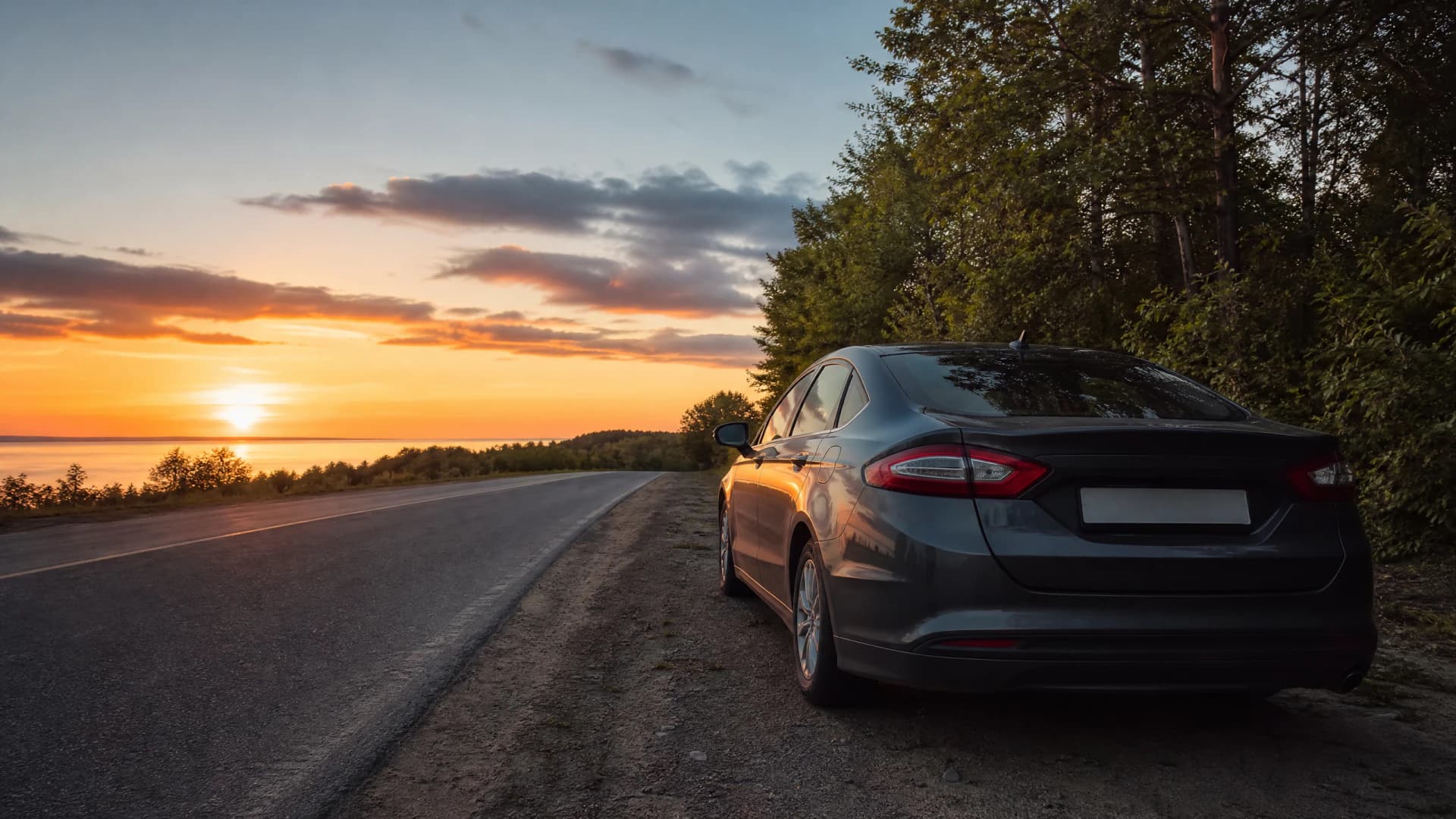
The law enforces per vehicle, not per household. A multi-car policy covering three vehicles meets the requirement for all three; three separate policies each covering one vehicle also meet it.
Related Articles





What Happens When You Let Coverage Lapse
Texas imposes administrative penalties for lapses, separate from any traffic citation. When your carrier cancels your policy or you drop coverage, the carrier notifies the Department of Public Safety electronically. If you do not replace the policy within 30 days, DPS suspends your vehicle registration and your driver license. The suspension is automatic — you do not receive a hearing or a grace period beyond the initial 30 days.
The SR-22 is not a separate insurance product; it is a filing your carrier submits to DPS confirming you carry at least the minimum liability limits. If you cancel or lapse again during that window, the carrier notifies DPS immediately and your license suspends again.
A household with multiple vehicles faces this penalty per vehicle. If you drop coverage on two cars and let both registrations lapse, you owe two reinstatement fees and must file SR-22 for both. The law does not aggregate lapses across a household — each vehicle's lapse is a separate violation with separate consequences.
14.5%
Texas Uninsured Motorist Rate
Nearly one in seven Texas drivers operates without insurance, the sixth-highest uninsured rate in the country. This is why Uninsured Motorist coverage, though optional under the financial responsibility law, is a common add-on for households insuring multiple vehicles.
Insurance Information Institute, 2023

How Multi-Car Households Structure Compliance
A household with two or more vehicles meets the financial responsibility requirement when every car carries liability at the statutory minimums. You can structure this on one shared policy covering all vehicles, or on separate policies each covering one vehicle. Both structures comply, but the shared-policy structure typically costs less because carriers apply a multi-car discount when every vehicle sits on the same policy.
The multi-car discount is not a legal requirement — it is a pricing practice most carriers use to retain households that insure multiple vehicles with them. The financial responsibility law does not care whether you save money; it cares only that every vehicle carries the minimum liability limits. A household that splits its vehicles across two carriers pays more but still complies, as long as each policy meets the minimums for the vehicles it covers.
Compare Carriers That Write Multi-Vehicle Policies in Texas
Texas licenses 29 carriers that write liability coverage for households insuring two or more vehicles. Rates vary by carrier, by vehicle, and by the drivers in your household — the $30,000/$60,000/$25,000 minimums are the floor, but what you pay to meet them depends on your driving record, your vehicles' make and model, and where you garage the cars. Comparing quotes from multiple carriers is the only way to identify the lowest compliant rate for your household's specific situation.
Compare Texas car insurance carriers that write multi-vehicle policies and meet the state's financial responsibility requirements. Enter your household's vehicles and drivers to see quotes structured around the liability minimums the law requires.
When Texas Checks Your Compliance
Texas checks compliance at vehicle registration and renewal. When you register a new car or renew an existing registration, the county tax office queries the Department of Public Safety's TexasSure database to confirm your carrier has filed proof of insurance for that VIN. If no active policy appears, the registration is denied until you provide proof. This is the first enforcement gate most drivers encounter.
The second trigger is a traffic stop. An officer who stops you for any reason will ask for proof of insurance. Texas accepts the insurance card your carrier issues, or the electronic verification available through the TexasSure mobile app. If you cannot produce proof, the officer issues a citation for driving without financial responsibility, which carries a fine and potential license suspension. The law does not distinguish between a lapse and never having carried insurance — both are violations.
Get Your Free Quote
Get My Texas Car Insurance QuoteFrequently Asked Questions
What is the Texas Financial Responsibility Law?
The Texas Financial Responsibility Law requires every registered vehicle owner to carry liability insurance meeting minimum limits of $30,000 per person, $60,000 per accident for bodily injury, and $25,000 per accident for property damage. The law enforces this through registration denial, traffic citations, and license suspension for lapses.
Does Texas require insurance on every car I own?
Yes. Texas requires liability insurance meeting the state minimums on every vehicle you register. A household with three cars must carry compliant coverage on all three, either on one shared policy or across separate policies.
What happens if I let my car insurance lapse in Texas?
Texas suspends your vehicle registration and driver license automatically if you go 30 days without replacing a canceled or lapsed policy. Each lapsed vehicle triggers a separate reinstatement fee.
Can I meet Texas financial responsibility without buying insurance?
No, for ordinary drivers. Texas requires liability insurance issued by a licensed carrier. The state does not accept cash deposits or bonds for household vehicles. Only commercial fleet operators or government entities qualify for self-insurance under a separate statute.
Does a multi-car policy in Texas cost less than separate policies?
Usually, because most carriers apply a multi-car discount when every vehicle sits on the same policy. The financial responsibility law does not require you to use one policy, but the shared-policy structure typically reduces your total premium compared to insuring each vehicle separately.
What proof of insurance does Texas accept at a traffic stop?
Texas accepts the insurance card your carrier issues, or electronic verification through the TexasSure mobile app. The officer checks that your policy is active and meets the $30,000/$60,000/$25,000 liability minimums. If you cannot produce proof, you receive a citation.