
Car Insurance Requirements — Texas
Free to compare
What Texas Requires When You Insure Multiple Vehicles
You just added a second or third car to your household and you're confirming what Texas law requires you to carry. The state mandates minimum liability coverage on every vehicle you register: $30,000 bodily injury per person, $60,000 bodily injury per accident, and $25,000 property damage. Those limits apply per vehicle, not per policy, so a household with three cars must meet the same minimums on all three.
The confusion starts when you try to structure coverage across your vehicles. Most carriers offer a multi-car discount, but that discount only applies when every vehicle sits on the same policy. A car titled to a household member on a separate policy does not count toward your multi-car discount, even if both policies share the same garaging address. The structural reality: the discount is policy-based, not household-based.
“The multi-car discount applies to the policy, not the household—a car on a separate policy does not count.”
See What Texas Drivers Pay for the Coverage They Need
Get My Texas Car Insurance Quote$30,000/$60,000/$25,000
Texas Minimum Liability Per Vehicle
Every registered vehicle must carry at least $30,000 bodily injury per person, $60,000 bodily injury per accident, and $25,000 property damage. These are per-vehicle minimums, not household totals.
Texas Department of Public Safety
How the Multi-Car Discount Actually Works in Texas
The multi-car discount reduces the per-vehicle premium when you insure two or more cars on one policy. The discount applies to the policy as a whole, not to individual vehicles. That means adding a second car to your existing policy typically lowers the per-vehicle cost for both cars, but only if both vehicles sit on the same policy.
If your spouse or household member carries their own separate policy, their vehicle does not count toward your multi-car discount. The carrier treats each policy independently. Combining two separate policies into one shared policy usually lowers the combined premium, but not always. The outcome depends on each driver's record, the vehicles being insured, and how each carrier prices multi-car policies.
When you add a vehicle mid-term, the carrier re-rates the entire policy rather than simply adding a flat amount. That re-rating can change the premium on your existing vehicles, especially if the newly-added car is higher-risk or if the additional vehicle pushes you into a different rating tier. The multi-car discount does not guarantee savings on every vehicle; it guarantees a lower per-vehicle average across the policy.
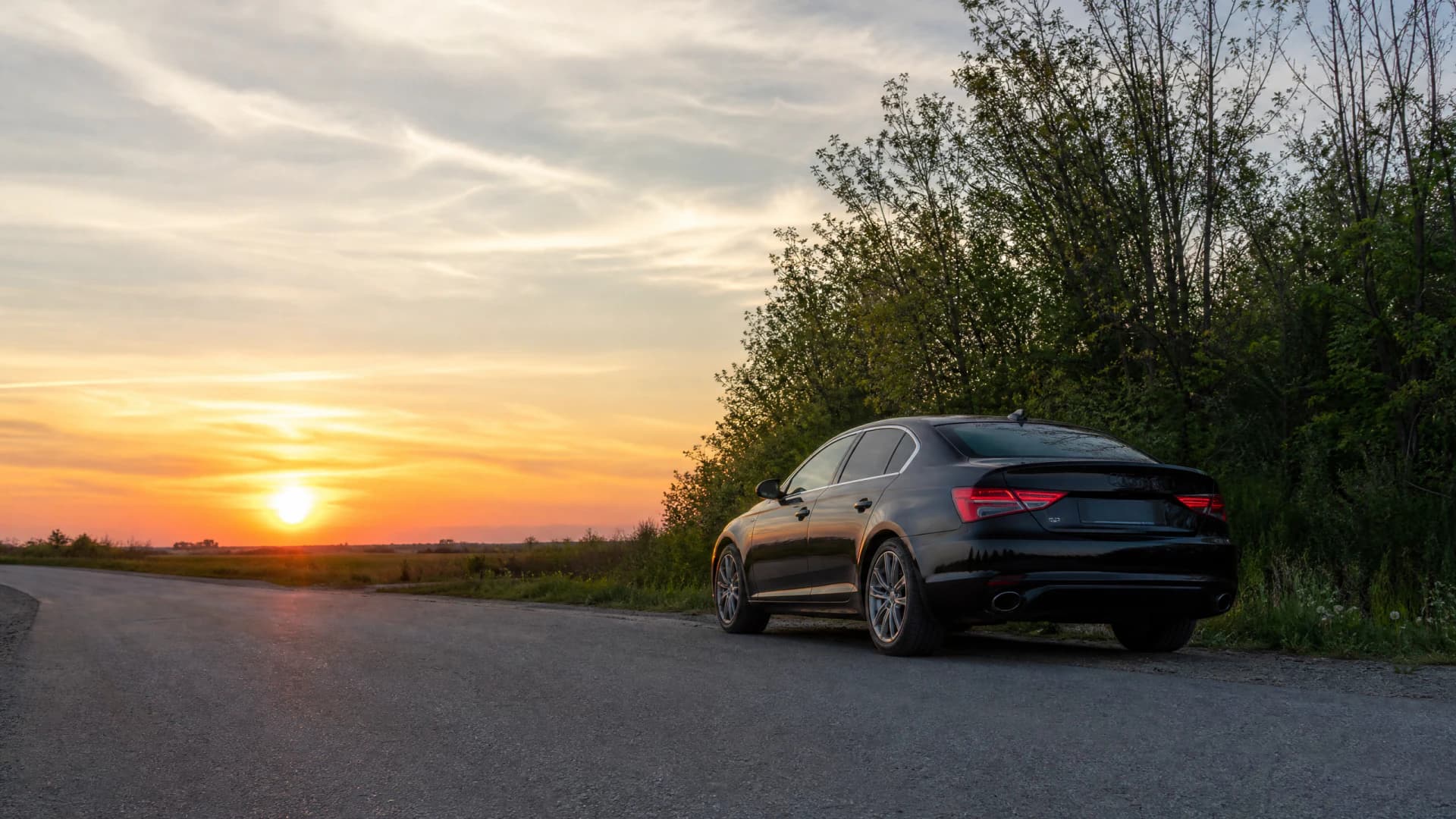
The multi-car discount requires every vehicle on one policy. A car on a separate policy does not count, even if it's garaged at your address.




When Combining Policies Costs More Instead of Less
Combining two policies does not always lower the total premium. If one driver has a clean record and the other has recent violations, the combined policy may cost more than the two separate policies did. Carriers price multi-car policies based on the household's total risk, and a high-risk driver on the policy raises the rate for every vehicle.
A second scenario where combining costs more: when one policy carries full coverage and the other carries minimum liability only. Combining forces you to choose one coverage level for the entire policy, or to structure coverage vehicle-by-vehicle. If you move the minimum-liability vehicle onto the full-coverage policy and keep it at minimum liability, the multi-car discount may not offset the administrative complexity carriers price into mixed-coverage policies.
The third scenario: when one driver qualifies for a preferred-tier carrier and the other does not. Preferred-tier carriers often decline to write multi-car policies when one driver falls outside their underwriting guidelines. That forces the household onto a standard- or non-standard-tier carrier, where the combined rate may exceed what the two separate policies cost at their respective tiers.
14.5%
Texas Uninsured Motorist Rate
Nearly one in seven Texas drivers operates without insurance. Uninsured motorist coverage protects your household when an at-fault driver cannot pay, and it applies to every vehicle on your policy.
Insurance Information Institute, 2023

How Coverage Decisions Change With Multiple Vehicles
Full coverage on every vehicle makes sense when every car is financed or worth enough that losing it would strain your household budget. Collision and comprehensive coverage pay to repair or replace your vehicle after an accident or theft, minus your deductible.
Minimum liability only makes sense on older vehicles worth less than a few thousand dollars. If the vehicle is paid off and you could replace it out-of-pocket, dropping collision and comprehensive removes coverage you may not need. But minimum liability still requires the state's $30,000/$60,000/$25,000 limits on every vehicle, and it leaves you without protection if your own car is damaged.
Uninsured motorist coverage is optional in Texas, but it protects every vehicle and every driver on your policy when an at-fault driver has no insurance. With 14.5% of Texas drivers uninsured, adding uninsured motorist coverage costs less than raising your liability limits and covers a gap minimum liability does not address.
Which Texas Carriers Write Multi-Car Policies
State Farm, GEICO, Progressive, Allstate, USAA, Farmers, and Nationwide all write multi-car policies in Texas and offer multi-car discounts. The discount structure and the per-vehicle rate vary by carrier. Some carriers price the discount as a percentage off each vehicle; others reduce the base rate when you add a second car. Comparing quotes from multiple carriers is the only way to confirm which structure saves your household the most.
If your household includes a high-risk driver or a vehicle that standard-tier carriers decline to write, non-standard carriers like Acceptance Insurance, Dairyland, Bristol West, GAINSCO, and Direct Auto write multi-car policies for households standard carriers will not accept. Non-standard carriers typically charge higher base rates but still offer multi-car discounts, and they may be the only option when one driver has recent violations.

Compare Carriers That Write Your Household's Vehicles
The multi-car discount only saves money when every vehicle sits on one policy, and the policy sits with a carrier that writes your household's risk profile at a competitive rate. Comparing quotes from carriers licensed in Texas confirms which structure fits your household: one shared policy with the multi-car discount, or separate policies when combining costs more. Start with carriers that write multi-car policies in Texas and request quotes that reflect every vehicle, every driver, and the coverage level each car needs.
What You Need to Combine Policies or Add a Vehicle
You'll need the vehicle identification number (VIN), current odometer reading, and proof of ownership (title or registration) for each vehicle. The carrier will ask where each car is garaged overnight, because garaging location affects your rate. If you're combining policies after marriage or a household move, you'll also need to confirm which drivers are assigned to which vehicles. Most carriers allow you to add a vehicle or combine policies online, but some require a phone call or agent visit when the household structure changes.
Adding a vehicle mid-term triggers immediate re-rating. The new premium takes effect the day the vehicle is added, and the carrier will prorate the additional cost into your current term. If you're combining two separate policies, the carrier will cancel one policy and move all vehicles onto the other, or cancel both and issue a new combined policy. The timing matters: if either policy is close to renewal, waiting until renewal to combine can avoid mid-term cancellation fees.
Get Your Free Quote
Get My Texas Car Insurance QuoteFrequently Asked Questions
Does Texas require insurance on every vehicle I own?
Yes. Texas requires minimum liability coverage on every vehicle you register: $30,000 bodily injury per person, $60,000 bodily injury per accident, and $25,000 property damage. If you own multiple vehicles, each one must meet these minimums, whether they sit on one policy or separate policies.
Can I insure two cars on one policy in Texas?
Yes. Most Texas carriers allow you to insure two or more vehicles on one policy and offer a multi-car discount when you do. The discount lowers the per-vehicle cost, but it only applies when every vehicle sits on the same policy.
Does combining two policies always save money?
No. Combining two policies usually lowers the total premium, but not always. If one driver has recent violations or if one policy is preferred-tier and the other is not, the combined policy may cost more than the two separate policies did.
What happens if I add a car mid-term?
The carrier re-rates your entire policy the day you add the vehicle. The new premium reflects the additional car and any multi-car discount you qualify for. The carrier prorates the additional cost into your current term.
Do I need full coverage on every car?
No. Full coverage makes sense on financed vehicles or cars worth enough that losing them would strain your budget. Older paid-off vehicles may only need minimum liability, but every vehicle must still meet Texas's $30,000/$60,000/$25,000 liability minimums.
Which Texas carriers offer multi-car discounts?
State Farm, GEICO, Progressive, Allstate, USAA, Farmers, and Nationwide all write multi-car policies in Texas and offer multi-car discounts. Non-standard carriers like Acceptance Insurance, Dairyland, and GAINSCO also write multi-car policies for households standard carriers decline.
Does uninsured motorist coverage apply to all my vehicles?
Yes. Uninsured motorist coverage protects every vehicle and every driver on your policy when an at-fault driver has no insurance. With 14.5% of Texas drivers uninsured, adding this coverage protects your household without raising liability limits on each vehicle.