
Uninsured Motorist Coverage — Texas
Free to compare
Texas Does Not Mandate Uninsured Motorist Coverage
Texas law does not require you to carry uninsured motorist coverage on any vehicle. The state mandates only liability insurance: $30,000 per person for bodily injury, $60,000 per accident for bodily injury, and $25,000 for property damage. Uninsured motorist coverage is optional.
Every carrier licensed in Texas must offer uninsured motorist coverage when you buy a policy and at every renewal. You can accept it or reject it. If you reject it, the carrier documents your rejection in writing. Most multi-car households encounter this offer-and-rejection structure without realizing it applies separately to each vehicle on the policy.
“14.5% of Texas drivers carry no insurance — roughly 1 in 7 vehicles on the road.”
See What Texas Drivers Pay for the Coverage They Need
Get My Texas Car Insurance Quote14.5%
Texas Uninsured Motorist Rate
14.5% of Texas drivers carry no insurance. That's roughly 1 in 7 vehicles on the road. When an uninsured driver hits you, your own uninsured motorist coverage pays your medical bills and vehicle damage if you carry it.
Insurance Information Institute, 2023
How the Offer and Rejection Process Works
Texas Insurance Code Section 1952.101 requires every carrier to offer uninsured motorist coverage in amounts equal to your liability limits. If your liability coverage is $30,000/$60,000/$25,000, the carrier must offer uninsured motorist coverage at the same limits. You can accept higher limits, accept the offered limits, or reject the coverage entirely.
When you reject uninsured motorist coverage, the carrier provides a rejection form. You sign it. The signed rejection stays on file with the carrier. The rejection applies to the specific policy term. At renewal, the carrier must offer the coverage again. You can change your decision at any renewal or mid-term if you add a vehicle.
If you insure multiple vehicles on one policy, the uninsured motorist coverage applies to every vehicle on that policy. You do not reject or accept separately per vehicle. One rejection covers the entire policy. One acceptance covers every car.
The rejection is not permanent. You can add uninsured motorist coverage at any renewal or when you add a vehicle mid-term.
How Multi-Car Households Structure This Decision
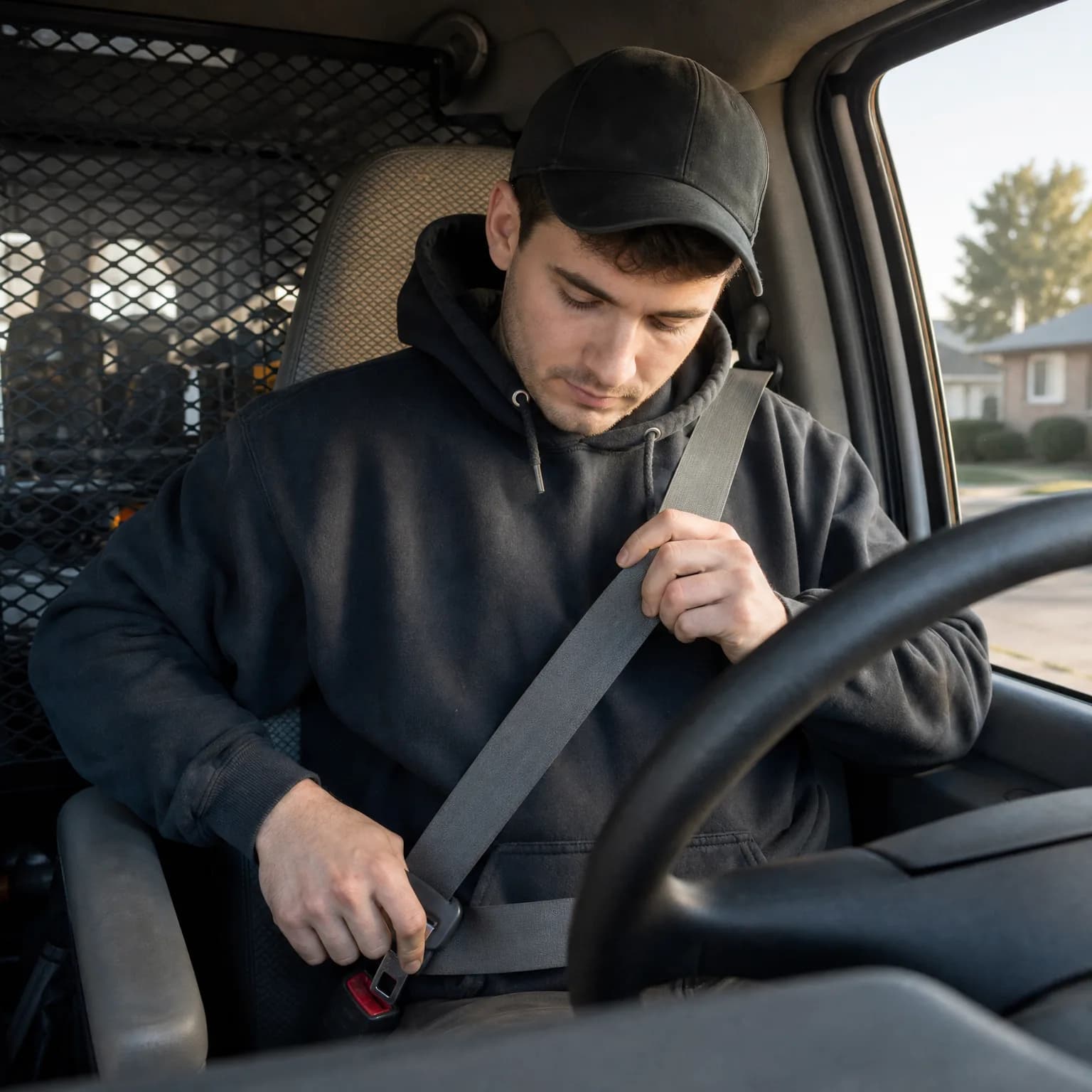
Households insuring two or more vehicles face the uninsured motorist offer once per policy, not once per vehicle. If you accept uninsured motorist coverage, every vehicle on the policy is covered. If you reject it, no vehicle on the policy is covered. You cannot accept for one car and reject for another on the same policy.
When you add a vehicle mid-term, the carrier must offer uninsured motorist coverage again. You can accept it at that point even if you rejected it when you bought the original policy. The new acceptance applies to every vehicle on the policy going forward, not just the newly added car.
If household members maintain separate policies, each policy receives its own uninsured motorist offer. One driver can accept and another can reject. When you combine two policies after marriage or a household change, the carrier treats the combined policy as a new policy and must offer uninsured motorist coverage again.
18,738,980
Texas Licensed Drivers
Texas has 18,738,980 licensed drivers and 23,291,638 registered vehicles. With 14.5% of drivers uninsured, that's roughly 2.7 million uninsured drivers on Texas roads. The probability of encountering one in a crash is not trivial.
Federal Highway Administration, 2022
When Declining Makes Sense and When It Does Not
Declining uninsured motorist coverage makes sense when you carry health insurance that covers crash injuries with low out-of-pocket maximums, and when you carry collision coverage that repairs your vehicle regardless of fault. In that scenario, uninsured motorist coverage duplicates benefits you already have. The premium savings from rejecting it can be redirected to higher liability limits or lower deductibles.
Declining uninsured motorist coverage is riskier when you carry liability-only coverage on any vehicle in the household. Without collision, you have no way to repair that vehicle after a crash with an uninsured driver unless you sue the driver personally. Uninsured drivers rarely have assets worth pursuing in court. Uninsured motorist property damage coverage becomes your only realistic recovery path.
Compare Carriers That Write Multi-Vehicle Policies in Texas
Uninsured motorist coverage pricing varies by carrier. Some carriers price it as a small percentage of your liability premium; others charge a flat per-vehicle amount. When you insure multiple vehicles, the total uninsured motorist premium across all cars can differ significantly between carriers even when liability premiums are similar. Compare quotes with and without uninsured motorist coverage to see the actual cost difference for your household's vehicles. Use the site's comparison tool to request quotes from carriers writing multi-car policies in Texas, and review the uninsured motorist offer carefully at each quote.
What Uninsured Motorist Coverage Pays For
Uninsured motorist bodily injury coverage pays your medical bills, lost wages, and pain-and-suffering damages when an uninsured driver injures you or your passengers. It also covers you if a hit-and-run driver causes the crash and cannot be identified. The coverage steps in when the at-fault driver has no insurance or insufficient insurance to cover your injuries. Underinsured motorist coverage, a related product, pays when the at-fault driver carries liability limits lower than your damages.
Uninsured motorist property damage coverage pays to repair or replace your vehicle when an uninsured driver damages it. This coverage overlaps with collision coverage if you carry it. Collision pays regardless of fault; uninsured motorist property damage pays only when the at-fault driver is uninsured. If you carry collision, uninsured motorist property damage adds little value. If you carry liability only, uninsured motorist property damage becomes the only way to recover vehicle repair costs from an uninsured at-fault driver without suing.
Get Your Free Quote
Get My Texas Car Insurance QuoteFrequently Asked Questions
Can I add uninsured motorist coverage after I buy the policy?
Yes. You can add uninsured motorist coverage at any renewal or mid-term when you add a vehicle. The carrier must offer it again at each renewal even if you rejected it previously. Contact your carrier to add it mid-term outside a vehicle addition.
Does uninsured motorist coverage apply to all vehicles on my policy?
Yes. Uninsured motorist coverage applies to every vehicle on the policy. You cannot accept it for one car and reject it for another. One acceptance or rejection covers the entire multi-car policy.
What happens if I reject uninsured motorist coverage and then get hit by an uninsured driver?
You pay your own medical bills and vehicle repairs out of pocket, or through your health insurance and collision coverage if you carry them. You can sue the uninsured driver personally, but uninsured drivers rarely have assets to collect against.
Is underinsured motorist coverage the same as uninsured motorist coverage?
No. Uninsured motorist coverage pays when the at-fault driver has no insurance. Underinsured motorist coverage pays when the at-fault driver carries liability limits lower than your damages. Texas carriers must offer both, and you can accept one without the other.
Do I need uninsured motorist property damage coverage if I already have collision coverage?
Probably not. Collision coverage pays to repair your vehicle regardless of fault. Uninsured motorist property damage pays only when the at-fault driver is uninsured. If you carry collision, the uninsured motorist property damage coverage duplicates a benefit you already have.
How much does uninsured motorist coverage cost in Texas?
Cost varies by carrier, vehicle, and coverage limits. Some carriers price it as a percentage of your liability premium; others charge a flat per-vehicle amount. Request quotes with and without uninsured motorist coverage to see the actual cost difference for your household's vehicles.