
Uninsured Motorist Coverage — Texas
Free to compare
When One Uninsured Driver Hits Multiple Household Vehicles
You insure two or three cars on one Texas policy. An uninsured driver runs a red light and hits your parked SUV, then ricochets into your sedan. Both vehicles need repair. Your liability coverage pays nothing — it protects others when you cause a crash, not your own cars. Collision coverage on each vehicle pays its own damage minus the deductible, but only if you carry collision. If either car has liability-only coverage, that vehicle's damage is your out-of-pocket cost unless the at-fault driver pays, and 14.5 percent of Texas drivers carry no insurance at all.
Uninsured motorist coverage exists to close that gap. Texas does not require it, but every carrier must offer it when you buy a policy. If you reject it, you sign a written rejection form. That rejection applies to every vehicle on the policy, and it means you absorb the financial loss when an uninsured driver damages any car your household owns.
“A written rejection of uninsured motorist coverage applies to every vehicle on your Texas policy — you cannot reject UM on one car and keep it on another.”

See What Texas Drivers Pay for the Coverage They Need
Get My Texas Car Insurance Quote14.5%
Texas Uninsured Motorist Rate
Nearly one in seven Texas drivers carries no liability insurance. When an uninsured driver causes a crash involving multiple household vehicles, uninsured motorist coverage is the only protection that pays without requiring collision coverage on every car.
Insurance Information Institute, 2023
What Uninsured Motorist Coverage Actually Pays
Uninsured motorist coverage has two components: uninsured motorist bodily injury (UMBI) and uninsured motorist property damage (UMPD). UMBI pays medical bills, lost wages, and pain-and-suffering damages when an uninsured driver injures you or your passengers. UMPD pays vehicle repair costs when an uninsured driver damages your car. Both coverages apply per accident, not per vehicle, so a single crash involving two of your household's cars draws from one shared limit.
Texas law requires carriers to offer UMBI at limits equal to your liability limits. If you carry the state minimum $30,000 per person and $60,000 per accident for bodily injury liability, your carrier must offer UMBI at the same $30,000/$60,000 limits. You can buy higher UMBI limits, but you cannot buy lower. UMPD is optional and separate; carriers typically offer it with a deductible and a per-accident limit.
Underinsured motorist coverage (UIM) is a related product. UIM pays when the at-fault driver carries liability insurance, but their limits are too low to cover your damages. Texas does not require UIM, but carriers often bundle it with UMBI as a single UM/UIM coverage. When you reject uninsured motorist coverage in Texas, you typically reject both components at once.
A written rejection of uninsured motorist coverage applies to every vehicle on your Texas policy. You cannot reject UM on one car and keep it on another.



The Written Rejection Requirement and What It Means
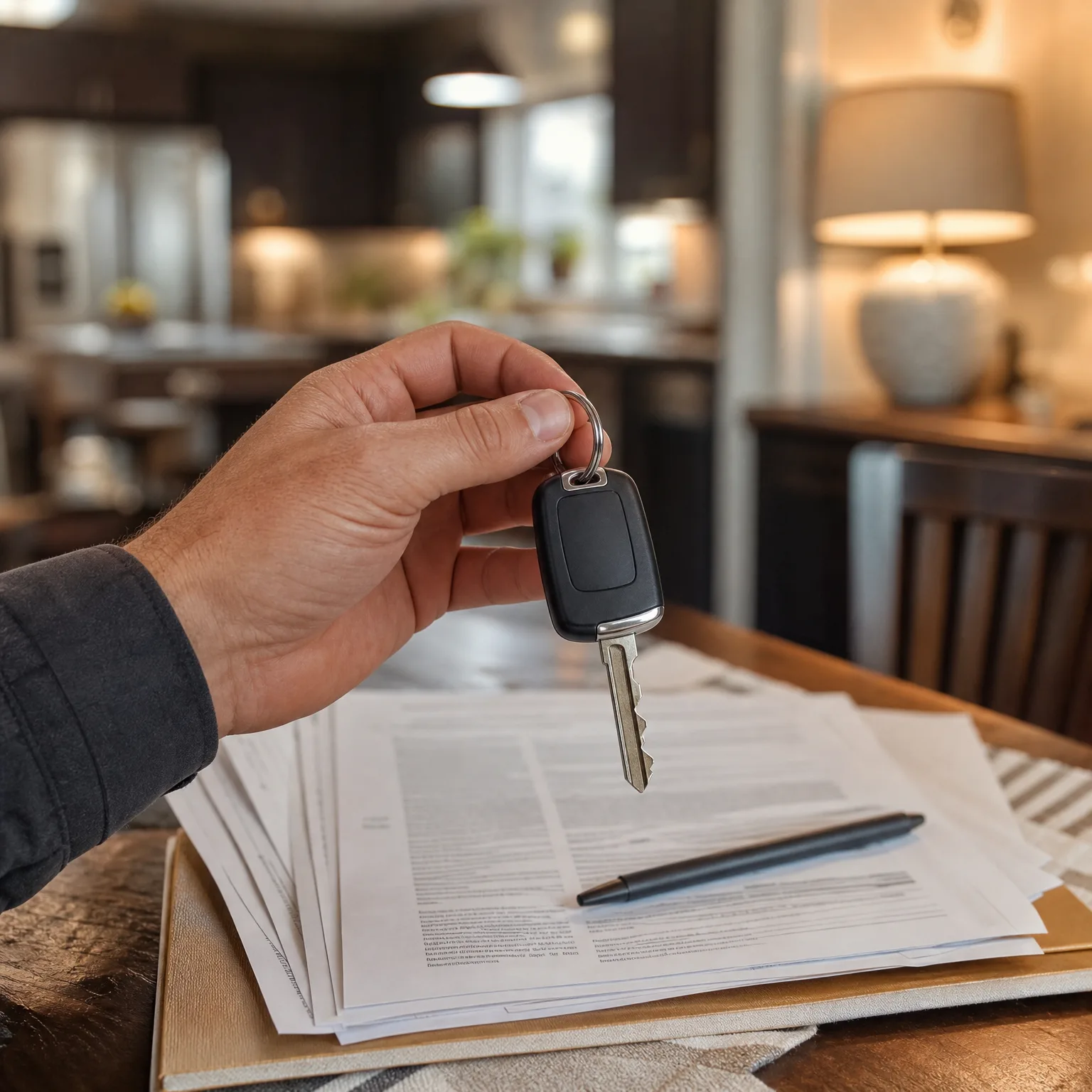
Texas law prohibits a carrier from selling you a policy without uninsured motorist coverage unless you reject it in writing. The rejection form is a standalone document you sign when you buy or renew the policy. It states that you understand the coverage was offered, you declined it, and you accept financial responsibility for damages an uninsured driver causes. Once signed, the rejection applies to the entire policy term and to every vehicle listed on the policy.
If you add a third or fourth car mid-term, the rejection you signed at policy inception still governs. The new vehicle is covered by the same policy terms, including the absence of UM coverage. You do not sign a new rejection form for each added car. If you want to add UM coverage after rejecting it, you must contact your carrier and request it in writing. Most carriers allow you to add UM coverage at renewal or mid-term, but the change applies to the whole policy, not to individual vehicles.
Some households reject UM coverage to lower the premium, then later realize the gap when a claim arises. A driver with liability-only coverage on an older car and full coverage on a newer car might assume collision coverage on the newer car is enough. Collision pays for damage you cause or damage from a crash regardless of fault, but it does not pay for injuries. If an uninsured driver injures you or your passenger, and you rejected UMBI, your only recovery is a lawsuit against a driver who carries no insurance and likely no assets. The written rejection is not a formality — it is a binding waiver of a legal right to collect from your own carrier.
$30,000 / $60,000
Texas Minimum Liability Limits
Texas requires $30,000 per person and $60,000 per accident in bodily injury liability, and $25,000 in property damage liability. Carriers must offer uninsured motorist bodily injury coverage at limits equal to your liability limits, but you can reject it in writing.
Texas Department of Public Safety
Collision Coverage Does Not Replace UM Property Damage
Collision coverage and UMPD both pay for vehicle damage, but they are not interchangeable. Collision pays for damage to your car regardless of who caused the crash — you hit a tree, another driver hits you, or your car rolls during a storm. UMPD pays only when an uninsured driver damages your car, but it typically has no deductible or a lower deductible than collision.
A household insuring three vehicles often carries full coverage on the newest car, liability plus collision on the second car, and liability-only on the oldest car. If an uninsured driver totals the oldest car, collision coverage does not apply because that car does not have it. UMPD would pay the actual cash value of the car minus the UMPD deductible, but only if the policy includes UMPD. Without UMPD, the loss is unrecoverable unless you sue the uninsured driver and collect a judgment, which is unlikely.
Some carriers in Texas offer UMPD with no deductible. Others require a deductible equal to your collision deductible. A few carriers do not offer UMPD at all and instead rely on collision coverage to handle uninsured-driver property damage. When comparing carriers for a multi-car household, ask whether UMPD is available, what the deductible is, and whether the per-accident limit is high enough to cover multiple vehicles in one crash.
Compare Carriers That Write Multi-Vehicle UM Coverage in Texas
Not every carrier structures uninsured motorist coverage the same way. Some bundle UMBI and UIM as a single coverage with one limit. Others sell them separately. A household insuring multiple cars benefits from comparing how each carrier prices UM coverage and whether the per-accident limits are adequate for a crash involving more than one vehicle. Eighteen carriers write auto insurance in Texas with online quoting, and most offer UM coverage as an optional add-on you can accept or reject when you build the quote. The carrier with the lowest base premium does not always offer the best value once UM coverage is added, and the carrier with the highest UM premium may offer better claims handling or higher per-accident limits that justify the cost.
How UM Coverage Works Across Multiple Vehicles
A single accident can damage more than one of your vehicles. An uninsured driver sideswipes your truck in traffic, loses control, and hits your parked car two blocks away. Both vehicles are damaged in one continuous event. Your UMPD limit applies once to the total property damage from that accident, not separately to each car.
UMBI works the same way. If the uninsured driver injures you and a passenger riding in one of your household's cars, your UMBI per-person and per-accident limits apply to all injuries from that one crash.
Get Your Free Quote
Get My Texas Car Insurance QuoteFrequently Asked Questions
Is uninsured motorist coverage required in Texas?
No. Texas does not require uninsured motorist coverage, but every carrier must offer it when you buy a policy. If you reject it, you must sign a written rejection form. That rejection applies to every vehicle on your policy.
Does uninsured motorist coverage apply to all cars on my Texas policy?
Yes. Uninsured motorist coverage applies per accident, not per vehicle. If an uninsured driver damages two of your household's cars in one crash, your UMPD limit applies once to the total property damage, and your UMBI limit applies once to all injuries from that accident.
Can I reject uninsured motorist coverage on one car and keep it on another?
No. A written rejection of uninsured motorist coverage applies to the entire policy and every vehicle listed on it. You cannot reject UM on one car and keep it on another. If you want UM coverage, it must cover all vehicles on the policy.
What is the difference between UMBI and UMPD in Texas?
UMBI pays medical bills, lost wages, and pain-and-suffering damages when an uninsured driver injures you or your passengers. UMPD pays vehicle repair costs when an uninsured driver damages your car. Both are optional in Texas, and both apply per accident, not per vehicle.
Does collision coverage replace uninsured motorist property damage coverage?
No. Collision pays for damage to your car regardless of fault, but it requires you to carry collision coverage on that specific vehicle and pay your collision deductible. UMPD pays only when an uninsured driver damages your car, often with a lower deductible, and it covers vehicles on your policy even if they do not have collision coverage.
How much does uninsured motorist coverage cost for multiple cars in Texas?
Cost varies by carrier, your liability limits, and the UM limits you select.
Can I add uninsured motorist coverage after I reject it?
Yes. You can add UM coverage at renewal or mid-term by contacting your carrier and requesting it in writing. The change applies to the entire policy and every vehicle on it, not to individual cars.