
Property Damage Liability Coverage — Texas
Free to compare
Texas Requires Property Damage Liability Coverage
Texas requires property damage liability coverage to register a vehicle and drive legally. The state minimum is $25,000 per accident. This coverage pays for damage your vehicle causes to another person's property in a crash you cause.
The $25,000 limit applies per accident, not per vehicle. If you insure three cars on one policy, each vehicle is covered by the same $25,000 property damage limit. Adding vehicles to your policy does not multiply the limit unless you purchase higher coverage.
“The $25,000 property damage limit applies per accident, not per vehicle, regardless of how many cars sit on your policy.”
See What Texas Drivers Pay for the Coverage They Need
Get My Texas Car Insurance Quote$25,000
Texas Property Damage Minimum
This is the per-accident limit required by Texas law. The limit applies regardless of how many vehicles you own or insure on the same policy.
Texas Department of Public Safety
How the Per-Accident Limit Works Across Multiple Vehicles
The $25,000 property damage limit is a per-accident maximum, not a per-vehicle maximum. If you cause a crash while driving any vehicle on your policy, your insurer pays up to $25,000 for property damage in that single accident. The limit does not increase because you insure multiple cars.
This structure confuses households adding a second or third vehicle. Many assume each car carries its own $25,000 limit. That is not how liability coverage works. The policy limit applies to the accident, and only one vehicle can be involved in a given accident you cause.
If you want higher protection, you purchase a higher property damage limit. The higher limit applies to any vehicle on the policy, and costs less per vehicle when spread across multiple cars.
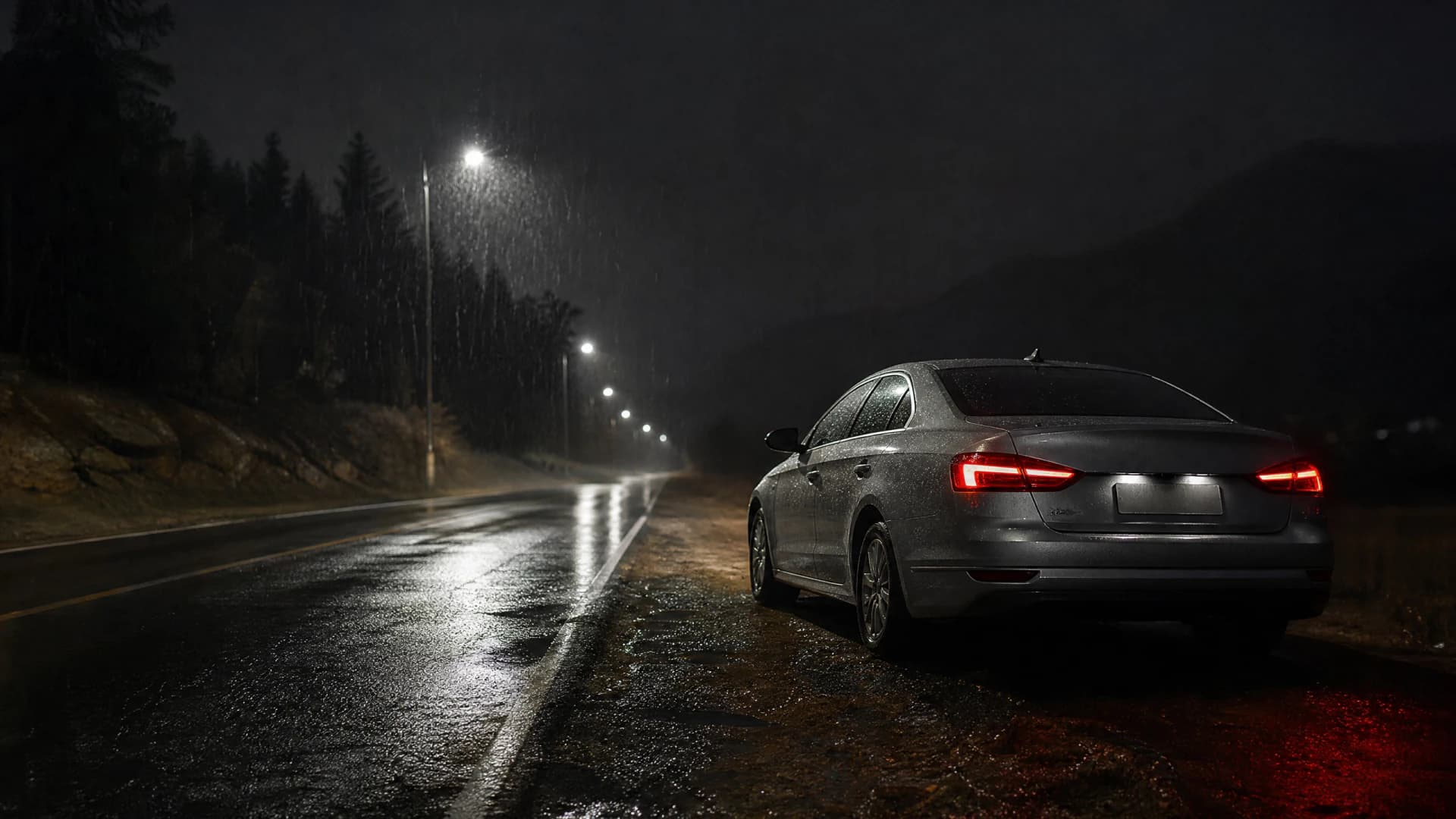
The $25,000 property damage minimum applies per accident, not per vehicle. Adding cars to your policy does not increase the limit.
Related Articles
Proof of Insurance and Registration Requirements
Texas requires proof of liability insurance to register a vehicle. The county tax office verifies coverage before issuing registration. You provide your insurer's name, policy number, and the vehicle identification number. The state checks this information electronically through the TexasSure database.
You must carry proof of insurance while driving. Acceptable proof includes a paper insurance card, a digital card on your phone, or a copy of your policy declarations page. If stopped by law enforcement and you cannot show proof, you face a fine and potential license suspension even if you have active coverage.
When you add a vehicle to an existing policy, your insurer updates the TexasSure database automatically. You do not file separate proof for each car. The policy covers every vehicle listed, and the state verifies coverage for all of them through the same electronic system.
14.5%
Texas Uninsured Motorist Rate
Nearly one in seven Texas drivers operates without insurance. This rate underscores why uninsured motorist coverage, though not required, is a common add-on for households with multiple vehicles.
Insurance Research Council, 2023
Consequences of Driving Without Property Damage Coverage
Driving without property damage liability coverage in Texas triggers penalties even if you are not in a crash. If the state identifies a lapse in coverage, the Texas Department of Public Safety suspends your vehicle registration and may suspend your driver license.
If you cause a crash while uninsured, you are personally liable for all property damage. The other driver can sue you for repair costs, and Texas courts can garnish wages or place liens on your property to satisfy the judgment. The state also suspends your license until you pay the judgment or post a bond covering the full amount.
Compare Carriers and Confirm Your Coverage
Texas law requires $25,000 property damage liability per accident. If you insure multiple vehicles, confirm that every car is listed on your policy and that your coverage meets the state minimum. Carriers writing in Texas include State Farm, Geico, Progressive, Allstate, USAA, Farmers, and others. Compare quotes to find the policy structure and limit that fit your household. Verify your coverage before registering any vehicle, and carry proof of insurance every time you drive.
What Property Damage Liability Covers
The most common claim is damage to another vehicle. If you rear-end another car, your property damage liability pays to repair or replace that vehicle up to your policy limit. The coverage also pays for damage to fences, mailboxes, buildings, and other structures you hit. If you strike a guardrail or a utility pole, property damage liability covers the repair or replacement cost the property owner bills your insurer.
Property damage liability does not cover your own vehicle. Damage to your car requires collision coverage, which is optional in Texas. The liability coverage also does not pay for damage to property inside another vehicle, such as a laptop or phone. Those items fall under the other driver's personal property coverage or homeowners insurance, not your auto liability.
Get Your Free Quote
Get My Texas Car Insurance QuoteFrequently Asked Questions
Does Texas require property damage liability insurance?
Yes. Texas requires $25,000 property damage liability coverage per accident to register a vehicle and drive legally. This coverage pays for damage your vehicle causes to another person's property when you are at fault.
Does the property damage limit increase when I add more vehicles?
No. The $25,000 property damage limit is a per-accident maximum, not a per-vehicle maximum. Adding vehicles to your policy does not increase the limit. You must purchase a higher limit if you want more protection.
What happens if I cause more than $25,000 in property damage?
You are personally liable for any amount above your policy limit. The other party can sue you for the difference, and Texas courts can garnish wages or place liens on your property to satisfy the judgment.
What proof of insurance does Texas accept?
Texas accepts a paper insurance card, a digital card on your phone, or a copy of your policy declarations page. You must carry proof while driving. Failure to show proof when stopped results in a fine and potential license suspension.
Can I register a vehicle in Texas without property damage coverage?
No. The county tax office verifies liability coverage electronically through the TexasSure database before issuing registration. You cannot complete registration without active property damage liability coverage meeting the state minimum.
Does property damage liability cover my own vehicle?
No. Property damage liability covers only damage your vehicle causes to someone else's property. Damage to your own car requires collision coverage, which is optional in Texas.