
Gap Insurance Requirements — Texas
Free to compare
Texas Does Not Mandate Gap Insurance
Texas law does not require gap insurance. The state mandates only liability coverage: $30,000 per person for bodily injury, $60,000 per accident for bodily injury, and $25,000 for property damage. Gap insurance is not part of that legal minimum, and you can register and legally drive a financed vehicle in Texas without it.
The confusion arises because your lender can require gap insurance as a condition of the loan. That requirement is contractual, not statutory. The lender is protecting its interest in the collateral — the vehicle you financed — and gap insurance ensures the loan is paid off if the car is totaled before you've built enough equity to cover the balance. When a lender requires gap coverage, you must carry it to avoid breaching the loan agreement, but the requirement comes from the finance contract, not the Texas Department of Public Safety.
“Texas law does not mandate gap insurance, but your lender can require it as a loan condition.”

See What Texas Drivers Pay for the Coverage They Need
Get My Texas Car Insurance Quote$30,000 / $60,000 / $25,000
Texas Minimum Liability Limits
Texas requires $30,000 per person for bodily injury, $60,000 per accident for bodily injury, and $25,000 for property damage. Gap insurance is not part of this legal minimum and is never mandated by state law.
Texas Department of Public Safety
When Your Lender Can Require Gap Coverage
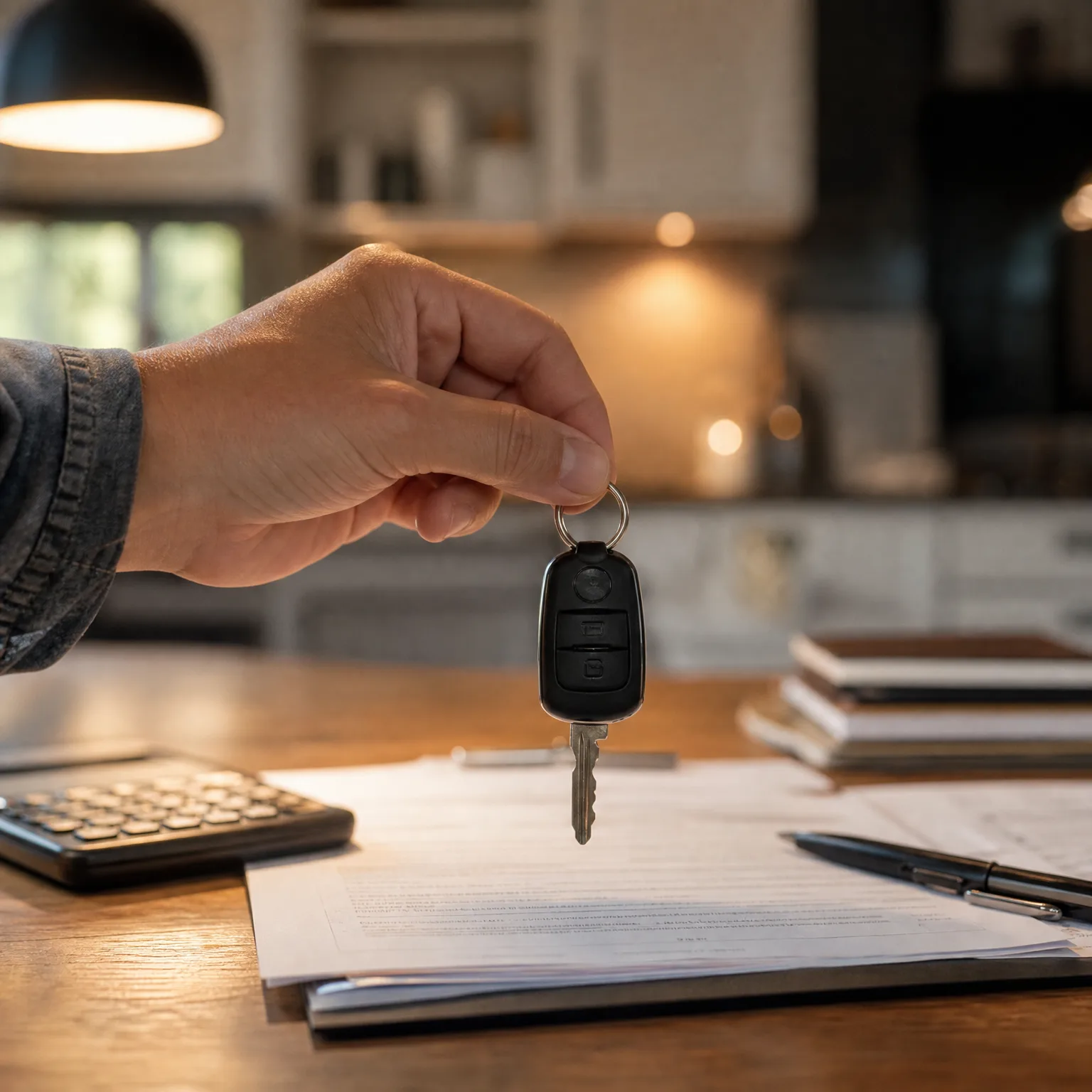
Your finance contract governs whether you must carry gap insurance. The lender's requirement appears in the loan agreement, typically in the insurance section that lists required coverages.
If the contract requires gap coverage and you do not maintain it, the lender can force-place a policy and add the premium to your loan balance. Force-placed gap insurance costs significantly more than coverage you purchase yourself, and the lender is not required to shop for competitive rates. Reviewing the insurance section of your loan agreement before you leave the dealership tells you whether gap coverage is required or optional.
Leases almost always require gap coverage, either as a standalone policy or built into the lease agreement as a waiver. The lease contract specifies which structure applies. If gap is required and not built in, you must purchase it separately and maintain proof throughout the lease term.

Your lender can require gap insurance as a loan condition, but Texas law does not mandate it. The requirement is contractual, not statutory.




When Gap Coverage Makes Sense Without a Lender Requirement
New cars lose approximately 20 percent of their value in the first year, and if your loan balance is not declining faster than the car's value, you are upside down — owing more than the car is worth.
Purchasing gap insurance through your auto carrier rather than the dealership gives you the same coverage at a lower cost and allows you to cancel it once your loan balance drops below the vehicle's value.
If you made a down payment of 20 percent or more, chose a loan term of 48 months or less, or are financing a used vehicle that has already absorbed most of its depreciation, you are less likely to be upside down and gap coverage may not be necessary. The decision hinges on the relationship between your loan balance and the vehicle's current value, not on the lender's requirement.
23,291,638
Registered Vehicles in Texas
Texas has 23,291,638 registered motor vehicles, and a significant portion are financed. Gap insurance applies only to financed or leased vehicles where the loan balance exceeds the vehicle's value.
Texas Department of Motor Vehicles, 2022

Where to Buy Gap Insurance in Texas
You can purchase gap insurance from your auto insurance carrier, from the dealership at the time of purchase, or from a standalone gap insurance provider. Buying through your auto carrier is almost always the least expensive option and allows you to cancel the coverage once you are no longer upside down on the loan. Dealership gap products are sold as a single upfront premium added to your loan balance, and most do not prorate refunds if you pay off the loan early or sell the vehicle.
Not every carrier in Texas offers gap coverage. Major carriers writing in Texas that offer gap insurance include State Farm, Progressive, Nationwide, and Travelers. If your current carrier does not offer gap coverage, you can purchase it from a different carrier without switching your primary auto policy, though bundling both with the same carrier is typically simpler and may qualify for a multi-policy discount.
Compare Carriers That Offer Gap Coverage
If your lender requires gap insurance or you decide it makes sense for your situation, the next step is comparing carriers that write gap coverage in Texas and offer rates that fit your household. Carriers price gap insurance differently, and the cost varies based on the vehicle's value, the loan amount, and the term. Comparing quotes from multiple carriers ensures you are not overpaying for coverage that activates only once, at total loss, and may never be used if you pay down the loan faster than the car depreciates.
How Gap Insurance Works in Texas
When your car is totaled, your collision or comprehensive coverage pays the actual cash value — what the vehicle was worth at the time of the loss, minus depreciation. If you owe more than that amount, gap insurance covers the shortfall.
Gap coverage does not reduce your deductible, cover missed loan payments, or pay for repairs to a damaged but not totaled vehicle. It is a single-event product that pays once, at total loss, and then terminates. Most gap policies also cap the payout at a percentage of the vehicle's value, typically 25 percent, so if you owe significantly more than the car is worth, gap may not cover the entire shortfall.
Get Your Free Quote
Get My Texas Car Insurance QuoteFrequently Asked Questions
Is gap insurance required by law in Texas?
No. Texas law does not require gap insurance. The state mandates only liability coverage: $30,000 per person for bodily injury, $60,000 per accident, and $25,000 for property damage. Gap insurance is optional unless your lender requires it as a condition of your loan.
Can my lender require gap insurance in Texas?
Yes. Your lender can require gap insurance as a condition of the loan, and that requirement appears in your finance contract. If the contract requires gap coverage and you do not maintain it, the lender can force-place a policy and add the premium to your loan balance.
How much does gap insurance cost in Texas?
What does gap insurance cover in Texas?
Gap insurance covers the difference between your vehicle's actual cash value at the time of total loss and the amount you still owe on the loan. It does not cover your deductible, missed payments, or repairs to a damaged but not totaled vehicle.
When can I cancel gap insurance in Texas?
You can cancel gap insurance once your loan balance drops below your vehicle's current value, meaning you are no longer upside down. Most carriers allow you to cancel at any time, and you may receive a prorated refund for the unused portion of the policy term.
Do I need gap insurance if I lease a car in Texas?
Most lease agreements in Texas require gap coverage, either as a standalone policy you purchase or as a waiver built into the lease contract. Review your lease agreement to determine which structure applies and whether you need to purchase gap insurance separately.