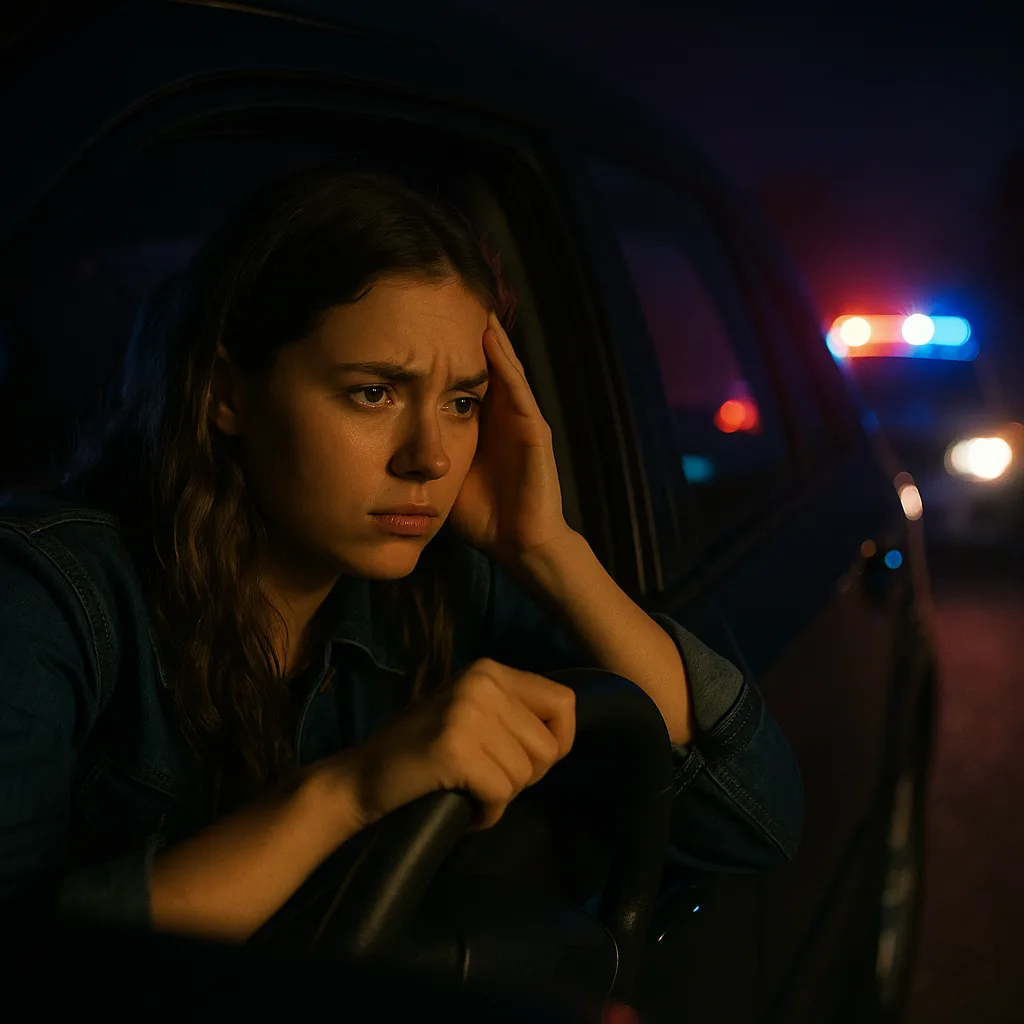
Why Texas High-Risk Rates Jump After a Violation
Your violation didn't change what Texas requires you to carry. The state still mandates $30,000 bodily injury per person, $60,000 per accident, and $25,000 property damage. What changed is which carriers will write your policy. Most preferred-tier carriers — the ones advertising the lowest rates to clean-record drivers — exit immediately after a DUI, at-fault crash with injury, or license suspension. You're not shopping for different coverage; you're shopping in a different market.
Texas has 25 carriers writing auto insurance statewide, but only five of them specialize in high-risk policies: Acceptance, Bristol West, Dairyland, GAINSCO, and The General. These non-standard carriers price risk differently. One carrier's underwriting model may treat a DUI as a higher penalty than an at-fault crash; another does the opposite.
Compare car insurance rates in your state
Get quotes from licensed carriers — no obligation, no spam, results in minutes.
Get Your Free QuoteTexas Average Auto Premium
$119/mo
This is the statewide average for all drivers, including those with clean records.
NAIC Auto Insurance Database Report 2023
What Puts You in the High-Risk Category
Texas labels you high-risk based on violations, claims history, and license status. A DUI or DWI conviction is the most common trigger. An at-fault crash that caused injury or significant property damage puts you in the same tier. Driving while your license was suspended, invalid, or revoked — even if you didn't know it at the time — counts. Two or more at-fault crashes in three years, regardless of injury, will push most preferred carriers to non-renew your policy.
A lapse in coverage longer than 30 days also moves you into non-standard territory, especially if the lapse coincides with a violation. Texas tracks continuous coverage through its TexasSure database, and carriers pull that record when you apply. If you let your policy cancel for non-payment and then tried to reinstate after a ticket, you're now shopping as a high-risk driver with a coverage gap.
Some violations require an SR-22 filing on top of your policy. Texas mandates SR-22 for DWI, drug offenses, driving while license invalid, a second or subsequent no-insurance conviction, crash suspension, civil judgment, or crash security deposit. The SR-22 itself doesn't cost much — it's a form your carrier files electronically with the Texas Department of Public Safety — but it signals to every carrier that you're in the high-risk pool, and it must stay on file for two years from the violation date.
Most preferred carriers won't quote you at all once they see a DUI or SR-22 requirement. The non-standard market is not a backup option; it's the only option until your record clears.
Which Non-Standard Carriers Write High-Risk Policies in Texas

Acceptance Insurance writes SR-22, non-owner, and post-DUI policies across Texas. It operates in the non-standard tier and offers online quotes, though some violations require a phone call to finalize. Acceptance is often competitive for drivers with a single DUI and no other violations, but rates climb steeply if you add an at-fault crash or a coverage lapse to the mix. Bristol West also writes SR-22 and non-owner policies and requires a broker for most high-risk applications. Bristol West's Texas underwriter is Security National Insurance Co, and it tends to price younger high-risk drivers higher than older ones with the same violation. Dairyland writes SR-22, non-owner, and post-DUI policies with online quoting available. Dairyland's rate structure favors drivers who can pay in full or commit to automatic payments; month-to-month billing adds a surcharge that other carriers don't always impose.
GAINSCO specializes in high-risk and non-standard auto insurance and writes SR-22 policies throughout Texas. GAINSCO often quotes lower than competitors for drivers with multiple violations or a combination of DUI and at-fault crash, but its customer service reviews are mixed. The General writes SR-22, non-owner, and post-DUI policies and markets heavily to high-risk drivers. The General's rates are middle-of-the-pack for single violations but become more competitive when you add a second car to the policy, because its multi-vehicle discount applies even in the non-standard tier. If you're insuring two or more vehicles and one driver has a violation, The General is worth quoting alongside the other four.
Related Articles





How to Compare Rates When Carriers Won't Quote Online
Not every non-standard carrier offers instant online quotes for high-risk drivers. Bristol West requires a broker. GAINSCO and Acceptance often route DUI applicants to a phone queue after you start the online form. The General and Dairyland allow online quoting for most violations, but complex cases — multiple violations, SR-22 plus a coverage gap, or a suspended license still under reinstatement — still require a call.
When you call, have your driver's license number, the violation date, the court case number if applicable, and your SR-22 requirement status ready. Carriers pull your Texas driving record directly from DPS, but having the case number speeds up underwriting. If your license is currently suspended, know your reinstatement fee status and whether you've already paid it. Some carriers won't quote you until DPS shows your license as valid, even if you're applying for an SR-22 policy to meet reinstatement requirements.
Quote all five non-standard carriers within the same week. Rates can change month to month, and some carriers adjust their high-risk pricing mid-quarter based on claims data. A carrier that was cheapest in January may not be cheapest in April. If you're required to carry SR-22, confirm that the carrier files electronically with Texas DPS and ask how long the filing takes. Most carriers file within one business day, but a few still use paper forms that take up to five days, and that delay can extend your license suspension if you're on a reinstatement deadline.
Texas Uninsured Motorist Rate
14.5%
Nearly one in seven Texas drivers operates without insurance, which is why uninsured motorist coverage matters even more for high-risk drivers. If an uninsured driver hits you and you don't carry UM coverage, you're paying out of pocket for repairs and medical bills your liability policy won't cover.
Insurance Information Institute, 2023
Whether to Carry More Than State Minimums
Texas requires $30,000 bodily injury per person, $60,000 per accident, and $25,000 property damage. That's enough to register your car and avoid a ticket, but it's not enough to cover a serious crash. High-risk drivers are already one violation away from losing their license again; a second at-fault crash with insufficient coverage can trigger a civil judgment that suspends your license until you pay the debt.
Uninsured motorist coverage is not required in Texas, but 14.5% of drivers on Texas roads carry no insurance at all. If one of them hits you, your liability policy pays nothing for your own injuries or vehicle damage. UM coverage fills that gap. Collision and comprehensive coverage are optional, but if you financed your car, your lender requires them.
Compare Carriers That Write Your Household
The five non-standard carriers listed above all write high-risk policies in Texas, but not all of them will quote every driver. Your violation type, your age, your vehicle, and whether you need SR-22 filing all affect which carriers will write your policy and at what rate. Start with Texas car insurance requirements to confirm you're meeting the state's minimum liability limits, then request quotes from all five carriers within the same week. Rates change, and the cheapest carrier today may not be the cheapest at renewal.