
Cheapest Car Insurance for New Drivers — Texas
Free to compare
When Adding a New Driver Changes Your Premium Structure
Your teenager just passed the Texas driver license exam after completing 30 supervised hours and holding a learner permit for 6 months. You added them to your household policy, and the premium increased by an amount that makes you question whether you structured the coverage correctly. The confusion is structural: carriers price new-driver risk differently depending on whether the teen shares an existing vehicle or drives a car titled and insured as their own.
Texas requires every driver on your policy to meet $30,000 per person, $60,000 per accident bodily injury liability, and $25,000 property damage. When you add a newly-licensed driver, that requirement does not change—but the way carriers calculate the household premium does. A teen listed as an occasional driver on a shared vehicle produces a different rate structure than a teen listed as the primary operator of a dedicated car, even when both scenarios sit on the same multi-car policy.
“A teen listed as primary on their own car re-rates that vehicle at new-driver base, and the multi-car discount rarely closes the gap.”

See What Texas Drivers Pay for the Coverage They Need
Get My Texas Car Insurance Quote25 carriers
Texas Multi-Car Roster
Twenty-five carriers write multi-vehicle policies in Texas, and each prices new-driver risk using a different model. Some apply a flat surcharge per new driver regardless of vehicle assignment; others tier the increase based on whether the teen is primary or occasional on each car.
The Structural Reality: Shared Vehicle vs Dedicated Vehicle
Most households assume adding a new driver to an existing two-car or three-car policy simply adds a flat amount to the total premium. That assumption is wrong. Carriers re-rate the entire policy when a new driver is added, and the re-rating outcome depends on vehicle assignment. A teen listed as an occasional operator on a vehicle you already insure—sharing it with another household driver—produces a lower incremental cost than a teen listed as the primary operator of a vehicle added to the policy at the same time.
The mechanism: carriers assign each vehicle a primary operator, and that operator's risk profile anchors the base rate for that vehicle. When your newly-licensed 16-year-old is the primary operator of a car, that car's base rate reflects new-driver risk in full. When the same teen is listed as occasional on a vehicle whose primary operator is an experienced adult, the base rate reflects the adult's profile, and the teen's risk is layered on as a secondary adjustment—almost always smaller than the primary-operator surcharge.
This creates a counterintuitive outcome. A household with three vehicles might pay less by keeping the new driver as occasional on two shared cars than by buying a fourth vehicle and assigning the teen as its primary operator, even though the four-car policy qualifies for a larger multi-car discount. The discount applies to the policy total, but if one vehicle's base rate is anchored to new-driver risk, the total often exceeds the three-car scenario despite the larger discount percentage.
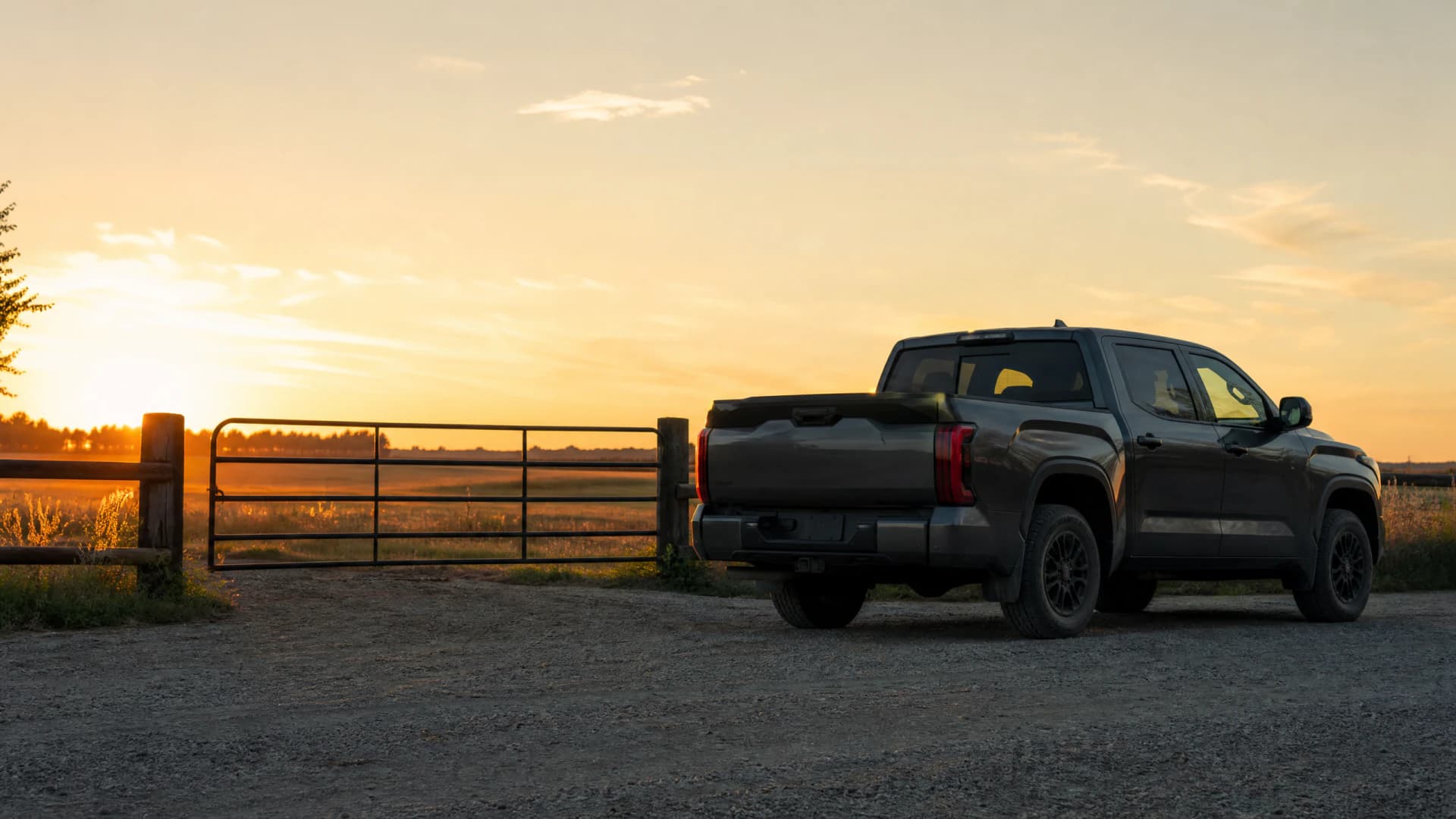
Assigning a new driver as primary operator on their own vehicle re-rates that car at the highest risk tier, and the multi-car discount rarely offsets the base-rate increase.







The Multi-Car Discount Does Not Always Offset New-Driver Cost
Texas carriers offering multi-car discounts require every vehicle to sit on the same policy and, in most cases, share the same garaging address. The discount applies as a percentage reduction to the total premium after all vehicles and drivers are rated. A three-car policy receives a larger discount than a two-car policy, and a four-car policy larger still. The assumption most households make: adding a vehicle to capture a larger discount will lower the per-vehicle cost enough to offset the new driver's surcharge.
That assumption holds when the new vehicle is rated at a base similar to the existing vehicles. It breaks when the new vehicle is assigned a primary operator whose risk profile is materially higher.
The math reverses when the new driver is added as occasional on an existing vehicle. In most cases, this produces a lower total than adding the fourth vehicle, even though the four-car scenario carries the larger discount percentage.
$30,000 / $60,000 / $25,000
Texas Minimum Liability
Every driver on your Texas policy must carry at least $30,000 bodily injury per person, $60,000 per accident, and $25,000 property damage. New drivers meet the same minimum, but carriers price the risk of a claim at that limit differently based on driver experience and vehicle assignment.
Texas Department of Public Safety

When Adding a Vehicle Makes Sense for a New Driver
A dedicated vehicle for a new driver makes structural sense in two scenarios. First, when the household already owns more vehicles than drivers, and one vehicle sits unused or lightly used. Assigning that vehicle to the new driver as primary and adding it to the policy captures the multi-car discount on a vehicle that was uninsured or insured separately. The incremental cost is the new-driver surcharge on one vehicle, not the cost of buying and insuring an additional car.
Second, when the household's existing vehicles are high-value or carry comprehensive and collision coverage with low deductibles, and the new driver's vehicle is older, lower-value, and insured with liability only or higher deductibles. A 10-year-old sedan insured with Texas minimum liability and a $1,000 collision deductible costs materially less to insure than a 3-year-old SUV with $500 deductibles and full coverage, even when both are assigned a new driver as primary. The base-rate difference between the two vehicles can offset part of the new-driver surcharge, making the four-car structure competitive with the three-car occasional-driver scenario.
Compare Carriers That Write Texas Multi-Car Policies
Twenty-five carriers write multi-vehicle policies in Texas, and each applies a different new-driver pricing model. State Farm, USAA, Geico, Progressive, and Allstate all write Texas multi-car policies and all price new drivers differently. Some apply per-vehicle surcharges; others re-rate the entire policy based on primary-operator assignments. The only way to know which structure produces the lower premium for your household is to request quotes with both scenarios: the new driver as occasional on an existing vehicle, and the new driver as primary on a dedicated vehicle added to the policy.
When you request quotes, specify the vehicle assignment for each driver. Carriers cannot price accurately without knowing who is primary and who is occasional on each car. If you plan to add a vehicle, provide the VIN, year, make, and model so the carrier can rate it at the correct base. If the new driver will share an existing vehicle, confirm which vehicle and which other driver is primary. Quotes that assume generic vehicle assignments or average the new driver across all vehicles do not reflect the actual premium you will pay.
Compare the total annual premium for each scenario, not the per-vehicle cost or the discount percentage. The goal is the lowest total premium that meets Texas minimum liability for every driver and vehicle in your household. Texas car insurance requirements and carrier rosters change; verify current minimums and available carriers before finalizing coverage.
How Texas Carriers Structure New-Driver Pricing
The flat-surcharge model adds a fixed dollar amount per new driver, regardless of how many vehicles they operate or whether they are primary or occasional. This model is simplest but least common. The per-vehicle model applies a surcharge to each vehicle the new driver operates, scaled by whether they are listed as primary or occasional. Primary assignment produces a larger surcharge than occasional. This model rewards limiting the new driver to one shared vehicle. The base-rate-anchor model re-rates each vehicle based on its assigned primary operator's risk profile, then layers occasional-driver adjustments on top. This is the most common model among standard and preferred carriers writing Texas multi-car policies.
Under the base-rate-anchor model, a household with two vehicles and two experienced drivers pays one rate. Adding a third vehicle with the new driver as primary re-rates that third vehicle at new-driver base rates—often double or triple the experienced-driver base for the same coverage. Adding the new driver as occasional on one of the two existing vehicles increases the premium for that vehicle, but the increase is a percentage adjustment to an experienced-driver base, not a re-rating to new-driver base. The difference in total premium between these two structures can exceed the value of the multi-car discount on the third vehicle.
Get Your Free Quote
Get My Texas Car Insurance QuoteFrequently Asked Questions
Does adding a new driver to a multi-car policy in Texas always increase the premium?
Yes. Every carrier re-rates the policy when a new driver is added, and newly-licensed drivers under 18 produce the highest risk surcharge. The increase is smaller when the new driver is listed as occasional on a shared vehicle than when they are primary on a dedicated car.
Can a new driver in Texas be listed as occasional on more than one vehicle?
Yes. Most carriers allow a driver to be listed as occasional on multiple vehicles, but each vehicle the new driver operates may incur a surcharge depending on the carrier's pricing model. Limiting the new driver to one shared vehicle typically produces the lowest total premium.
What is the minimum liability insurance required for a new driver in Texas?
$30,000 bodily injury per person, $60,000 per accident, and $25,000 property damage. New drivers meet the same minimum as experienced drivers, but carriers price the risk of a claim differently based on driver age and experience.
Does the multi-car discount in Texas offset the cost of adding a new driver?
Not always. The multi-car discount applies as a percentage reduction to the total premium after all drivers and vehicles are rated. If adding a vehicle for the new driver increases the base premium by more than the discount saves, the total cost rises despite the larger discount percentage.
How long does a driver count as a new driver for insurance pricing in Texas?
Most carriers apply new-driver surcharges until the driver turns 25 or accumulates three to five years of licensed driving experience without violations, whichever comes first. The surcharge decreases gradually as the driver ages and builds a clean record.
Can a new driver in Texas get their own separate policy instead of joining the household policy?
Yes, but it almost always costs more. A standalone policy for a newly-licensed driver loses the multi-car discount and prices the driver at new-driver base rates with no experienced-driver offset. Most households pay less by adding the new driver to an existing multi-car policy.
What happens if a new driver in Texas is not listed on the household policy?
If an unlisted driver operates a vehicle on your policy and causes a crash, the carrier may deny the claim or cancel the policy. Texas law requires every regular operator of a vehicle to be listed on the policy covering that vehicle, and carriers verify driver assignments at claim time.