
Why Car Insurance Is So Expensive — Texas
Free to compare
The Multi-Vehicle Premium Reality in Texas
You added a second or third car to your Texas policy and the premium jumped more than you expected. The increase wasn't a flat per-vehicle add — the entire policy re-rated. Every car on the policy now costs more than it did before you added the new vehicle, and the total premium feels disproportionate to the number of cars you're insuring.
Texas drivers managing multiple vehicles face a structural cost reality that single-car households don't encounter as sharply. The state's high uninsured-motorist rate, catastrophic weather exposure, and liability-floor dynamics compound across every vehicle on the policy. When you add a car, the carrier re-evaluates the entire household's risk profile, and the premium reflects that cumulative exposure rather than simply tacking on a marginal amount for the new vehicle.
“Adding a vehicle mid-term re-rates the entire policy — every car's premium can increase because the household's aggregate exposure changed.”

See What Texas Drivers Pay for the Coverage They Need
Get My Texas Car Insurance Quote14.5%
Texas Uninsured Motorist Rate
Nearly one in seven Texas drivers carries no insurance, the highest uninsured rate among large states. When you insure multiple vehicles, each car's uninsured-motorist coverage protects against that exposure, and carriers price the cumulative risk into the policy.
Insurance Research Council, 2023
How Texas Liability Minimums Shape Multi-Car Policy Costs
Texas requires $30,000 bodily injury per person, $60,000 per accident, and $25,000 property damage. These minimums sit below the national median, but they set the floor for every vehicle on your policy. Carriers know that a household with three or four cars has three or four times the exposure to at-fault claims, and they price accordingly.
The liability floor matters because Texas is a fault state. When you cause an accident, your policy pays the other driver's damages up to your limits. A household with multiple vehicles has multiple drivers, multiple trips, and multiple opportunities for at-fault claims. Carriers model that cumulative exposure when they quote your policy, and the premium reflects the aggregate liability risk across every car you insure.
Adding a vehicle mid-term triggers a full policy re-rate. The carrier doesn't just add a flat amount for the new car — it recalculates the entire household's risk profile. Your existing cars may cost more after the addition because the household now presents a higher aggregate exposure. This re-rating mechanic is why the premium increase often exceeds what you expected when you added the third or fourth vehicle.
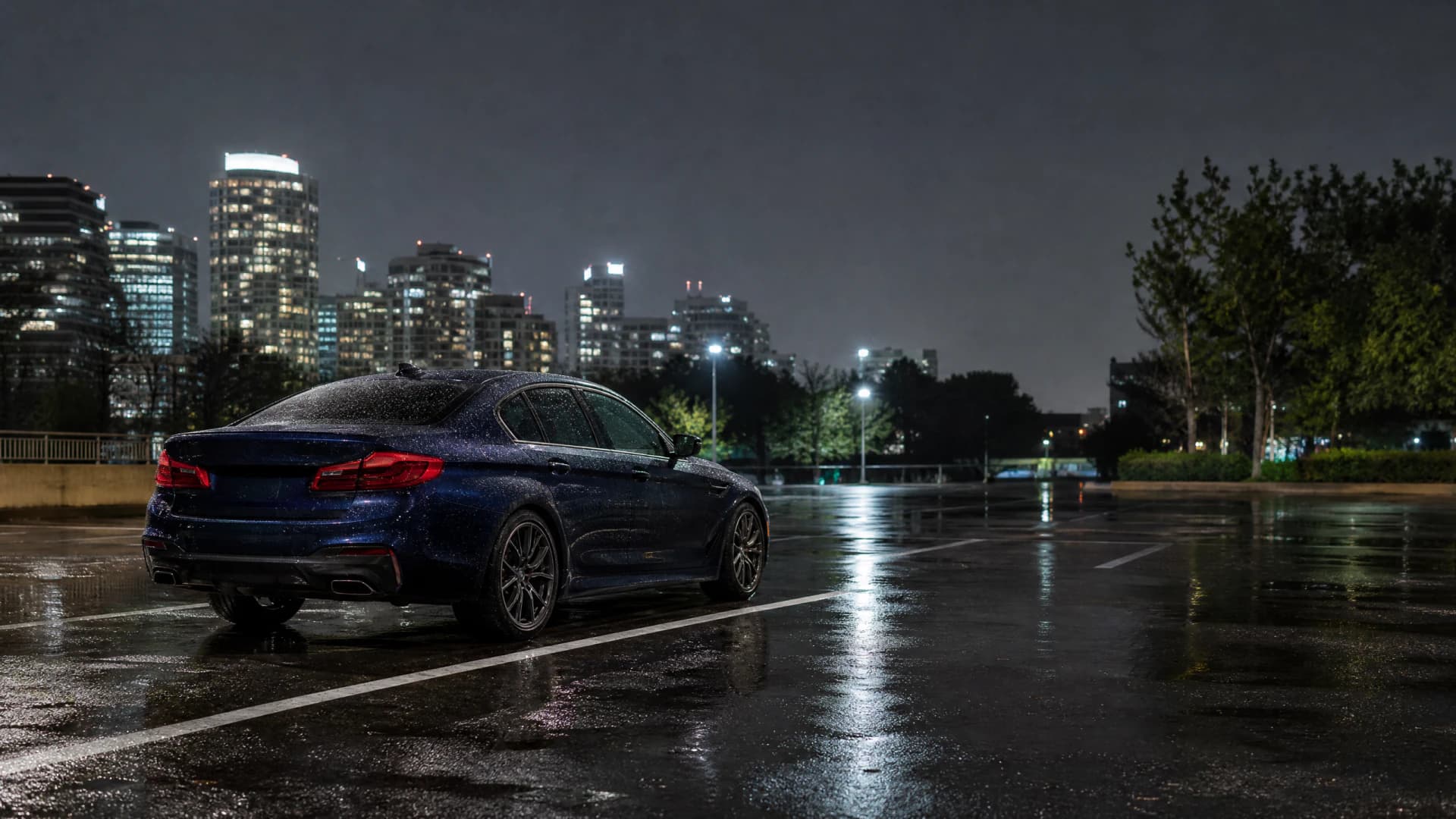
Adding a vehicle mid-term re-rates the entire policy, not just the new car. Every vehicle's premium can increase because the household's aggregate exposure changed.





The Uninsured Motorist Coverage Multiplier
Texas does not mandate uninsured-motorist coverage, but most carriers include it automatically unless you reject it in writing. With 14.5% of Texas drivers uninsured, this coverage protects you when an at-fault driver has no insurance to pay your claim. When you insure multiple vehicles, each car's uninsured-motorist coverage stacks — you have separate limits for each vehicle, and the carrier prices that cumulative protection into the policy.
A household with four cars carries four separate uninsured-motorist coverages, each with its own per-person and per-accident limits. If an uninsured driver hits one of your vehicles, your policy pays under that car's uninsured-motorist coverage. The more vehicles you insure, the more uninsured-motorist exposure the carrier assumes, and the premium reflects that aggregate risk. Rejecting uninsured-motorist coverage lowers the premium, but it leaves you exposed to the state's high uninsured rate with no fallback when an at-fault driver cannot pay.
Underinsured-motorist coverage works the same way. It pays when an at-fault driver's liability limits are too low to cover your damages. Texas's $30,000-per-person liability minimum means many at-fault drivers carry limits that won't cover a serious injury. Underinsured-motorist coverage fills that gap, and carriers price the cumulative exposure across every vehicle on your policy. A multi-vehicle household has more drivers, more trips, and more opportunities to encounter an underinsured at-fault driver, and the premium reflects that reality.
1.43
Texas Traffic Fatalities Per 100M Miles
Texas recorded 1.43 traffic fatalities per 100 million vehicle miles traveled in 2023. A household with multiple vehicles logs more miles and presents higher aggregate accident exposure, which carriers factor into liability and collision premiums.
National Highway Traffic Safety Administration, 2023

Why the Multi-Car Discount Doesn't Offset the Base Cost
Most carriers offer a multi-car discount when you insure two or more vehicles on the same policy. The discount typically reduces the per-vehicle premium by a percentage, but it applies after the carrier calculates the base premium for each car. In Texas, the base premium reflects the state's high uninsured rate, catastrophic weather exposure, and liability-floor dynamics. The discount lowers the final number, but it doesn't eliminate the structural cost drivers that make Texas premiums higher than most states.
The multi-car discount also requires every vehicle to sit on the same policy, and often that they share a garaging address. If a household member's car is titled separately or garaged at a different address, it may not qualify for the discount. Carriers verify garaging addresses and policy structure at renewal, and a vehicle that no longer meets the same-policy requirement loses the discount. The premium increase at renewal can surprise households that assumed the discount was permanent.
Compare Carriers That Write Multi-Vehicle Policies in Texas
Texas has 29 carriers writing multi-vehicle policies, and each prices the state's risk factors differently. Some carriers weight weather exposure more heavily; others focus on uninsured-motorist risk or liability-floor dynamics. The carrier that offers the lowest premium for a single car may not offer the best rate for a household with three or four vehicles, because multi-vehicle pricing models differ across carriers.
Start by comparing carriers that explicitly write multi-vehicle policies in Texas. See the full Texas carrier roster and state-specific coverage requirements to identify which carriers write your household's vehicle count and coverage needs. Request quotes from at least three carriers, and compare the total policy premium rather than the per-vehicle breakdown. The carrier with the lowest per-vehicle rate may not offer the lowest total premium once the multi-car discount and aggregate exposure are factored in.
Catastrophic Weather and Comprehensive Claims
A household with three cars garaged at the same address has three times the comprehensive-claim exposure of a single-car household. When a hailstorm hits your ZIP code, all three vehicles file claims simultaneously. Carriers model that correlated risk when they price comprehensive coverage for multi-vehicle policies, and the premium reflects the probability that a single weather event damages every car you insure at once.
Texas recorded 334 motor vehicle thefts per 100,000 population in 2024, well above the national average. Comprehensive coverage also pays for theft, and a household with multiple vehicles presents multiple theft targets. Carriers price the cumulative theft exposure into the policy, particularly in urban counties where theft rates run higher. The more cars you insure at the same address, the more the comprehensive premium reflects that aggregate exposure.
Get Your Free Quote
Get My Texas Car Insurance QuoteFrequently Asked Questions
Why does adding a second car increase the premium on my first car?
Adding a vehicle triggers a full policy re-rate. The carrier recalculates the entire household's risk profile, and your existing cars may cost more because the household now presents higher aggregate liability, comprehensive, and uninsured-motorist exposure. The premium increase reflects cumulative risk across all vehicles, not just the new car.
Does the multi-car discount apply automatically in Texas?
Most carriers apply the multi-car discount automatically when you insure two or more vehicles on the same policy, but it requires every vehicle to sit on one policy and often share a garaging address. If a household member's car is titled separately or garaged elsewhere, it may not qualify. Verify discount eligibility with your carrier at renewal.
Why is comprehensive coverage so expensive for multiple cars in Texas?
Texas leads the nation in catastrophic weather events — hail, tornadoes, flooding, and hurricane exposure. A household with three cars garaged at the same address has three times the comprehensive-claim exposure, because a single weather event can damage all three vehicles simultaneously. Carriers price that correlated risk into the policy.
Can I reject uninsured motorist coverage to lower my premium?
Yes. Texas does not mandate uninsured-motorist coverage, and you can reject it in writing to lower your premium. However, 14.5% of Texas drivers are uninsured, and rejecting this coverage leaves you with no fallback when an at-fault driver has no insurance to pay your claim.
Do all Texas carriers price multi-vehicle policies the same way?
No. Each of the 29 carriers writing multi-vehicle policies in Texas weights risk factors differently. Some emphasize weather exposure; others focus on uninsured-motorist risk or liability-floor dynamics. The carrier with the lowest single-car rate may not offer the best multi-vehicle premium, so compare at least three carriers' total policy quotes.
Why does my premium increase every renewal even when I don't add a car?
Carriers re-rate your policy at every renewal based on updated risk models, claims data, and state-specific loss trends. In Texas, rising uninsured-motorist rates, increasing weather-related claims, and higher vehicle repair costs drive premium increases across the board. A clean driving record doesn't freeze your premium if the state's aggregate risk profile worsens.