
Best Full Coverage Car Insurance for Multi-Vehicle Households — Texas
Free to compare
Why Single-Car Quotes Mislead Multi-Vehicle Households
You pulled quotes for full coverage on your first vehicle and found a clear winner. Then you added your second car to the quote and watched the monthly premium jump by more than the first vehicle's cost. The carrier that quoted lowest for one vehicle is now the most expensive for two, and you cannot tell whether the problem is the base rate, the multi-car discount, or how the carrier prices your second vehicle's collision and comprehensive coverage.
Texas households insuring two or more vehicles face a structural reality most comparison tools obscure: the multi-car discount is not a flat percentage applied uniformly across carriers. Some carriers apply a larger discount to liability coverage and a smaller one to physical-damage coverage. Others discount the second vehicle more steeply than the third. A few carriers with higher single-vehicle rates become competitive once the household discount is applied, while carriers advertising aggressive single-car pricing often apply weaker multi-vehicle discounts. The carrier that wins for your household depends on your specific vehicle mix, not the advertised rate for one car.
“The carrier quoting lowest for one vehicle often becomes the most expensive for two, because multi-car discounts vary by coverage type.”

See What Texas Drivers Pay for the Coverage They Need
Get My Texas Car Insurance Quote$30,000 / $60,000 / $25,000
Texas Minimum Liability Limits
Texas requires $30,000 bodily injury per person, $60,000 per accident, and $25,000 property damage. Full coverage adds collision and comprehensive to these state-mandated minimums, and the physical-damage portion is where multi-vehicle pricing diverges most sharply across carriers.
Texas Department of Public Safety
What Full Coverage Means for Multiple Vehicles
Full coverage is not a single product. It combines Texas's mandatory liability minimums with collision coverage (pays for damage to your vehicle in an at-fault crash) and comprehensive coverage (pays for theft, weather, vandalism, and animal strikes). When you insure multiple vehicles, each car carries its own collision and comprehensive coverage with its own deductible, but the liability coverage applies per policy, not per vehicle.
The multi-car discount applies differently to each coverage component. Most Texas carriers discount liability coverage more aggressively than physical-damage coverage when you add a second vehicle. A household with two newer vehicles carrying collision and comprehensive will see a smaller total discount than a household with one newer car and one older vehicle where the second car drops physical-damage coverage entirely. The discount structure matters more than the advertised discount percentage.
Carriers writing in Texas use different rating tiers for physical-damage coverage. Texas does not regulate collision or comprehensive rates the way it regulates liability minimums, so carriers price these coverages based on vehicle value, theft rates in your ZIP code, and their own claims experience. A carrier with competitive liability rates may price comprehensive coverage higher in urban counties with elevated theft rates, while a competitor structures the opposite way. Your household's total cost depends on how each carrier weights these components across your specific vehicles.
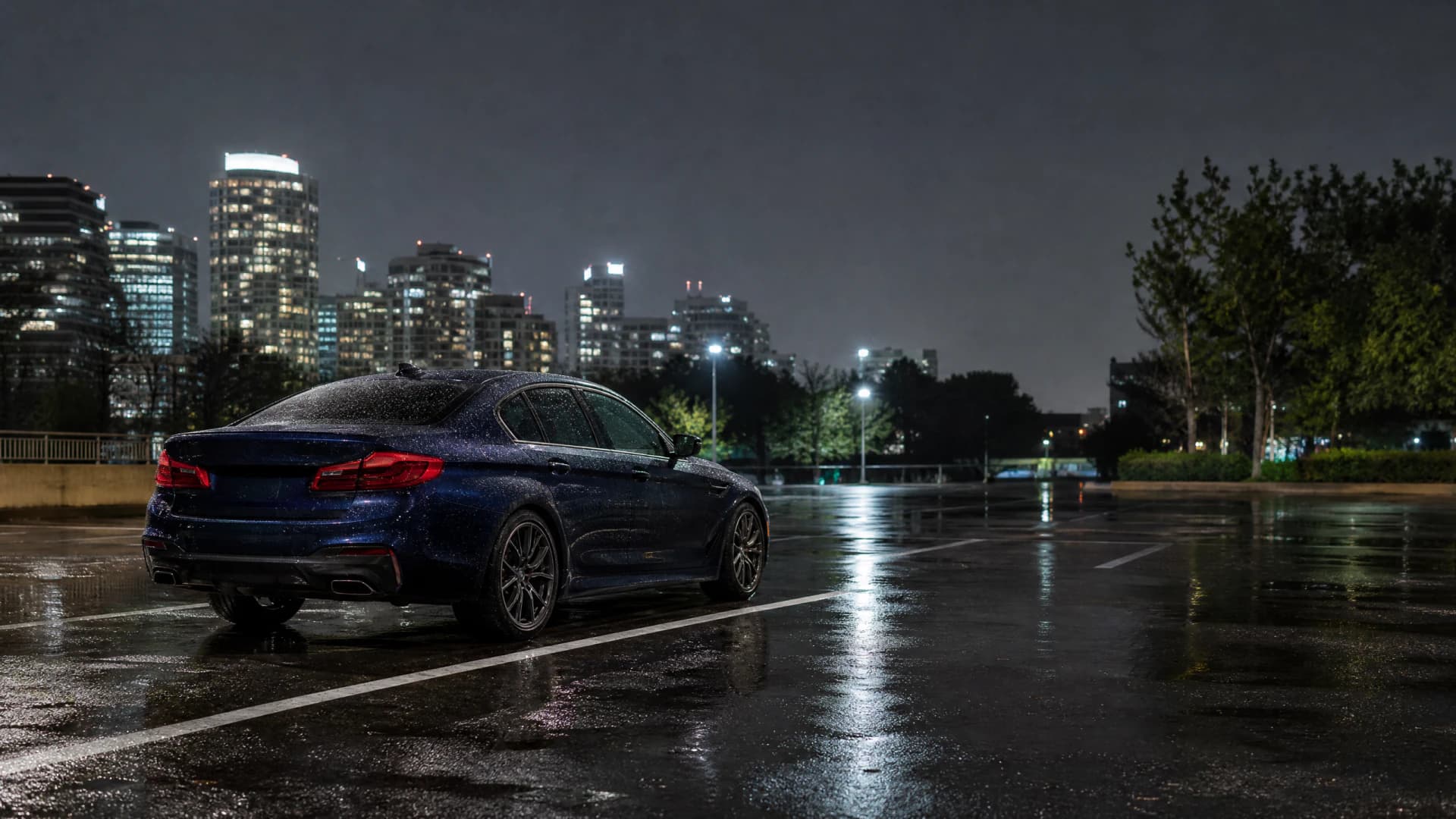
The carrier quoting lowest for your first vehicle often prices your second vehicle higher, because multi-car discounts vary by coverage type and vehicle characteristics.
Related Articles
Best Car Insurance for Multiple Vehicles TX
7/15/2026

Best Full-Coverage Companies for Texas
7/15/2026
Choosing Car Insurance for Multiple Vehicles TX
7/15/2026

Best Cheap Car Insurance Companies in Texas
7/15/2026

Collision Coverage for Multiple Cars in TX
7/15/2026

Multi-Car Coverage Needs in Texas
7/15/2026

Which Texas Carriers Write Competitive Multi-Vehicle Full Coverage
State Farm, USAA, Geico, Progressive, and Allstate write the largest volume of multi-vehicle policies in Texas. State Farm and USAA typically quote lower total premiums for households with clean driving records and newer vehicles, while Progressive and Geico often win for households mixing newer and older cars where one vehicle drops physical-damage coverage. Allstate's multi-car discount structure favors households with three or more vehicles.
Farmers, Nationwide, and Liberty Mutual write competitive full coverage for households with mixed vehicle ages or where one driver carries a minor violation. Mercury General and National General write in Texas but focus on non-standard risk; their multi-vehicle pricing is less competitive for clean-record households. Bristol West, Dairyland, and The General write multi-vehicle policies for households with DUI or suspended-license history, but their full-coverage rates for standard-risk households run higher than the major carriers listed above.
USAA restricts eligibility to military members, veterans, and their families. If you qualify, USAA consistently quotes among the lowest total premiums for Texas multi-vehicle households. If you do not qualify, State Farm and Geico are the next most competitive for households with two or three vehicles. Progressive's Name Your Price tool lets you adjust coverage limits and deductibles to hit a target premium, which works well when you are willing to raise deductibles on your second or third vehicle to lower the total cost.
23,291,638
Registered Vehicles in Texas
Texas has 23,291,638 registered motor vehicles and 18,738,980 licensed drivers, meaning many households insure multiple vehicles on one policy. Carriers writing in Texas build multi-vehicle discount structures to compete for these households, and total premium varies more by carrier for multi-car policies than for single-vehicle policies.
Texas Department of Motor Vehicles, 2022
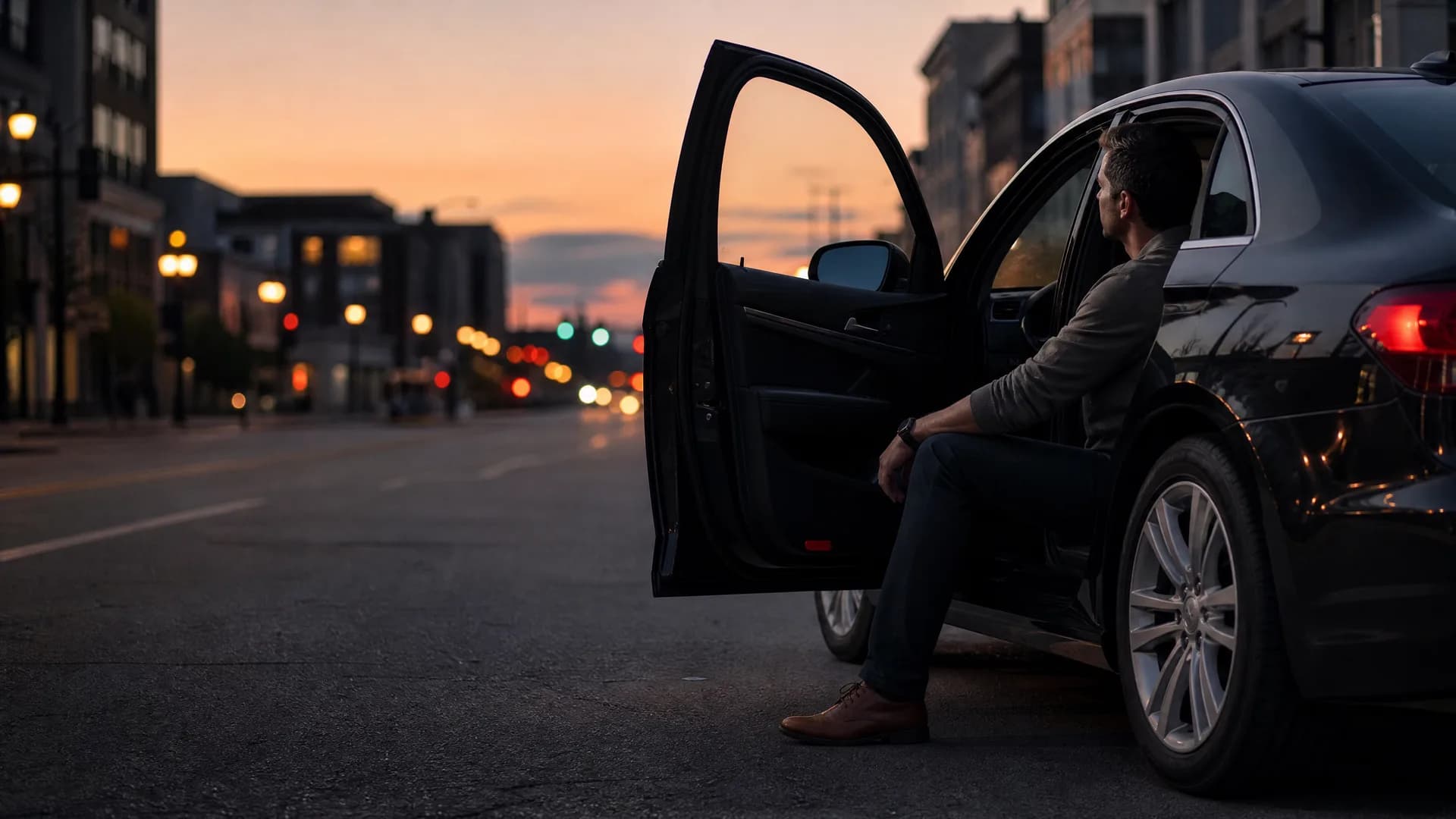
When to Drop Physical-Damage Coverage on Your Second or Third Vehicle
Collision and comprehensive coverage make sense when the vehicle's market value justifies the premium and deductible. A common threshold: if the annual cost of collision and comprehensive coverage exceeds 10% of the vehicle's current value, consider dropping physical-damage coverage and carrying liability only.
Dropping physical-damage coverage on one vehicle lowers your total household premium but eliminates your ability to file a claim for damage to that car. If the vehicle is paid off and you can afford to replace it out of pocket, liability-only coverage is the more economical choice. If the vehicle is financed or leased, the lender requires collision and comprehensive coverage until the loan is paid off, so you cannot drop it even if the math favors doing so.
Compare Carriers for Your Household's Vehicles
The best full coverage carrier for your Texas household depends on your specific vehicle mix, the drivers on your policy, and how each carrier structures its multi-car discount across liability and physical-damage coverage. Single-vehicle quotes do not predict multi-vehicle pricing accurately. Quote all your vehicles on one policy simultaneously from at least four carriers, compare total household cost rather than per-vehicle breakdowns, and evaluate whether dropping collision and comprehensive on your older vehicles lowers your premium enough to justify the coverage trade-off. The carrier that wins is the one quoting the lowest total monthly premium for your complete household, not the one advertising the lowest single-car rate.
How to Compare Carriers by Total Household Cost
Start by listing every vehicle you will insure: year, make, model, and primary driver for each. Carriers price physical-damage coverage based on vehicle value and theft risk, so a 2018 sedan and a 2022 truck will generate different collision and comprehensive premiums even with identical liability coverage. Identify which vehicles will carry full coverage and which will carry liability only. Older vehicles with low market value often cost more to insure for collision than they would pay out in a total-loss claim, making liability-only coverage the better choice for the second or third car.
Request quotes from at least four carriers writing in Texas, entering all vehicles on one policy from the start. Do not quote one vehicle and then add the others later—the multi-car discount applies when the policy is written, and adding vehicles mid-term re-rates the entire policy rather than simply tacking on the new car's cost. Compare the total monthly premium for the household, not the per-vehicle breakdown. A carrier quoting higher for your primary vehicle may quote lower for your second vehicle, and the total cost is what matters. Pay attention to how each carrier structures deductibles: some offer a single deductible across all vehicles, others require separate deductibles per car, and that choice affects your out-of-pocket cost at claim time.
Get Your Free Quote
Get My Texas Car Insurance QuoteFrequently Asked Questions
Does full coverage cost more for multiple vehicles in Texas?
Full coverage for multiple vehicles costs more in total than insuring one vehicle, but the per-vehicle cost drops when you apply the multi-car discount. Most Texas carriers reduce the premium for your second and third vehicles by 10–25%, with the discount applied to liability coverage more aggressively than to collision and comprehensive. The total household premium depends on how many vehicles carry physical-damage coverage and how each carrier structures its multi-vehicle discount.
Can I insure multiple vehicles with different coverage levels on one Texas policy?
Yes. Texas allows you to carry full coverage on one vehicle and liability-only coverage on another vehicle on the same policy. Older vehicles with low market value often make sense to insure for liability only, while newer or financed vehicles require collision and comprehensive coverage. Each vehicle on your policy can have its own coverage selections and deductible amounts.
Which Texas carrier offers the best multi-car discount for full coverage?
State Farm, USAA, and Geico consistently quote competitive total premiums for Texas households insuring two or more vehicles with full coverage. USAA restricts eligibility to military-affiliated households but typically quotes the lowest total cost when you qualify. The best carrier for your household depends on your vehicle mix and driving records; quote all your vehicles simultaneously from at least four carriers to compare total household cost accurately.
Do I need full coverage on every vehicle if I insure multiple cars in Texas?
No. Texas requires only liability coverage to register and drive legally. Full coverage (liability plus collision and comprehensive) is required by your lender if a vehicle is financed or leased, but you can drop physical-damage coverage on paid-off vehicles. Many Texas households carry full coverage on newer vehicles and liability-only coverage on older cars to lower the total premium while maintaining adequate protection.
How does adding a second vehicle change my Texas full coverage premium?
Adding a second vehicle to your Texas policy increases your total premium but applies a multi-car discount that lowers the per-vehicle cost. The second vehicle's premium is typically 10–25% less than it would cost on a separate policy. The exact increase depends on the second vehicle's value, the coverage you select, and how your carrier structures its multi-vehicle discount across liability and physical-damage coverage.