
The Multi-Vehicle Coverage Question Texas Households Face
You own two or more vehicles titled to your household and carry them on one Texas auto policy. You know the state requires $30,000 bodily injury per person, $60,000 per accident, and $25,000 property damage. What you cannot tell is whether those minimums cover all your vehicles adequately, whether every car needs collision and comprehensive, and whether dropping coverage on one vehicle saves money or creates a gap that costs you at claim time.
The structural reality: Texas liability minimums apply to the policy as a whole, not per vehicle. That $30,000/$60,000/$25,000 limit protects you across every car on the policy in a single accident. Collision and comprehensive, by contrast, are per-vehicle decisions. A household with a new SUV and an older sedan does not need identical coverage on both. This article walks the specific coverage-structure decisions multi-car households face in Texas, grounded in what each vehicle is worth and how you use it.
Compare car insurance rates in your state
Get quotes from licensed carriers — no obligation, no spam, results in minutes.
Get Your Free QuoteTexas Minimum Liability
Texas requires $30,000 bodily injury per person, $60,000 per accident, and $25,000 property damage. These limits apply to the policy, not per vehicle. A household with three cars carries one set of liability limits covering all three.
Texas Department of Public Safety
Liability Limits Cover the Policy, Not Each Vehicle
The most common misconception: believing that each vehicle on the policy carries its own separate liability limit. Texas law does not work that way. The $30,000/$60,000/$25,000 minimum applies to the policy. If you cause an accident while driving any vehicle on that policy, the same liability limit responds.
This means a household with four vehicles does not carry four times the liability protection. You carry one set of limits. If those limits are inadequate for the household's total asset exposure, every vehicle on the policy shares that risk.
The practical implication: liability is a household decision, not a per-vehicle one. Evaluate your total asset exposure once, set limits that protect the household, and apply them to the policy. The number of vehicles does not change the liability calculation.
Collision and comprehensive are per-vehicle elections. Liability is not. Households often overpay by treating every coverage type as if it scales per vehicle.
Structuring Collision and Comprehensive Across Multiple Vehicles
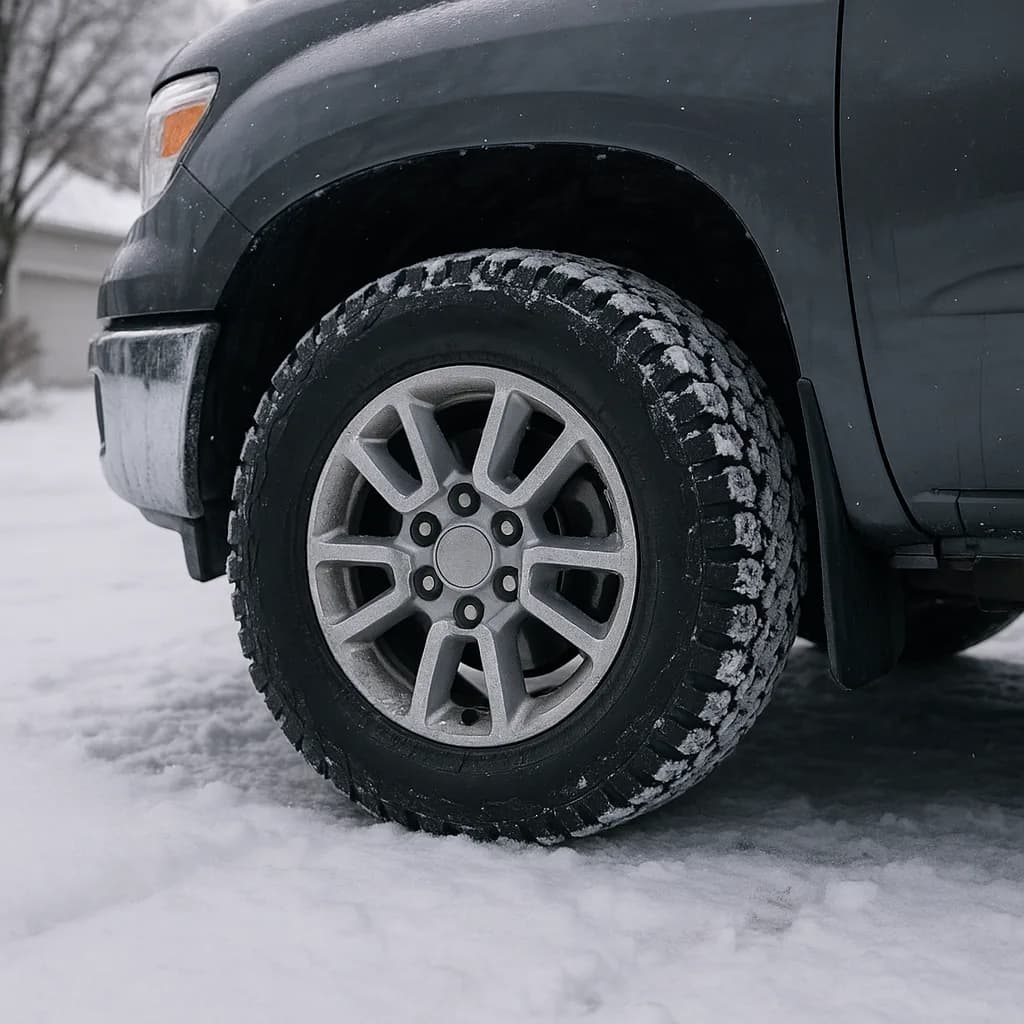
A conventional threshold: if a vehicle's current market value is less than ten times the annual collision and comprehensive premium for that vehicle, dropping those coverages and self-insuring the replacement risk often makes financial sense.
Texas households with multiple vehicles frequently carry full coverage on the newest or highest-value vehicle and liability-only on older cars. This is structurally sound. The risk you are managing is the cost to replace each specific vehicle after a total loss. A vehicle you can replace with savings does not need collision or comprehensive. A vehicle you cannot does.
Related Articles




How Adding or Removing a Vehicle Re-Rates the Policy
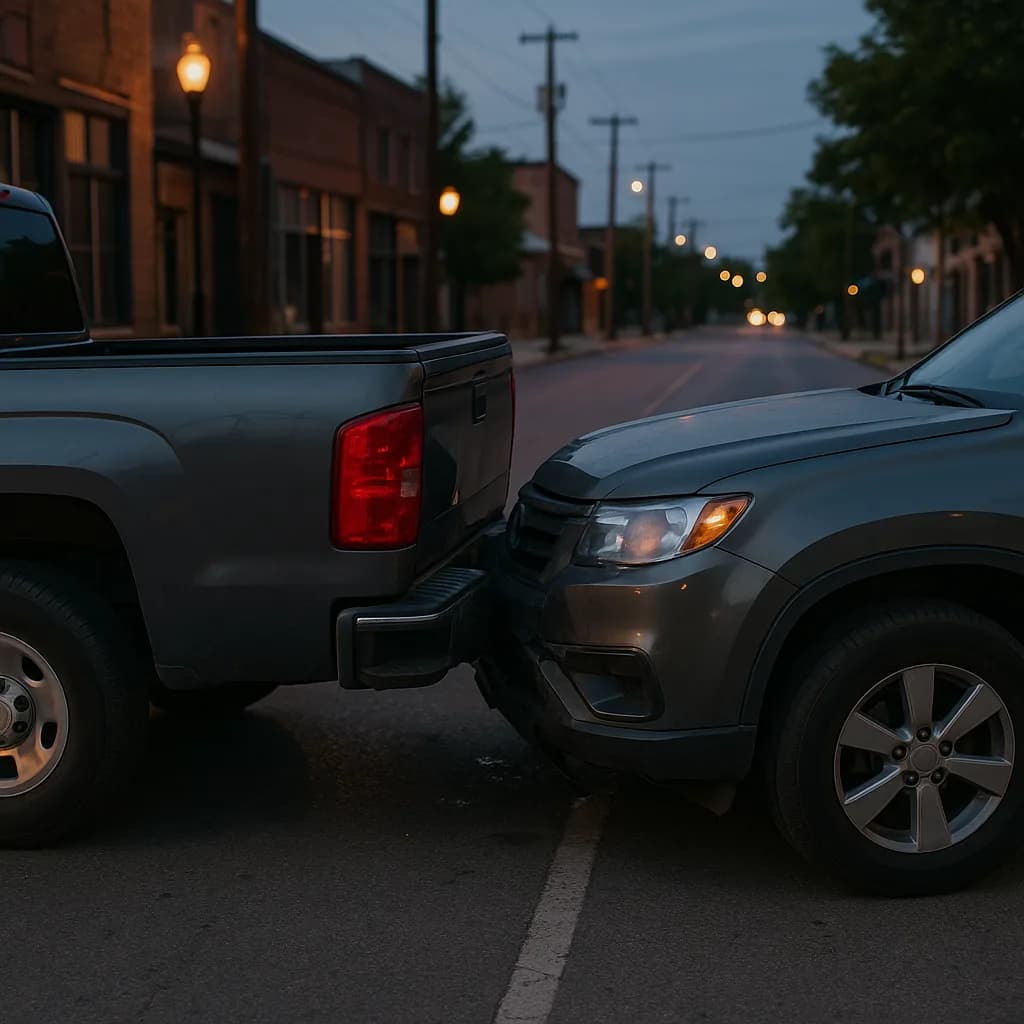
Adding a vehicle to an existing Texas multi-car policy does not simply append a flat amount to your premium. The carrier re-rates the entire policy. The multi-car discount applies to the new vehicle count, and the household's total premium adjusts based on the risk profile of every vehicle now on the policy.
This creates a common surprise: adding a low-value older car to a policy that already carries two newer vehicles can lower the per-vehicle average premium, because the multi-car discount now spreads across three vehicles instead of two. Conversely, adding a high-value vehicle or a vehicle driven by a young or high-risk driver raises the total premium more than the cost of insuring that vehicle alone would suggest.
When you remove a vehicle mid-term, the policy re-rates again. The multi-car discount adjusts to the new vehicle count, and the household's total premium recalculates. Removing a vehicle does not always lower your premium proportionally, because losing the multi-car discount's spread can offset the savings from dropping that vehicle's coverage.
The structural takeaway: treat the policy as a household unit. Adding or removing a vehicle is a whole-policy event, not a line-item change. Compare the re-rated total premium to your current total, not the cost of the individual vehicle.
Texas Multi-Car Market
23 carriers
Twenty-three carriers write multi-vehicle policies in Texas, including standard-tier and non-standard-tier options. Households structuring coverage across multiple vehicles should compare carriers that write their specific vehicle mix and driver profile.
Uninsured Motorist Coverage Across Multiple Vehicles
Texas does not mandate uninsured motorist coverage, but carriers must offer it. When you decline it, you sign a written rejection. Uninsured motorist coverage applies per policy, not per vehicle, similar to liability limits. If an uninsured driver hits any vehicle on your policy, your uninsured motorist coverage responds up to the policy limit.
Texas has a 14.5 percent uninsured motorist rate. That means roughly one in seven drivers on Texas roads carries no liability insurance. If you carry only the state minimum liability and no uninsured motorist coverage, and an uninsured driver totals your vehicle, you recover nothing from their nonexistent policy and nothing from your own. Uninsured motorist coverage fills that gap.
Comparing Carriers That Write Multi-Vehicle Policies in Texas
Not every carrier writes multi-vehicle households the same way. Some carriers offer larger multi-car discounts. Others price high-value and low-value vehicles on the same policy more favorably. A household with a mix of newer and older vehicles, or a household adding a teen driver's car, should compare carriers that specialize in that structure.
Texas has 23 carriers writing multi-vehicle policies, spanning preferred-tier, standard-tier, and non-standard-tier markets. Households with clean driving records and newer vehicles typically find the best rates with preferred-tier carriers. Households with older vehicles, drivers with points, or mixed risk profiles often find better total-policy pricing with standard or non-standard carriers that do not penalize the household for one higher-risk vehicle. Compare total policy premium across carriers, not per-vehicle line items. The household's total cost is what matters.