
When to Drop Full Coverage Car Insurance — Texas
Free to compare
The Multi-Car Coverage Question Texas Households Face
You added a second or third vehicle to your Texas auto policy, and the carrier quoted full coverage on all of them. The premium jumped more than you expected. Now you're asking whether every car on the policy needs collision and comprehensive, or if you can drop full coverage on one vehicle and carry liability only. The answer depends on what Texas law actually requires versus what protects your household's assets.
Texas law mandates minimum liability coverage on every registered vehicle: $30,000 per person for bodily injury, $60,000 per accident, and $25,000 for property damage. Collision and comprehensive are optional unless a lienholder requires them. A multi-car household can legally carry full coverage on the newer financed vehicle and liability-only on an older paid-off car, as long as every vehicle meets the state minimums. The structural reality most households miss: you are not required to insure every car identically.
“Texas law mandates liability on every car, but collision and comprehensive are optional once the vehicle is paid off.”

See What Texas Drivers Pay for the Coverage They Need
Get My Texas Car Insurance Quote$30,000 / $60,000 / $25,000
Texas Minimum Liability Limits
Every registered vehicle in Texas must carry at least this much liability coverage. Collision and comprehensive are not part of the state minimum, and no Texas statute requires them on a paid-off vehicle.
Texas Department of Public Safety
What Full Coverage Actually Protects on a Multi-Car Policy
Full coverage is industry shorthand for a policy that includes liability, collision, and comprehensive. Liability pays the other driver's damages when you cause a crash. Collision repairs your own vehicle after a crash, regardless of fault. Comprehensive covers non-collision damage: theft, hail, vandalism, hitting a deer. When you drop full coverage, you drop collision and comprehensive but keep liability.
On a multi-car policy, each vehicle can carry different coverage levels. The carrier prices collision and comprehensive separately for each car based on its value, age, and garaging ZIP code. A 2024 financed SUV and a 2010 paid-off sedan on the same policy can have different coverage: the SUV carries full coverage because the lienholder requires it, and the sedan carries liability-only because its replacement cost does not justify the collision premium.
The decision turns on whether you can afford to replace or repair the vehicle out of pocket if it is totaled or stolen. If the answer is yes, and no lienholder requires physical-damage coverage, dropping full coverage on that vehicle is a structural cost reduction with no legal consequence. If the answer is no, keep collision and comprehensive regardless of the vehicle's age.
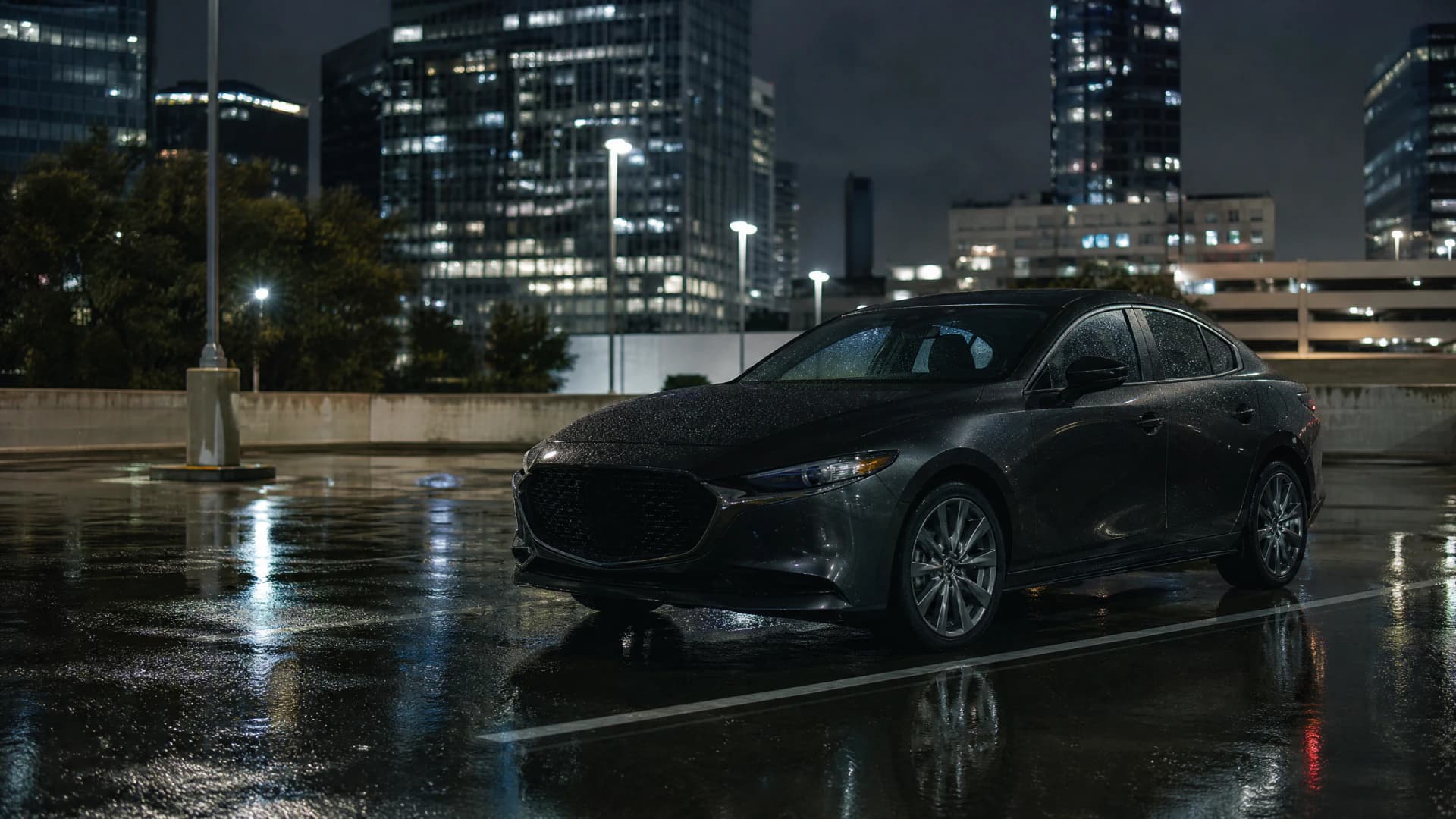
Texas does not require collision or comprehensive on any vehicle. The only legal mandate is liability coverage meeting the state minimums on every registered car.
Related Articles






How Dropping Coverage on One Car Affects the Multi-Car Discount
The multi-car discount applies when two or more vehicles sit on the same policy. Dropping collision and comprehensive on one vehicle does not remove it from the policy, so the discount remains intact. The vehicle still carries liability coverage, still counts toward the multi-car threshold, and still appears on the policy declarations page.
What changes is the premium. Removing collision and comprehensive from one car lowers the total policy cost, but the multi-car discount percentage stays the same because the number of insured vehicles has not changed. The discount applies to the base premium for each vehicle, and a liability-only vehicle has a lower base than a full-coverage vehicle. The combined effect: you pay less overall, and the discount still applies to every car on the policy.
Some households assume dropping full coverage on one vehicle means moving it to a separate policy. That is not required and usually costs more. A liability-only vehicle on the existing multi-car policy is almost always cheaper than a standalone liability policy, because the multi-car discount reduces the liability premium for that vehicle as well.
14.5%
Texas Uninsured Motorist Rate
Nearly one in seven Texas drivers carries no insurance. Uninsured motorist coverage is optional in Texas but protects your household when an at-fault driver has no liability coverage to pay your claim.
Insurance Information Institute, 2023

What Happens When You Drop Full Coverage Mid-Term
You can drop collision and comprehensive on a vehicle at any point during the policy term. The carrier recalculates the premium, removes the physical-damage coverage from that vehicle's portion of the policy, and issues a prorated refund or reduces the next installment. The change takes effect on the date you request it, not retroactively. If the vehicle is damaged or stolen before the change processes, the claim is covered under the old coverage structure.
The carrier will ask whether the vehicle is financed. If it is, they will not remove collision and comprehensive without written consent from the lienholder, because the loan contract requires physical-damage coverage as a condition of financing. If you drop coverage without lienholder consent, the lender will force-place its own policy on the vehicle at a much higher cost and bill you for it. On a paid-off vehicle, no lienholder consent is required, and the carrier processes the change immediately.
Compare Carriers That Write Multi-Car Policies in Texas
Not every carrier prices multi-car policies the same way. Some apply a larger discount when you add a third or fourth vehicle; others front-load the discount on the first two cars and taper it after that. When you are restructuring coverage across multiple vehicles, comparing carriers that write your household's mix of full-coverage and liability-only cars shows you whether the current policy structure is competitive or whether another carrier offers better pricing for the same coverage levels.
Texas has 28 carriers writing multi-car policies with varying discount structures and base rates. Carriers like State Farm, Progressive, and GEICO write both full-coverage and liability-only vehicles on the same policy and apply the multi-car discount to every vehicle. Comparing quotes with the exact coverage structure you plan to use—full coverage on some cars, liability-only on others—gives you the actual cost difference, not a generic estimate. Use the comparison tool to see which carrier prices your specific multi-vehicle structure most competitively.
When Dropping Full Coverage Makes Sense for One Vehicle
Drop full coverage when the vehicle is paid off, its market value is low enough that you can replace it without financing, and the annual collision and comprehensive premium exceeds 10 percent of the car's current value. After three years, you will have paid nearly half the car's value in premiums. At that point, carrying liability-only and self-insuring the physical damage risk is the more cost-effective structure.
Keep full coverage when the vehicle is financed or leased, when its replacement cost exceeds what you can pay out of pocket, or when the car is driven daily in high-traffic or high-theft areas. A financed vehicle legally requires collision and comprehensive until the loan is satisfied. A leased vehicle requires coverage levels the lessor specifies in the contract. Even on a paid-off car, if losing it to theft or a total-loss crash would force you into emergency financing for a replacement, full coverage is the safer structure.
Get Your Free Quote
Get My Texas Car Insurance QuoteFrequently Asked Questions
Can I drop full coverage on one car and keep it on another on the same Texas policy?
Yes. Texas law requires minimum liability coverage on every registered vehicle, but collision and comprehensive are optional unless a lienholder requires them. You can carry full coverage on a financed car and liability-only on a paid-off car on the same multi-car policy. The multi-car discount still applies to both vehicles.
Will dropping full coverage on one vehicle cancel my multi-car discount?
No. The multi-car discount applies when two or more vehicles sit on the same policy. Dropping collision and comprehensive on one car does not remove it from the policy. The vehicle still carries liability coverage and still counts toward the multi-car threshold, so the discount remains intact.
What is the rule of thumb for when to drop collision and comprehensive in Texas?
Drop full coverage when the vehicle is paid off, its replacement cost is low enough that you can afford to replace it out of pocket, and the annual collision and comprehensive premium exceeds 10 percent of the car's current market value. If the premium is 15 percent or more of the vehicle's value, you are likely overpaying for coverage.
Can I drop full coverage on a financed vehicle in Texas?
No. The loan contract requires collision and comprehensive coverage as a condition of financing. If you drop coverage without lienholder consent, the lender will force-place its own policy on the vehicle at a much higher cost and bill you for it. Full coverage is required until the loan is satisfied.
Does Texas require uninsured motorist coverage on a multi-car policy?
No. Uninsured motorist coverage is optional in Texas. However, 14.5 percent of Texas drivers carry no insurance, so uninsured motorist coverage protects your household when an at-fault driver has no liability coverage to pay your claim. It is worth considering even on a liability-only vehicle.
How do I drop full coverage on one car mid-term in Texas?
Contact your carrier and request removal of collision and comprehensive from the specific vehicle. The carrier recalculates the premium, issues a prorated refund or reduces the next installment, and the change takes effect on the date you request it. If the vehicle is financed, the carrier will require written lienholder consent before processing the change.