
Car Impoundment for No Insurance — Texas
Free to compare
When Officers Can Impound Your Vehicle
You were stopped for a traffic violation or checkpoint, and when the officer asked for proof of insurance, you had none to show. The question now is whether the car gets impounded immediately or whether you drive away with a citation. Texas law gives officers discretion to impound uninsured vehicles, but the decision hinges on the circumstances of the stop and whether you can produce valid coverage documentation on the spot.
The impound authority comes from the state's financial responsibility enforcement framework. When an officer determines you are driving without insurance, they evaluate whether impoundment serves an enforcement purpose—preventing continued uninsured driving—or whether a citation alone is sufficient. The officer's decision typically depends on whether you can demonstrate active coverage, whether the vehicle is registered to you, and whether someone with valid insurance can take possession of the car at the scene.
“The impound is not triggered by the citation—it is triggered by the officer's determination that you will continue driving uninsured.”

See What Texas Drivers Pay for the Coverage They Need
Get My Texas Car Insurance Quote14.5%
Texas Uninsured Motorist Rate
Nearly one in seven Texas drivers operates without insurance, one of the highest uninsured rates in the country. This enforcement pressure drives the state's impoundment authority and the mandatory two-year SR-22 filing period for drivers caught without coverage.
Insurance Research Council, 2023
What Texas Law Actually Requires
Texas requires every driver to carry minimum liability coverage of $30,000 per person for bodily injury, $60,000 per accident for bodily injury, and $25,000 for property damage. These are the statutory minimums under state law. Driving without at least this coverage violates the Texas Motor Vehicle Safety Responsibility Act, and the violation carries both administrative and criminal consequences.
When you cannot produce proof of insurance at a traffic stop, the officer issues a citation for failure to maintain financial responsibility. The citation itself does not trigger impoundment. What triggers impoundment is the officer's determination that you pose a continued enforcement risk—that you will drive away from the stop and continue operating the vehicle without coverage. If the officer believes impoundment is necessary to prevent that outcome, they have the authority to order the vehicle towed.
The impound decision is not automatic. Officers evaluate whether someone at the scene can take possession of the vehicle legally. If a passenger or household member present at the stop holds valid insurance and a valid license, the officer may release the vehicle to that person rather than impound it. If no one at the scene qualifies, or if the vehicle is registered solely to you and you cannot demonstrate coverage, impoundment becomes the likely outcome.
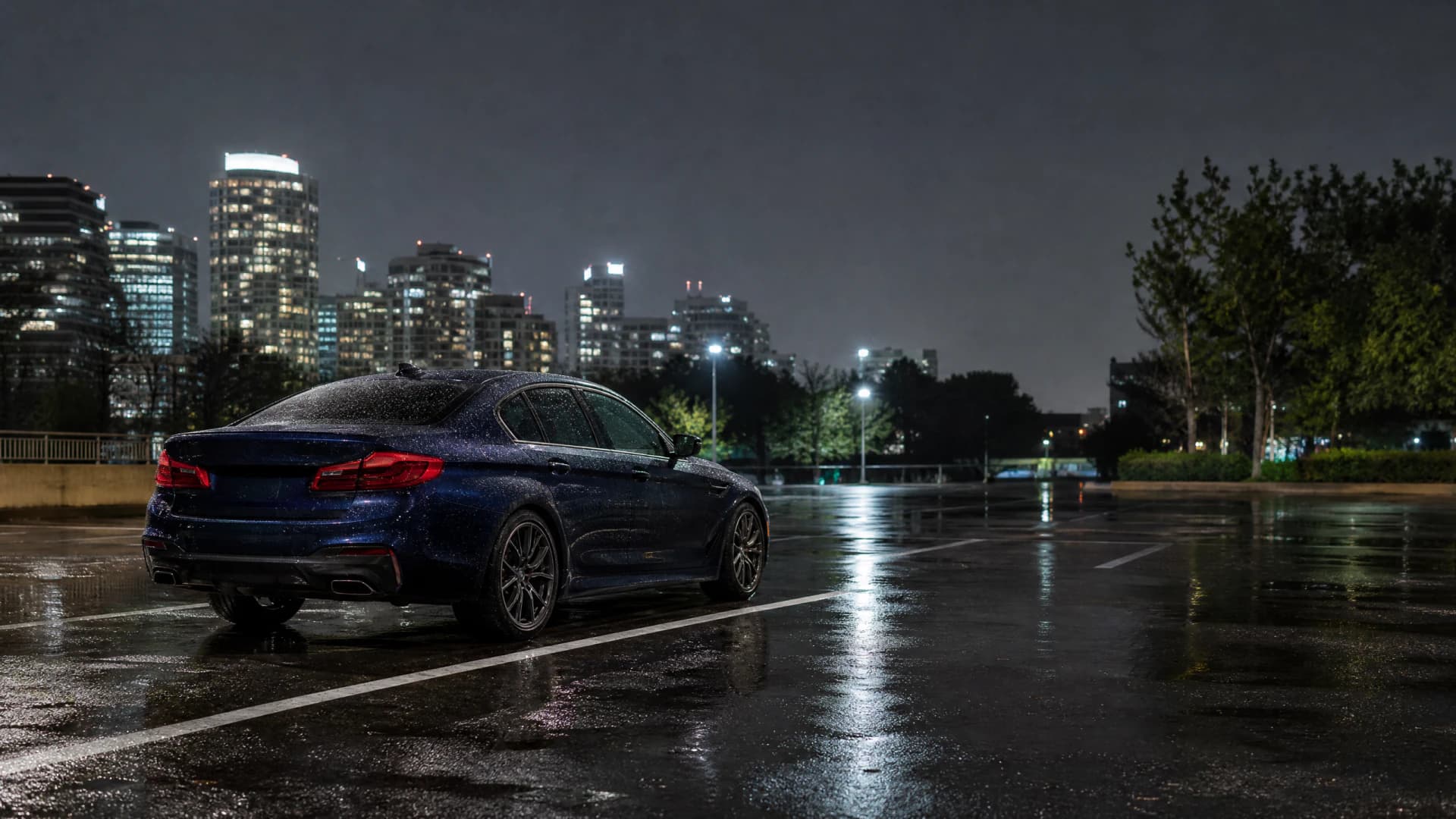
The impound is not triggered by the citation—it is triggered by the officer's determination that you will continue driving uninsured if released with the vehicle.




The SR-22 Filing Requirement
Texas law requires drivers convicted of driving without insurance to file an SR-22 certificate for two years. The SR-22 is not a type of insurance—it is a certificate your insurer files with the Texas Department of Public Safety proving you carry at least the state minimum liability coverage. The filing period begins on the date the DPS receives the certificate, not the date of the violation or the date you purchase the policy.
Not every carrier writes SR-22 policies. Preferred carriers such as State Farm and USAA write SR-22 certificates for existing customers but may decline to write new policies for drivers requiring SR-22 filing. Standard carriers including Geico, Progressive, Allstate, and Farmers write SR-22 policies for new and existing customers. Non-standard carriers including Dairyland, Bristol West, The General, GAINSCO, and Direct Auto specialize in high-risk drivers and write SR-22 policies as a core product line.
The SR-22 filing itself carries no separate state fee—Texas does not charge a filing fee. The larger cost is the premium increase. Drivers requiring SR-22 filing typically see premiums rise because the SR-22 requirement signals high-risk status to insurers. The increase varies by carrier, driving history, and coverage selections, but it is substantial enough that comparing carriers after an SR-22 requirement becomes a necessary step.
$100
Texas Reinstatement Fee
After a suspension for driving without insurance, Texas charges a $100 reinstatement fee to restore your license. This fee is separate from impound costs, SR-22 filing, and any court fines. You must pay it before the DPS will reinstate your driving privileges.
Texas Department of Public Safety
How to Prevent Impoundment at the Stop
The most effective way to prevent impoundment is to produce valid proof of insurance when the officer asks for it. Texas accepts electronic proof—a digital insurance ID card displayed on your phone is legally equivalent to a printed card. If your policy is active but you do not have proof with you at the stop, ask the officer whether you can retrieve it electronically. Many officers allow a brief window to pull up the document on your phone.
If you cannot produce proof because your policy lapsed or you never purchased coverage, your next option is to arrange for someone with valid insurance and a valid license to take possession of the vehicle at the scene. If a passenger in the car holds their own policy and is listed as a driver on a household policy that covers the vehicle, the officer may release the car to that person rather than impound it. The key is that the person taking possession must have legal authority to drive the vehicle and must carry proof of their own coverage.
If no one at the scene qualifies, the vehicle will be impounded. At that point, your focus shifts to obtaining coverage as quickly as possible and retrieving the vehicle before storage fees accumulate. Some non-standard carriers offer same-day policy issuance and same-day SR-22 filing, which allows you to satisfy the impound lot's release requirements within 24 hours of the stop.
What Happens After You Retrieve the Vehicle
Once you retrieve the vehicle from the impound lot, you still face the administrative and legal consequences of the no-insurance citation. You must respond to the citation by the court date printed on the ticket. Ignoring the citation results in a warrant and additional fines.
The DPS will also suspend your license if you are convicted of driving without insurance. The suspension period is not fixed by statute—it runs until you satisfy the reinstatement requirements. To reinstate, you must file an SR-22 certificate, pay the $100 reinstatement fee, and resolve any outstanding court fines. The SR-22 filing must remain active for two years. If your policy lapses or is canceled during that period, your insurer notifies the DPS, and your license is suspended again.

Compare Carriers That Write SR-22 Policies
If you are facing an SR-22 requirement, the next step is to compare carriers that write SR-22 policies in Texas. Not every carrier writes them, and premiums vary significantly by carrier, coverage level, and your driving history. Non-standard carriers including Dairyland, Bristol West, The General, GAINSCO, and Direct Auto specialize in high-risk drivers and often offer lower premiums than standard carriers for drivers requiring SR-22 filing. Standard carriers including Geico, Progressive, Allstate, and Farmers also write SR-22 policies and may offer better rates if your driving record is otherwise clean. Compare quotes from at least three carriers before committing to a policy—the difference in annual premium can exceed $1,000.
What Happens at the Impound Lot
The impound lot requires proof of valid insurance before releasing the vehicle. You must obtain a policy that meets Texas minimum liability limits and provide the lot with a copy of the declarations page or an insurance ID card showing active coverage. The policy must be in your name or the name of the registered owner. Some lots accept electronic proof; others require a printed document. Call the lot before you arrive to confirm what documentation they accept.
In addition to proof of insurance, you must pay all accumulated towing and storage fees. The longer the vehicle remains impounded, the higher the total cost. If the vehicle sits for more than 30 days, the lot may initiate a lien process, and you risk losing the vehicle entirely if you cannot pay the accumulated charges.
Get Your Free Quote
Get My Texas Car Insurance QuoteFrequently Asked Questions
Can a Texas officer impound my car if I forgot my insurance card at home?
If your policy is active but you cannot produce proof at the stop, most officers allow you to retrieve electronic proof on your phone. Texas law accepts digital insurance ID cards as valid proof. If you can display the document within a reasonable time, the officer typically issues no citation and does not impound the vehicle.
How much does it cost to get my car out of impound in Texas?
You must also provide proof of valid insurance before the lot will release the vehicle. The total cost rises quickly if the vehicle sits for more than a few days.
Do I need SR-22 insurance to get my car out of impound?
You need proof of valid liability insurance that meets Texas minimum limits to retrieve the vehicle from the impound lot. The SR-22 filing requirement applies after conviction for driving without insurance, not at the impound stage. However, obtaining a policy that includes SR-22 filing capability before retrieval ensures you meet both the immediate release requirement and the post-conviction filing requirement.
What happens if I can't afford to get my car out of impound?
If the vehicle remains impounded for more than 30 days, the lot may initiate a lien process. After the lien period expires, the lot can sell the vehicle at auction to recover unpaid towing and storage fees. Contact the impound lot immediately to discuss payment arrangements or hardship options before the lien process begins.
Can someone else pick up my impounded car in Texas?
The registered owner or a person with legal authority to possess the vehicle can retrieve it from the impound lot. The person retrieving the vehicle must provide proof of valid insurance, proof of ownership or legal authority, a valid driver's license, and payment for all towing and storage fees. Call the lot before you go to confirm what documentation they require.