
Full Coverage on Financed Cars — Texas
Free to compare
The Lender Requirement Is Contractual, Not Legal
You bought a car with a loan and the lender told you full coverage is required. Texas law does not require full coverage on any vehicle. The state mandates $30,000 per person and $60,000 per accident in bodily injury liability, plus $25,000 in property damage liability. Those minimums apply whether you own the car outright or finance it.
The full-coverage requirement comes from your loan contract, not the Department of Public Safety. When you sign a retail installment contract or auto loan agreement, you agree to maintain collision and comprehensive coverage for the loan's duration. The lender holds a lien on the vehicle and requires insurance that protects their collateral. If you total the car, collision coverage pays the lender what you owe. Without it, the lender loses their security.
“Drop collision or comprehensive and the lender buys forced-place insurance at a higher rate and adds the cost to your loan balance.”

See What Texas Drivers Pay for the Coverage They Need
Get My Texas Car Insurance Quote$30,000 / $60,000 / $25,000
Texas Minimum Liability
Texas requires $30,000 bodily injury per person, $60,000 per accident, and $25,000 property damage. This is the legal floor for any registered vehicle, financed or not. Full coverage adds collision and comprehensive on top of this base.
Texas Department of Public Safety
What Full Coverage Actually Means on a Financed Car
Full coverage is not a single product. It is the combination of liability coverage that meets state minimums, collision coverage that pays for damage to your car in a crash, and comprehensive coverage that pays for theft, vandalism, weather damage, and animal strikes. The lender requires both collision and comprehensive because those coverages protect the vehicle itself.
Your loan contract specifies maximum deductibles the lender will accept. Most lenders cap collision and comprehensive deductibles at $1,000. Some cap them at $500. If you choose a higher deductible to lower your premium, the lender can reject the policy and force you to adjust it. The lender does not care what liability limits you carry above the state minimum, but they will verify that collision and comprehensive are active and that deductibles fall within contract terms.
The lender is listed as the loss payee on your policy. When you file a collision or comprehensive claim, the carrier issues the check jointly to you and the lender. The lender must endorse the check before repairs are paid. This ensures claim proceeds go toward fixing or replacing the collateral, not toward unrelated expenses.
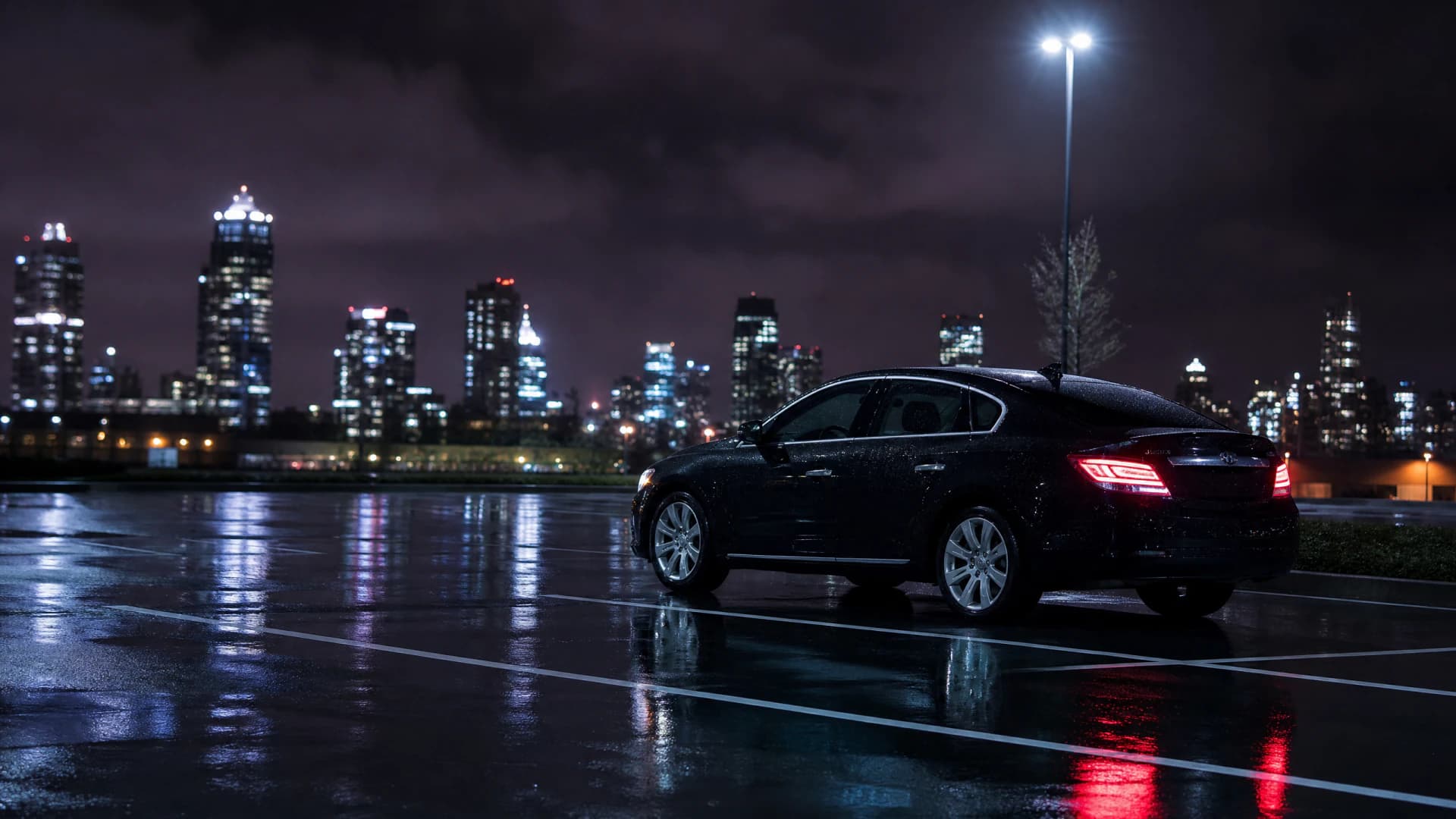
Drop collision or comprehensive on a financed car and the lender will buy forced-place insurance and add the cost to your loan balance.
Related Articles




Forced-Place Insurance Costs More and Covers Less
Collateral protection insurance premiums are higher than voluntary full coverage because the lender buys the policy without underwriting your individual risk. The premium reflects the lender's portfolio risk, not your driving record or vehicle. You pay for a policy you did not choose, at a rate higher than you would pay if you shopped for coverage yourself.
The premium is added to your loan balance and accrues interest at your loan's annual percentage rate.
Collateral protection insurance does not satisfy Texas liability requirements. You still need a separate liability policy to drive legally. If you drive without liability coverage and are stopped, you face a fine of up to $1,000 for a first offense and suspension of your vehicle registration. The lender's forced-place policy does nothing to prevent that outcome.
23,291,638
Registered Vehicles in Texas
Texas has 23,291,638 registered motor vehicles as of 2022. A large share are financed, and every financed vehicle carries a lender requirement for full coverage. Dropping coverage on any of them triggers the forced-place process.
Federal Highway Administration, Highway Statistics 2022
When You Can Drop Full Coverage
You can drop collision and comprehensive coverage once the loan is paid in full. Until then, the lender's lien remains on the title and the contract requirement stays in force. Paying off the loan releases the lien, and the lender no longer has an interest in how you insure the vehicle. At that point, you can carry liability only if you choose.
Some borrowers consider dropping full coverage when the vehicle's value falls below the loan balance. This is called being upside down on the loan. If the car is totaled, collision coverage pays only the vehicle's actual cash value, which may be less than what you owe. Gap insurance covers the difference, but if you do not have gap coverage, you remain responsible for the shortfall. Dropping collision and comprehensive in this situation does not eliminate the loan obligation. You still owe the full balance, and the lender will still force-place coverage to protect their collateral.
Compare Carriers That Write Full Coverage for Financed Vehicles
Premiums for full coverage vary widely across carriers. State Farm, GEICO, Progressive, Allstate, and USAA all write full coverage in Texas and accept financed vehicles. Each carrier prices collision and comprehensive differently based on your vehicle's value, your ZIP code, your driving record, and your coverage selections. A rate that works for one household may not work for another, even with identical vehicles and coverage limits.
When you finance a second or third vehicle, adding it to an existing policy typically costs less than starting a separate policy. Most carriers apply a multi-car discount when you insure more than one vehicle on the same policy. The discount reduces the per-vehicle premium, and combining policies simplifies lender verification because all vehicles appear on one declarations page. Compare quotes with every vehicle you plan to insure included in the quote request. Carriers price multi-vehicle policies as a package, and the combined rate often beats the sum of individual policies.
How Lenders Verify Coverage and Enforce the Requirement
Your carrier reports your policy status to the lender electronically. When you buy the policy, the agent or carrier adds the lender as a loss payee and an interested party. The lender receives a copy of your declarations page showing coverage types, limits, deductibles, and the policy term. If you cancel the policy, reduce coverage, or let it lapse, the carrier notifies the lender immediately. Most lenders receive these notifications within 24 to 48 hours.
Once notified, the lender sends a demand letter requiring proof of coverage within 10 to 15 days. If you do not provide proof, the lender purchases collateral protection insurance and charges the premium to your loan balance. Collateral protection insurance covers only the lender's interest in the vehicle. It does not cover your liability, your injuries, or damage you cause to another vehicle. You remain personally liable for those losses, and you pay a premium for coverage that protects only the lender.
Get Your Free Quote
Get My Texas Car Insurance QuoteFrequently Asked Questions
Does Texas require full coverage on a financed car?
No. Texas requires $30,000/$60,000/$25,000 liability on every registered vehicle. The full-coverage requirement comes from your loan contract, not state law. The lender requires collision and comprehensive to protect their collateral.
What happens if I drop full coverage on a financed car in Texas?
The lender receives notification from your carrier within 24 to 48 hours. They send a demand letter requiring proof of coverage within 10 to 15 days. If you do not provide proof, the lender buys collateral protection insurance and adds the premium to your loan balance.
Can I carry liability only on a financed car once the value drops?
Not while the loan is active. The lender's contract requirement stays in force until the loan is paid in full. The vehicle's value does not change the contract terms. Drop coverage and the lender will force-place insurance regardless of the car's depreciation.
Does forced-place insurance satisfy Texas liability requirements?
No. Collateral protection insurance covers only the lender's interest in the vehicle. It does not cover your liability, your injuries, or damage you cause to another vehicle. You still need a separate liability policy to drive legally in Texas.
When can I drop collision and comprehensive on a financed car?
Once the loan is paid in full. Paying off the loan releases the lender's lien, and the contract requirement ends. At that point, you can carry liability only if you choose.
How do lenders verify that I have full coverage?
Your carrier reports your policy status to the lender electronically. The lender is listed as a loss payee and interested party on your policy. If you cancel, reduce coverage, or let the policy lapse, the carrier notifies the lender immediately.