
Updating Your Address on Texas Car Insurance — Texas
Free to compare
When Your Garaging Address No Longer Matches Your Policy
You moved to a new city, bought a second property where one of your cars now stays overnight, or a household member relocated with their vehicle to a different address. Your carrier issued the policy based on where each car is garaged—the address where it parks overnight most of the time—and that address determines your rate. When the actual garaging location changes but the policy still lists the old address, you are driving with incorrect information on file. Texas carriers can deny a claim if the garaging address on your policy does not match where the vehicle actually parks.
This is not a formality you can delay until renewal. Most carriers require notification within 10 days of an address change, and some specify that coverage at the new location is not guaranteed until the carrier confirms the update and issues an amended policy. If you insure multiple vehicles on one policy, updating the address for one car triggers a re-rating of the entire policy, because garaging location affects every vehicle's premium. The multi-car discount remains intact as long as all vehicles stay on the same policy and garage at addresses the carrier approves, but the base rate for each car will shift to reflect the new location's risk profile.
“A claim filed from an address that does not match your policy gives the carrier grounds to deny coverage, even if premiums are current.”

See What Texas Drivers Pay for the Coverage They Need
Get My Texas Car Insurance Quote10 days
Texas Address Update Window
Most Texas carriers require policyholders to report an address change within 10 days of the move. Missing this window does not automatically void coverage, but it creates a documented gap between your actual garaging location and the address on file, which carriers use to deny claims or rescind coverage retroactively.
Standard policy terms, major Texas carriers
What Counts as a Garaging Address Change
The garaging address is the location where each vehicle parks overnight most nights of the year. It is not your mailing address, your registration address, or the address on your driver license—it is the physical location where the car sits when not in use. If you moved your primary residence and all your vehicles moved with you, that is a straightforward address change. If you bought a second home and one vehicle now garages there while the others stay at your original address, that vehicle needs its garaging address updated separately.
A household member who takes a car to college, moves to a new apartment, or relocates for work creates the same situation: the vehicle's garaging address changed, even though you still own the car and it remains on your policy. Texas carriers price each vehicle based on its own garaging ZIP code, so a car that moved from a suburban area to downtown Houston or from a rural county to Dallas will re-rate to reflect the new location's theft rate, accident frequency, and claims history.
Seasonal moves—spending winters in South Texas and summers in the Panhandle—do not require an address update if the vehicle returns to its primary garaging location for more than half the year. But if the pattern shifts and the car now spends most nights at the second property, that second property becomes the garaging address and must be reported.
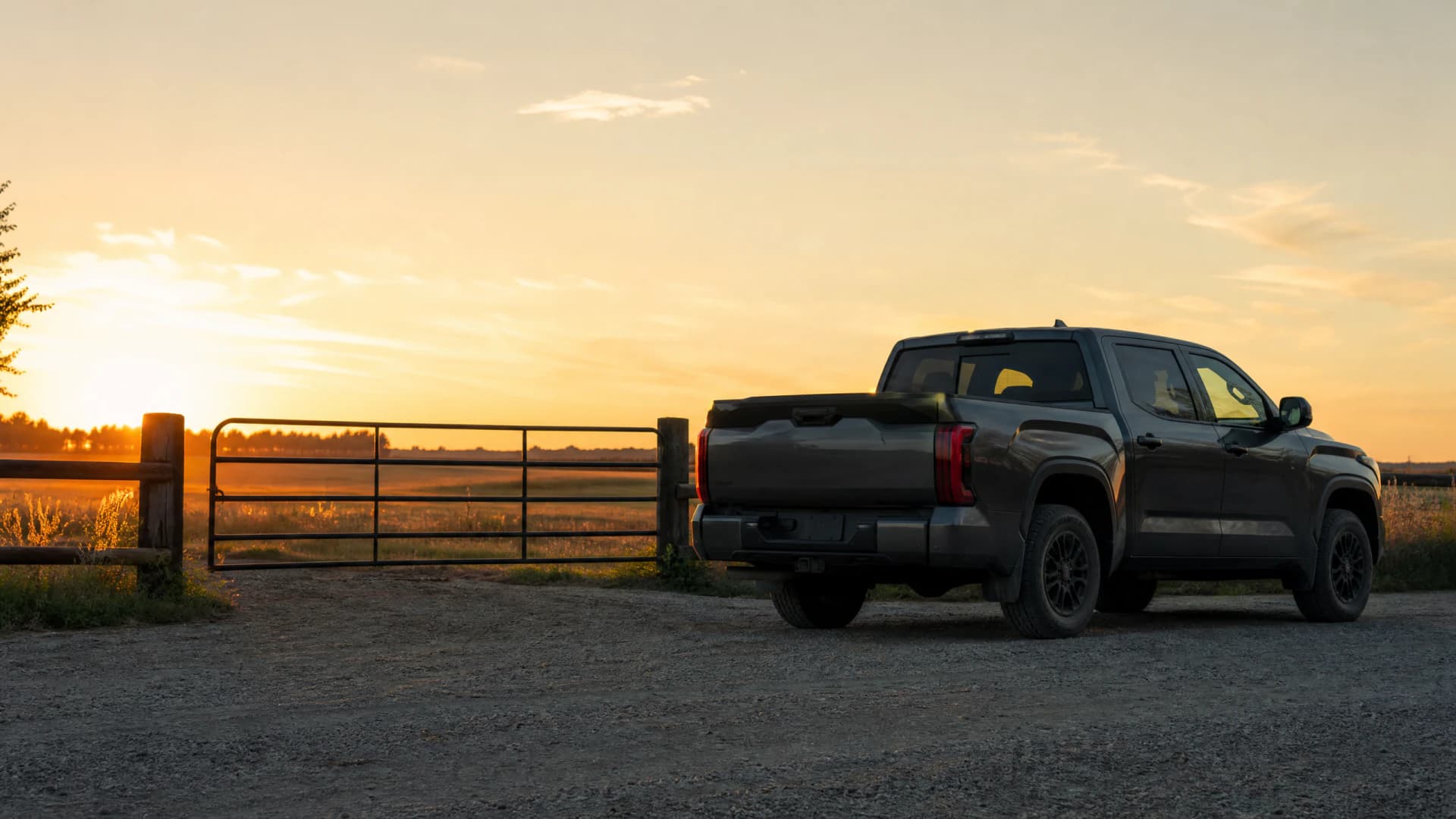
A claim filed from an address that does not match your policy's garaging location gives the carrier grounds to deny coverage, even if premiums are current and the policy is active.
Related Articles
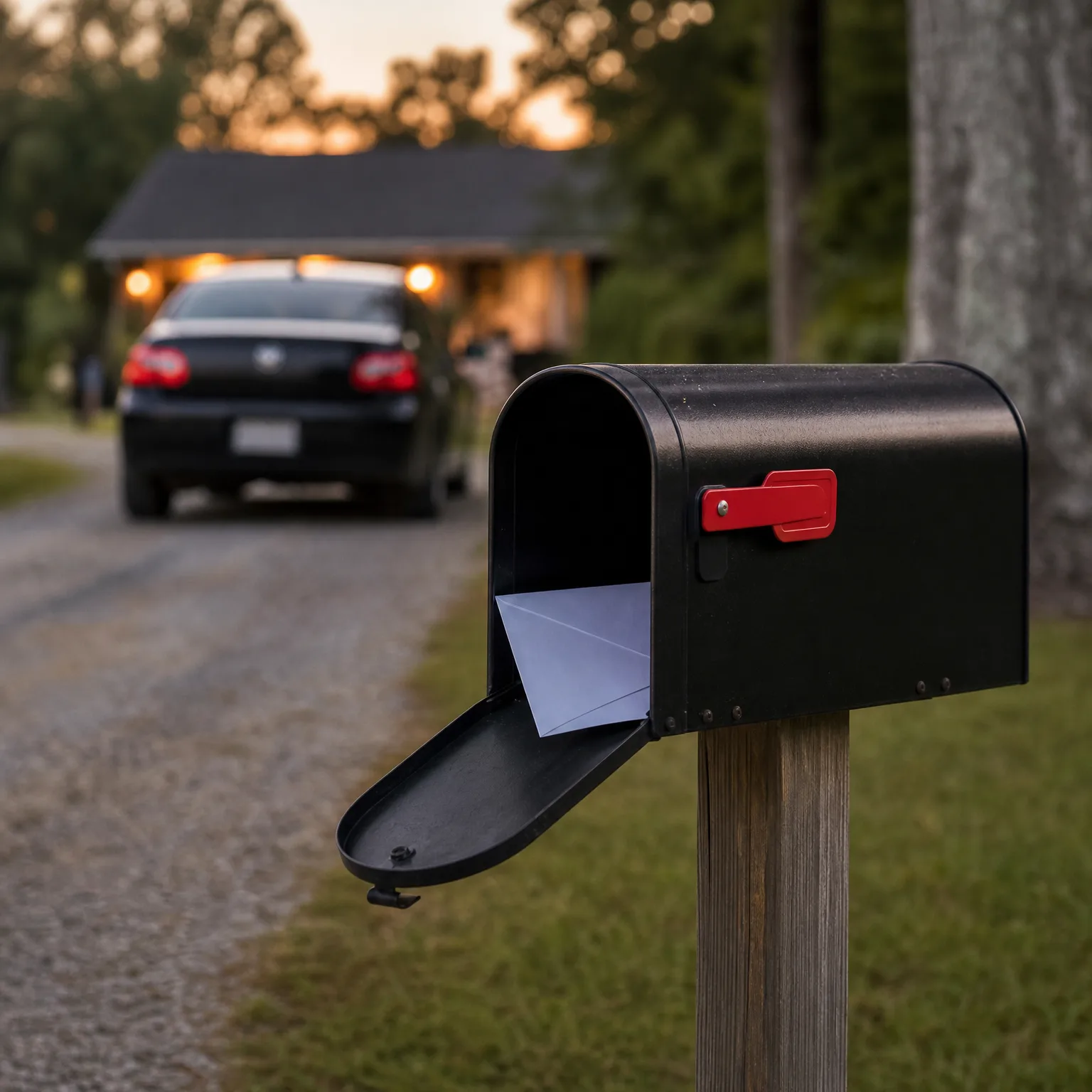


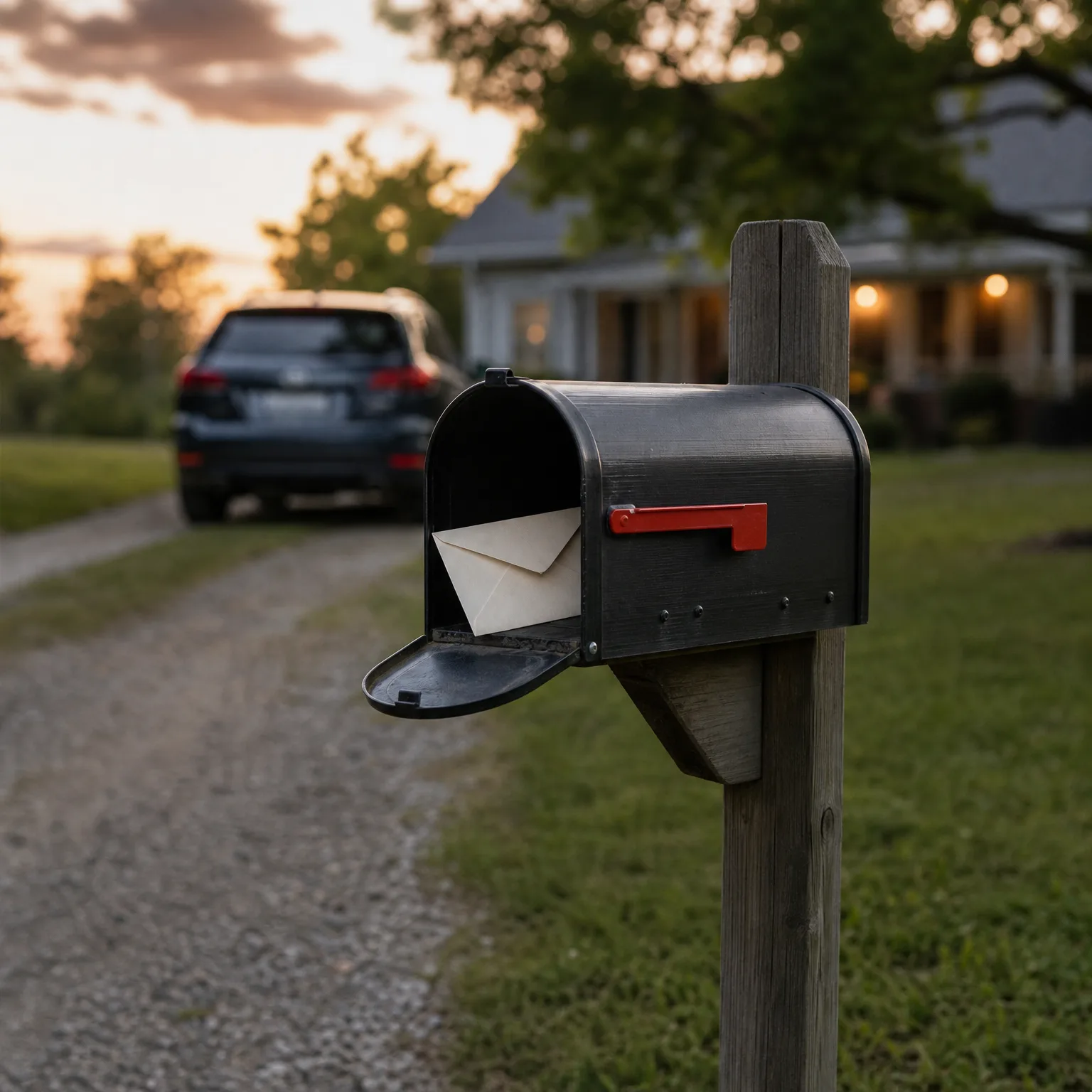


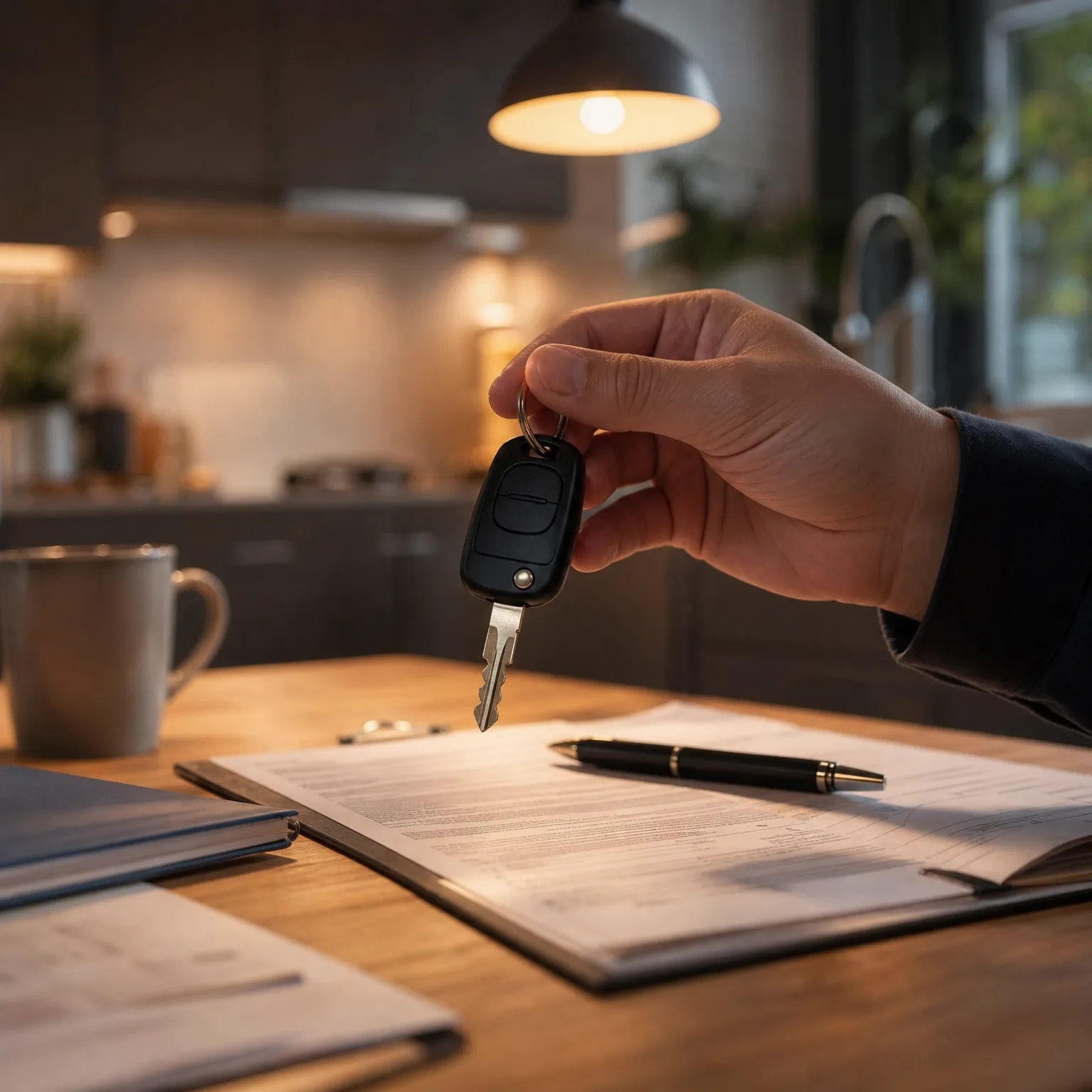
How Address Changes Affect Multi-Car Policies and Discounts
The multi-car discount applies when every vehicle on the policy garages at an address the carrier approves, and most carriers require all vehicles to garage at the same address or at addresses within the same household. If you update one vehicle's garaging address to a location outside the household—such as a college student's apartment or a second home in a different city—the carrier may remove that vehicle from the multi-car discount or require you to move it to a separate policy.
When all vehicles remain at the same address or within the same household structure, the multi-car discount stays in place, but the base rate for each car adjusts to reflect the new location. Moving from a rural county to a metropolitan area typically increases the rate for every vehicle on the policy, because urban areas have higher theft rates, more frequent accidents, and higher claims costs. Moving from a high-density city to a suburban or rural area usually decreases the rate, though the size of the change depends on the specific ZIP codes involved.
If a household member moved with a car and you want to keep that vehicle on your policy, confirm with your carrier that the new garaging address qualifies for the multi-car discount. Some carriers allow vehicles garaged at different addresses to remain on one policy as long as the addresses belong to the same household—defined as a parent and dependent child, or spouses who maintain two residences. Other carriers require every vehicle to garage at the same address to qualify for the discount. If the carrier will not extend the discount to the new address, you may save more by moving that vehicle to its own policy and re-rating the remaining vehicles as a smaller multi-car group.
$30,000 / $60,000 / $25,000
Texas Minimum Liability Limits
Texas requires $30,000 bodily injury per person, $60,000 bodily injury per accident, and $25,000 property damage. These minimums apply to every vehicle on your policy, regardless of garaging address. When you update an address and the carrier re-rates your policy, confirm that every vehicle still carries at least these limits.
Texas Department of Public Safety
What Happens If You Do Not Update Your Address
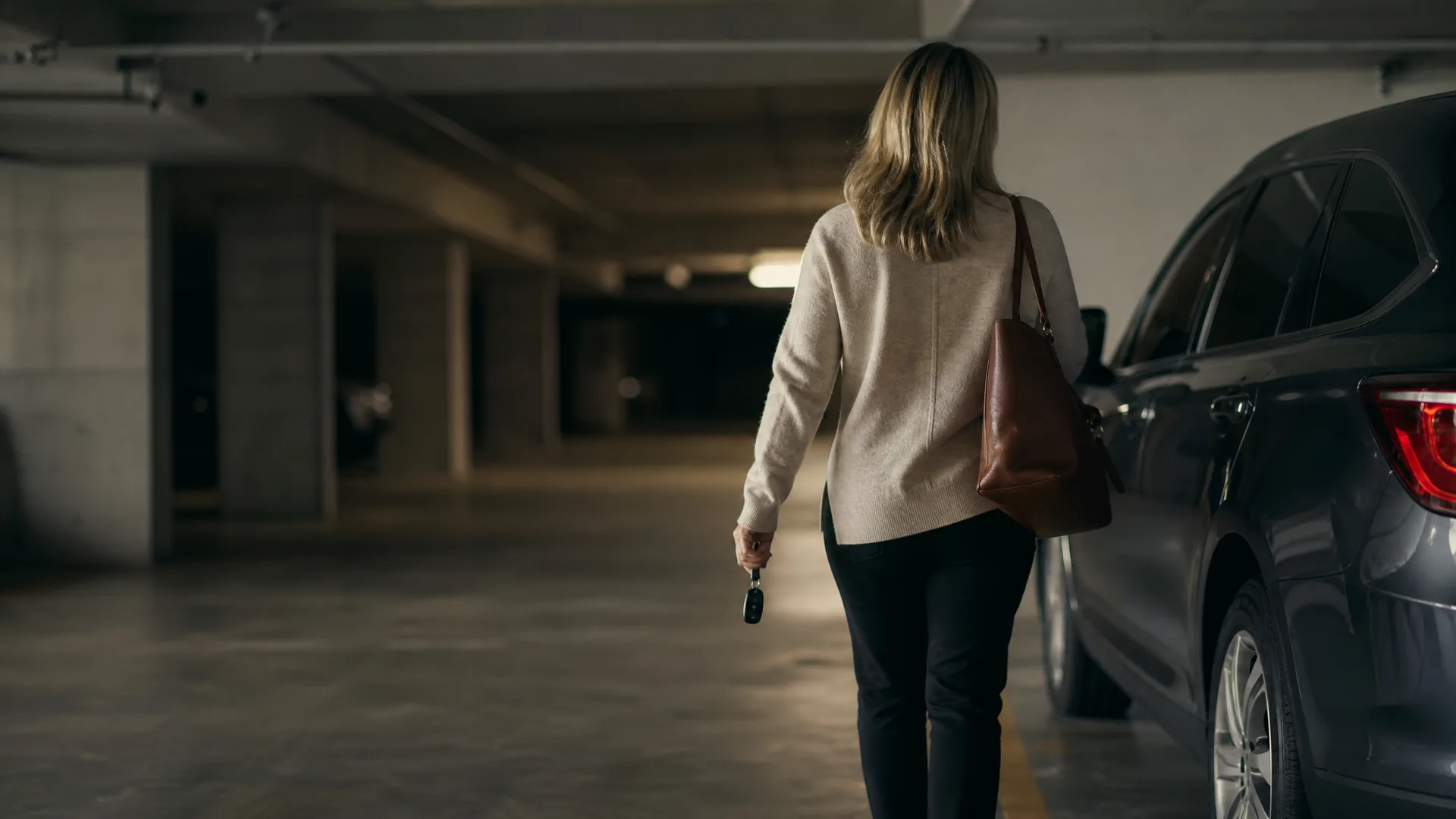
If you move and do not update your garaging address, your policy remains in force and your premiums continue on the original schedule. But the address on file no longer matches where your vehicles actually park, and that mismatch creates a coverage gap the carrier can exploit at claim time. Texas carriers investigate the garaging location after every claim, especially theft and collision claims. If the carrier determines the vehicle was garaged at an address different from the one on the policy, the carrier can deny the claim on the grounds that the risk was misrepresented.
The carrier can also rescind coverage retroactively, refund your premiums, and cancel the policy effective from the date you moved. This leaves you uninsured for the period between the move and the cancellation, and if you were involved in an accident during that window, you have no coverage and no legal recourse. Texas law does not require carriers to cover claims filed from addresses not listed on the policy, and courts consistently uphold claim denials when the policyholder failed to report an address change within the notification window specified in the policy terms.
Compare Carriers After You Update Your Address
Once your carrier processes the address update and you see the new premium, compare that rate against quotes from other carriers writing in your new location. Address changes often shift your risk profile enough that a carrier who was competitive at your old address is no longer the best option at the new one, and a carrier you did not consider before may now offer a lower rate for the same coverage. Texas has 25 carriers writing multi-car policies statewide, and each prices location risk differently based on their own claims data and underwriting models.
Request quotes from at least three carriers, and provide the new garaging address for every vehicle on your policy. Make sure each quote reflects the same coverage limits, deductibles, and discounts you currently carry, so you are comparing equivalent policies. If your current carrier increased your rate significantly after the address update, switching to a carrier with a better rate at your new location can offset the increase and sometimes lower your total cost below what you paid at your old address. Use the comparison tool to see which carriers write policies at your new garaging location and request quotes directly.
How to Update Your Address with Your Texas Carrier
Log in to your carrier's online portal or mobile app and navigate to the policy details section. Look for an option labeled "Update Address," "Change Garaging Location," or "Edit Policy Information." Enter the new address for each vehicle that moved. If only one vehicle on a multi-car policy changed locations, update only that vehicle's garaging address—the system will re-rate that car and leave the others at their current addresses. If you moved your household and all vehicles relocated together, update the primary policy address, which will apply to every vehicle unless you specify otherwise.
Submit the change and wait for the carrier to generate an amended policy or endorsement. Most carriers process address updates within one business day and send confirmation by email or through the app. Review the new premium carefully: your rate will reflect the new location's risk factors, and the total policy cost may increase or decrease depending on whether you moved to a higher-risk or lower-risk area. If the new address triggers a rate increase you were not expecting, call your agent or the carrier's customer service line to confirm the calculation and ask whether any discounts—such as the multi-car discount or a homeownership discount—still apply at the new location.
Get Your Free Quote
Get My Texas Car Insurance QuoteFrequently Asked Questions
Do I need to update my address with my car insurance if I move within the same city?
Yes. Your rate is based on the specific ZIP code where each vehicle garages, and moving even a few miles within the same city can shift your rate if the new location has different theft or accident patterns. Report the new address within 10 days to avoid claim denial.
Will my multi-car discount disappear if one vehicle moves to a different address?
It depends on your carrier's rules. Most carriers allow vehicles garaged at different addresses to stay on one policy and keep the multi-car discount if the addresses belong to the same household, such as a parent and college student. If the new address does not qualify, the carrier may remove that vehicle from the discount or require a separate policy.
Can my carrier deny a claim if I forgot to update my garaging address?
Yes. Texas carriers investigate garaging location after every claim, and if the vehicle was parked at an address not listed on your policy, the carrier can deny the claim and rescind coverage retroactively. Courts uphold these denials when the policyholder missed the notification window.
How long does it take for my carrier to process an address change?
Most Texas carriers process address updates within one business day and send confirmation by email or app notification. The new rate takes effect immediately and appears on your next billing cycle.
Does updating my address affect my coverage limits or deductibles?
No. Your coverage limits, deductibles, and policy structure stay the same unless you request changes. Only the premium adjusts to reflect the new location's risk factors. Confirm that every vehicle still carries at least Texas's $30,000/$60,000/$25,000 minimum liability limits after the update.
What counts as a garaging address if I have two homes?
The garaging address is the location where the vehicle parks overnight most nights of the year. If a car spends more than half the year at your second home, that second home is the garaging address and must be listed on the policy.