Uninsured and Underinsured Motorist Coverage

Uninsured and underinsured motorist coverage pays for your injuries and vehicle damage when the at-fault driver has no insurance or insufficient coverage limits to cover your losses. In Texas, carriers must offer this coverage but you can decline it in writing — a decision that leaves you financially exposed if an uninsured driver hits you.

Two vehicles in minor collision at dusk on suburban street with streetlights and buildings in background

Updated July 2026

What Is Uninsured and Underinsured Motorist Coverage Insurance?

Uninsured motorist coverage pays when a driver with no insurance injures you or damages your vehicle. Underinsured motorist coverage activates when the at-fault driver carries liability insurance but their limits are too low to cover your medical bills, lost wages, or repair costs. Both coverages protect you from paying out-of-pocket for someone else's mistake when their insurance is absent or inadequate. Your UM/UIM policy steps in after the at-fault driver's liability limits are exhausted or confirmed nonexistent.
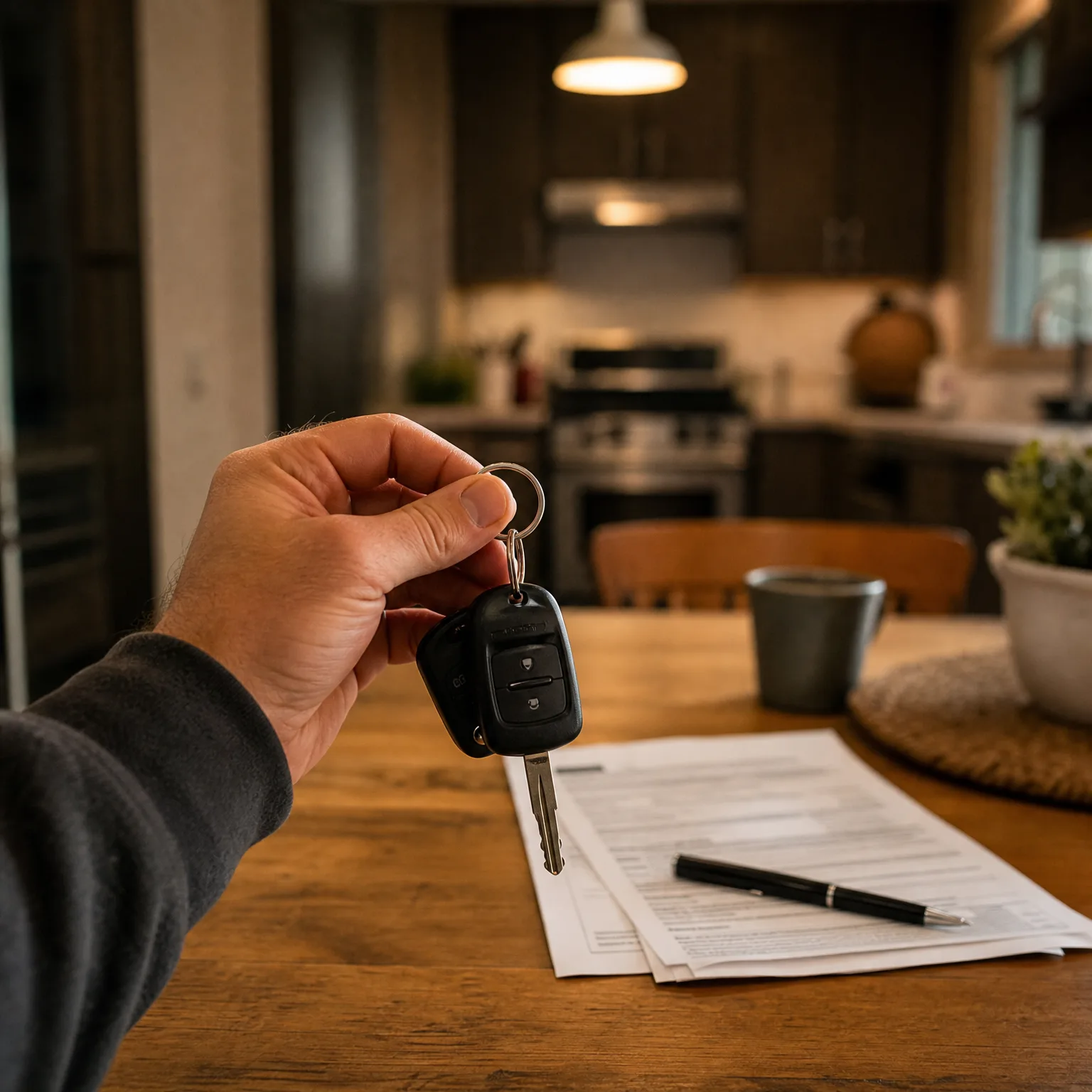
  • A driver with no insurance rear-ends you at a stoplight. You have $8,000 in medical bills and $4,500 in vehicle damage. The at-fault driver has no liability coverage to pay your claim. Your uninsured motorist coverage pays the full $12,500, minus your deductible if your policy includes one. Without UM coverage, you pay the entire amount yourself or sue the uninsured driver, who likely has no assets to collect.
  • A driver with minimum Texas liability limits of $30,000 per person causes a collision that results in $75,000 in your medical expenses and lost income. Their liability policy pays the $30,000 maximum. Your underinsured motorist coverage pays the remaining $45,000, up to your UIM policy limit. If you carry $100,000 in UIM coverage, you're fully covered. If you declined UIM or carry only $30,000, you absorb the $45,000 gap.
  • A driver sideswibes your car and flees. You have $6,000 in damage and witnesses who saw the collision but couldn't capture the license plate. Your uninsured motorist property damage coverage pays the repair cost, minus your deductible. Without UMPD coverage, you file under your collision coverage if you carry it, or pay out-of-pocket if you don't.

Who Needs Uninsured and Underinsured Motorist Coverage Insurance?

Carry UM/UIM if you drive in Texas, where roughly 14 percent of drivers have no insurance and many more carry only the state minimum $30,000 per person liability limit. If a serious collision results in $80,000 in medical bills and the at-fault driver carries minimum coverage, you're left with a $50,000 gap unless your UM/UIM policy covers it. Drivers with significant assets, high medical costs, or family members who rely on their income should match their UM/UIM limits to their liability limits.
Compare the annual UM/UIM premium to your out-of-pocket risk if an uninsured driver injures you or totals your car. If the premium is $180 per year and your health insurance deductible is $5,000, UM/UIM pays for itself in a single moderate collision. Check your county's uninsured driver rate — if it's above 10 percent, the odds justify the cost. Match your UM/UIM limits to your liability limits to avoid coverage gaps.

How Much Does Uninsured and Underinsured Motorist Coverage Insurance Cost?

UM/UIM coverage typically adds $8 to $20 per month to your Texas premium, or roughly $96 to $240 annually, depending on your selected limits and whether you stack coverage across multiple vehicles.
  • Your UM/UIM coverage limits — matching your liability limits costs more than selecting lower UM/UIM limits, but eliminates gaps when an underinsured driver's policy maxes out below your loss amount.
  • Stacking election — stacked UM/UIM multiplies your per-vehicle limit by the number of insured vehicles on your policy, increasing both your protection and your premium by 20 to 40 percent.
  • Uninsured driver rate in your county — areas with higher percentages of uninsured motorists see higher UM/UIM premiums because the likelihood of a claim increases.
  • Your liability limits — carriers price UM/UIM as a percentage of your liability coverage, so higher liability limits result in higher UM/UIM premiums even if you select matching UM/UIM limits.
  • Deductible selection for UMPD — choosing a $250 or $500 deductible for uninsured motorist property damage lowers your premium compared to a zero-deductible UMPD policy.

Related Coverage Types

Get Your Free Uninsured and Underinsured Motorist Coverage Quote