
Full Coverage Car Insurance Cost — Texas
Free to compare
What Full Coverage Means for Texas Households
You're deciding whether to carry full coverage on your household's vehicles or stick with Texas minimum liability. The term "full coverage" is not a legal product — it's shorthand for a policy that combines the state's required liability minimums with comprehensive and collision coverage that pays for damage to your own vehicles. Texas requires $30,000 bodily injury per person, $60,000 per accident, and $25,000 property damage, but those minimums cover only what you do to others. Full coverage adds protection for what happens to your cars.
The decision gets more complex when you're insuring multiple vehicles. Comprehensive and collision are priced per vehicle based on each car's value, age, and repair cost. Adding full coverage to a household policy with three cars re-rates the entire policy differently than adding it to a single-car policy, because the carrier underwrites the combined risk and vehicle portfolio together. Understanding how full coverage works across multiple vehicles helps you structure coverage that fits your household's actual exposure without overpaying for protection you don't need.
“Adding full coverage to multiple vehicles re-rates the entire policy based on each car's value, not just the vehicle you're upgrading.”

See What Texas Drivers Pay for the Coverage They Need
Get My Texas Car Insurance Quote$30,000 / $60,000 / $25,000
Texas Minimum Liability Limits
Texas requires $30,000 bodily injury per person, $60,000 per accident, and $25,000 property damage. These minimums cover damage you cause to others, not damage to your own vehicles. Full coverage adds comprehensive and collision on top of these required minimums.
Texas Department of Public Safety
Full Coverage Adds Two Components to State Minimums
Full coverage in Texas means you carry the state's liability minimums plus comprehensive and collision coverage. Comprehensive pays for damage to your vehicle from events other than collisions: theft, vandalism, hail, flood, fire, and animal strikes. Collision pays for damage from crashes with other vehicles or objects, regardless of who caused the accident. These two coverages together protect the value of your own cars, which liability alone does not.
Each vehicle on your policy can carry different coverage. You might carry full coverage on a newer financed car and liability-only on an older paid-off vehicle. The carrier prices comprehensive and collision separately for each car based on its make, model, year, value, and repair cost. A 2022 pickup and a 2015 sedan on the same policy will have different comprehensive and collision premiums even though they share the same liability base.
Lenders require full coverage on financed and leased vehicles until the loan is paid off. Once you own a car outright, the decision to carry comprehensive and collision becomes yours. The rule of thumb: if the vehicle's value is low enough that you could replace it out of pocket, dropping comprehensive and collision may make sense. If losing the car would create financial hardship, full coverage is worth carrying.
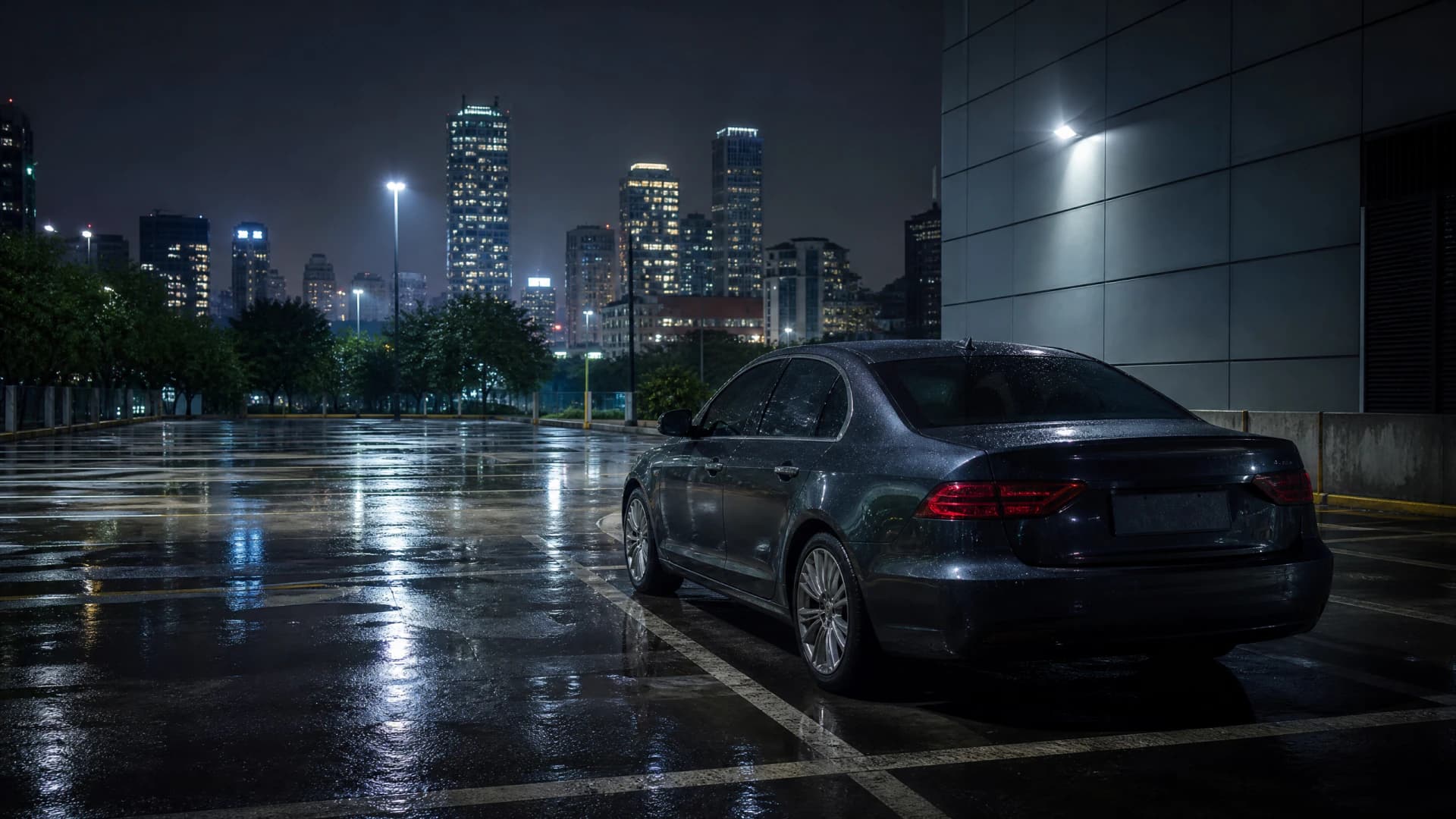
Adding full coverage to multiple vehicles re-rates the entire policy based on each car's value and risk profile, not just the vehicle you're upgrading.




Deductibles Control Your Out-of-Pocket Exposure
Comprehensive and collision each carry a deductible: the amount you pay out of pocket before the carrier pays a claim. Common deductibles are $500 or $1,000, though carriers offer other amounts. A higher deductible lowers your premium because you're taking on more of the risk yourself. A lower deductible raises your premium but reduces what you pay at claim time.
You can set different deductibles for comprehensive and collision, and you can set different deductibles for each vehicle on your policy. Many households choose a higher deductible on older vehicles and a lower deductible on newer financed cars. The deductible you choose should match what you can afford to pay out of pocket if a claim happens. Choosing a $1,000 deductible to save premium only works if you have $1,000 available when your car is damaged.
Deductibles apply per claim, not per year. If you file three comprehensive claims in one year, you pay the deductible three times. This is why minor damage below your deductible amount is typically paid out of pocket rather than filed as a claim. Filing small claims can trigger rate increases that cost more over time than paying the repair yourself.
14.5%
Texas Uninsured Motorist Rate
Nearly 15% of Texas drivers carry no insurance. If an uninsured driver hits your vehicle, your collision coverage pays for your car's damage regardless of fault. Without collision, you're left pursuing the at-fault driver directly, which often recovers nothing.
Insurance Information Institute, 2023
When Full Coverage Makes Sense Across Multiple Vehicles
Full coverage is worth carrying when losing a vehicle would create financial hardship your household cannot absorb. If you're financing or leasing any car, full coverage is required by the lender. If you own your vehicles outright, the decision depends on each car's value and your household's financial position. A common threshold: if the vehicle's value is less than ten times the annual cost of comprehensive and collision, consider dropping those coverages and self-insuring the vehicle's value.
For households with multiple vehicles, the calculus changes slightly because the multi-car discount lowers the per-vehicle cost of full coverage. A second or third car's comprehensive and collision premium is cheaper on a multi-car policy than it would be standalone. This makes full coverage more affordable across a household fleet than it would be if each car were insured separately. However, the discount does not change the underlying question: can you afford to replace each vehicle if it's totaled, or does the coverage cost less than the financial risk of losing the car?
Compare Carriers That Write Multi-Vehicle Policies in Texas
Full coverage pricing varies significantly by carrier, even for the same vehicles and drivers. Some carriers price comprehensive and collision more aggressively for newer vehicles; others offer better rates for older paid-off cars. The multi-car discount also varies: some carriers apply a larger discount when you insure three or more vehicles, while others cap the discount at two. Comparing quotes from multiple carriers that write multi-vehicle policies in Texas is the only way to find the structure that fits your household's vehicle portfolio and budget.
When you compare quotes, request identical coverage limits and deductibles from each carrier so you're comparing equivalent policies. Ask each carrier how they apply the multi-car discount and whether adding a third or fourth vehicle increases the discount further. Some carriers tier their multi-car discount by vehicle count; others apply a flat percentage regardless of how many cars you insure. Understanding how each carrier structures the discount helps you choose the one that rewards your household size most effectively. Use the site's comparison tool to request quotes from carriers licensed to write multi-vehicle policies in Texas and see how full coverage pricing differs across your household's specific vehicles.
How Full Coverage Re-Rates a Multi-Vehicle Policy
Comprehensive and collision are priced per vehicle based on the car's actual cash value, the cost to repair or replace it, and the likelihood of a claim. A newer vehicle with a high replacement cost will carry a higher comprehensive and collision premium than an older vehicle with a lower value. The carrier also factors in where the car is garaged, because theft rates and weather risk vary by ZIP code within Texas. A vehicle garaged in a high-theft urban area will cost more to insure for comprehensive than the same vehicle garaged in a rural county.
When you're insuring multiple vehicles, the carrier applies the multi-car discount to the combined policy premium after calculating each vehicle's individual comprehensive and collision cost. This means adding full coverage to a second or third car on your policy costs less than adding it to a standalone policy, because the multi-car discount applies to the total. However, the discount does not eliminate the per-vehicle pricing — a high-value vehicle still costs significantly more to insure than a low-value one, even with the discount applied.
Get Your Free Quote
Get My Texas Car Insurance QuoteFrequently Asked Questions
Does full coverage in Texas include uninsured motorist coverage?
No. Full coverage typically means liability plus comprehensive and collision. Uninsured motorist coverage is optional in Texas and sold separately. It pays for your injuries when an uninsured driver hits you. Many households add it to full coverage policies because nearly 15% of Texas drivers carry no insurance.
Can I carry full coverage on one vehicle and liability-only on another?
Yes. Each vehicle on a multi-car policy can carry different coverage. You might insure a financed newer car with full coverage and an older paid-off vehicle with liability-only. The carrier prices each vehicle separately based on its coverage selections and value.
How does the multi-car discount apply to full coverage?
The multi-car discount applies to the total policy premium after the carrier calculates each vehicle's individual coverage cost. Full coverage on a second or third car costs less on a multi-car policy than it would standalone, because the discount reduces the combined premium. The discount does not eliminate per-vehicle pricing differences.
What happens if I drop comprehensive and collision mid-term?
You can drop comprehensive and collision anytime during your policy term. The carrier will refund the unused premium for those coverages on a pro-rata basis. Dropping coverage mid-term re-rates your policy immediately. If you're financing the vehicle, the lender will force-place coverage at a much higher cost and bill you for it.
Do I need full coverage on a vehicle I rarely drive?
It depends on the vehicle's value and whether you could replace it out of pocket. A rarely-driven vehicle still faces comprehensive risks like theft, hail, and vandalism. If the car's value is high enough that losing it would create financial hardship, full coverage is worth carrying regardless of how often you drive it.
How do deductibles work when I insure multiple vehicles?
Each vehicle on your policy can have its own deductible for comprehensive and collision. You pay the deductible per claim, not per vehicle. If two cars are damaged in the same incident, you pay two deductibles. Many households set higher deductibles on older vehicles and lower deductibles on newer financed cars.