
Car Insurance Rate Increase After Accident — Texas
Free to compare
Your Multi-Car Policy Re-Rates at Renewal
You added a claim to your record after an accident, and your household insures two or more vehicles on one policy. When your renewal notice arrives, the premium increase applies to the entire policy, not just the vehicle involved in the accident. Texas law does not cap how much carriers can raise rates after an at-fault accident, and carriers re-rate every vehicle and driver on the policy when one household member files a claim.
The multi-car discount you received when you combined vehicles on one policy remains in place, but the base rate for each vehicle rises. Some carriers reduce or remove the multi-vehicle discount tier after a claim, which compounds the increase. The result: a household with three cars can see the total annual premium rise more than a single-car household would, even though only one vehicle was in the accident.
“A household with three cars can see the total annual premium rise more than a single-car household would, even though only one vehicle was in the accident.”

See What Texas Drivers Pay for the Coverage They Need
Get My Texas Car Insurance Quote$30,000 / $60,000 / $25,000
Texas Minimum Liability Limits
Texas requires $30,000 bodily injury per person, $60,000 bodily injury per accident, and $25,000 property damage. Meeting these minimums does not prevent rate increases after a claim, but dropping below them after an accident triggers license suspension.
Texas Department of Public Safety
The Increase Hits Every Vehicle on the Policy
Carriers do not isolate the rate increase to the vehicle that had the accident. They re-rate the entire policy. If you insure three vehicles and one driver has an at-fault accident, all three vehicles move to a higher rate tier at renewal. The multi-car discount percentage may stay the same, but it now applies to a higher base rate for each vehicle.
Some carriers tier households by total claim history rather than per-vehicle history. An accident on one vehicle can move the entire household from a preferred tier to a standard or non-standard tier. When that happens, the household loses access to the lowest rate tier even for vehicles with clean records.
The compounding effect is structural. A household with two vehicles might see the total premium rise by one amount, but a household with four vehicles on the same policy sees the same per-vehicle increase applied four times. The more vehicles you insure together, the larger the total dollar increase, even though the accident involved only one car.
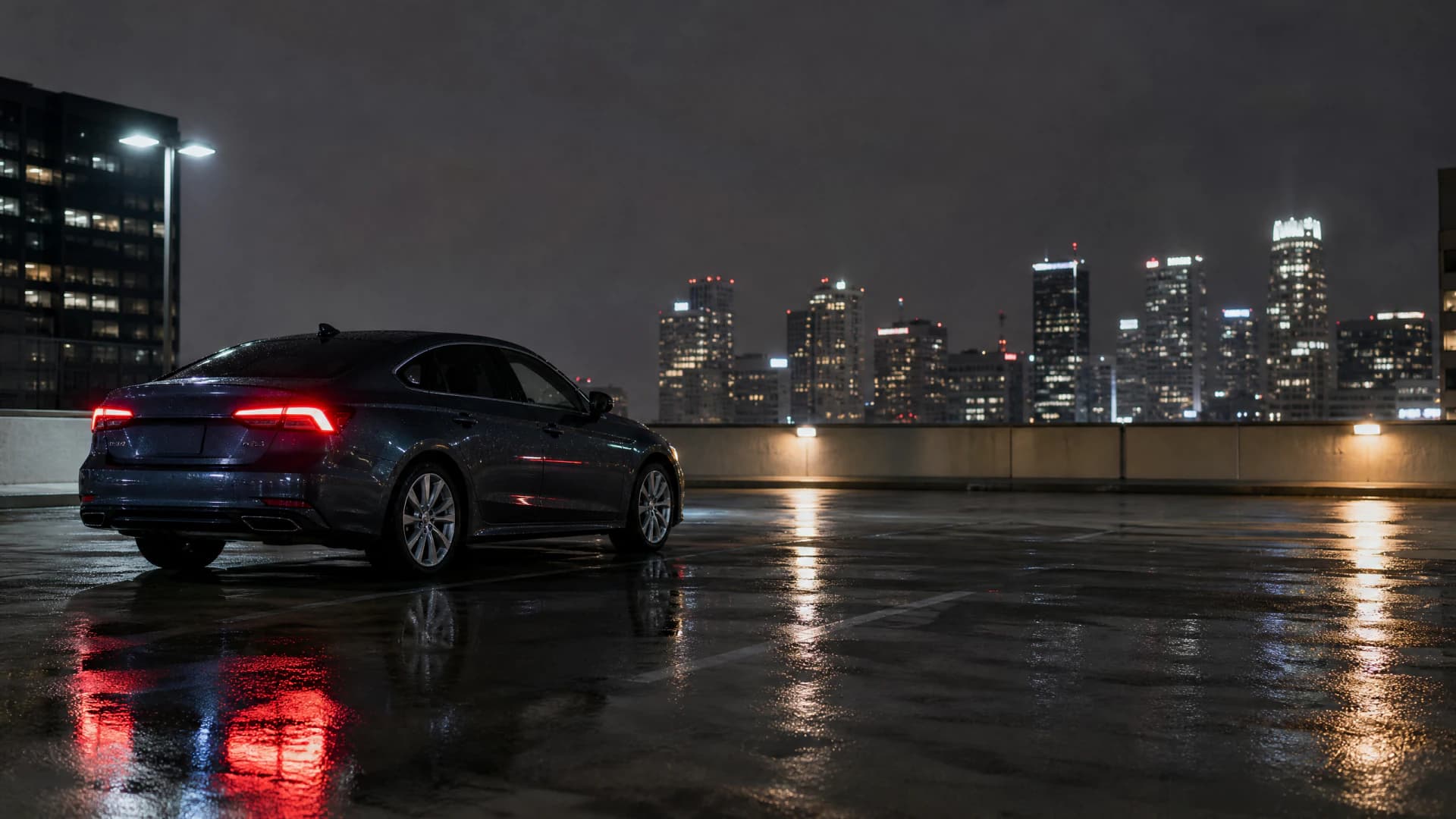
Texas carriers re-rate your entire multi-car policy at renewal after one driver's accident, and some carriers reduce or remove the multi-vehicle discount tier when a claim appears.

When the Multi-Vehicle Discount Shrinks or Disappears
Not every carrier handles the multi-vehicle discount the same way after an accident. Some carriers keep the discount percentage unchanged and apply it to the new higher base rate. Others reduce the discount percentage when a claim appears, which means the household pays more per vehicle than it would if the discount had stayed constant. A few carriers remove the multi-vehicle discount entirely for households with recent at-fault accidents, though this is less common.
The structural problem: a household with three vehicles that loses a 20 percent multi-vehicle discount pays the new higher base rate without any multi-car savings. The total premium increase is the base rate increase plus the lost discount, compounded across every vehicle on the policy. This is why some Texas households with multiple cars see renewal increases that exceed what they expected based on single-car rate-increase estimates.
Carriers that write non-standard auto insurance in Texas often tier multi-vehicle discounts by claim history. A household with no claims receives the full multi-car discount; a household with one claim in the past three years receives a reduced discount; a household with two or more claims loses the discount. If your household falls into the reduced-discount tier after the accident, the renewal notice reflects both the base rate increase and the smaller discount.
14.5%
Texas Uninsured Motorist Rate
14.5 percent of Texas motorists drive without insurance. If an uninsured driver hits you and you file a claim under your uninsured motorist coverage, your carrier may still apply a rate increase at renewal, even though you were not at fault.
Insurance Information Institute, 2023

Compare Carriers Before Your Renewal Date
Texas law does not require carriers to keep you on the policy after an accident, and some carriers non-renew households with recent at-fault claims. If your carrier non-renews your policy, you receive notice at least 30 days before the renewal date. That gives you time to compare other carriers, but it also means you are shopping with an accident on your record, which limits your options.
Even if your carrier renews the policy, the rate increase may be large enough that switching carriers saves money. Carriers weigh accidents differently. One carrier may apply a 40 percent increase to the base rate; another may apply a 25 percent increase. The difference compounds across every vehicle on your policy. A household with three vehicles that switches to a carrier with a smaller increase can save hundreds of dollars per year, even after the accident.
Take Action Before the Renewal Notice Arrives
Request quotes from at least three carriers that write multi-vehicle policies in Texas before your renewal date. Provide the accident details to each carrier so the quote reflects your actual rate. Compare the total annual premium for all vehicles on the policy, not just the per-vehicle rate. Some carriers offer better multi-car discounts than others, and a carrier with a higher base rate but a larger multi-vehicle discount can end up cheaper for a household with three or more cars. Use the site's comparison tool to see which Texas carriers write policies for households with recent accidents and how they structure multi-vehicle discounts after a claim.
What Happens at Renewal After the Claim
Your carrier receives the accident report from the Texas Department of Public Safety or from the other driver's carrier if you filed a claim. The accident enters your record immediately, but the rate increase does not take effect until your policy renews. Most Texas households renew every six months, so the increase appears within six months of the accident date. If you filed a claim, the carrier applies the increase at the first renewal after the claim closes, not after the accident date.
At renewal, the carrier re-rates every vehicle and every driver on the policy. The accident appears on the primary driver's record, but the rate increase applies to the entire household. If you insure three vehicles and the accident was on one, all three vehicles move to the higher rate tier. The multi-car discount remains, but it now applies to a higher base rate. Some carriers reduce the discount percentage after a claim, which means the household loses part of the multi-vehicle savings on top of the base rate increase.
Get Your Free Quote
Get My Texas Car Insurance QuoteFrequently Asked Questions
Does a car insurance rate increase apply to all vehicles on a multi-car policy in Texas?
Yes. Texas carriers re-rate every vehicle on the policy at renewal after one driver has an at-fault accident. The rate increase applies to the entire household, not just the vehicle involved in the accident. A household with three vehicles sees the increase applied three times, which raises the total annual premium more than a single-car household would pay.
Can I lose my multi-car discount after an accident in Texas?
Some carriers reduce or remove the multi-vehicle discount after an at-fault accident. The discount percentage may shrink, or the household may lose the discount entirely if the carrier tiers discounts by claim history. A household that loses a 20 percent multi-car discount pays the new higher base rate without any multi-vehicle savings, which compounds the total increase.
How long does a car insurance rate increase last after an accident in Texas?
Most Texas carriers apply the rate increase for three to five years after the accident date. The increase appears at the first renewal after the claim closes and remains in effect until the accident drops off your record. After three years, some carriers reduce the surcharge; after five years, most carriers remove it entirely.
Will my carrier non-renew my policy after an accident in Texas?
Texas carriers can non-renew a policy after an at-fault accident, though most renew households with one claim. If your carrier non-renews, you receive notice at least 30 days before the renewal date. Households with two or more at-fault accidents in three years face higher non-renewal risk, especially if they carry only minimum liability coverage.
Should I switch carriers after an accident in Texas?
Compare quotes from at least three carriers before your renewal date. Carriers weigh accidents differently, and a carrier with a smaller rate increase can save a multi-car household hundreds of dollars per year. Provide the accident details to each carrier so the quote reflects your actual rate, and compare the total annual premium for all vehicles on the policy.