
Geico Multi-Car Rates — Texas
Free to compare
When Geico's Multi-Car Discount Matters
You own two cars, you're shopping Geico, and you want to know whether their multi-vehicle discount actually lowers your combined premium compared to keeping separate policies or switching to another carrier. Geico advertises a multi-car discount, but the discount percentage means nothing without knowing Geico's base rate for your household and how it compares to other carriers writing Texas multi-vehicle policies.
This article walks through how Geico structures multi-car policies in Texas, what the same-policy requirement means for households adding vehicles, and how to compare Geico's total premium against carriers like Progressive, State Farm, and Allstate when you're insuring multiple cars under one roof.
“A smaller discount on a lower base rate beats a larger discount on a higher one every time.”

See What Texas Drivers Pay for the Coverage They Need
Get My Texas Car Insurance Quote$30,000 / $60,000 / $25,000
Texas Minimum Liability Limits
Every vehicle on your Geico policy must carry at least these limits: $30,000 bodily injury per person, $60,000 per accident, and $25,000 property damage. Adding a second or third car does not change the per-vehicle minimum, but it does re-rate your entire policy.
Texas Department of Public Safety
Geico's Same-Policy Requirement
Geico's multi-car discount applies only when every vehicle you want covered sits on the same policy. A car titled to a household member on a separate Geico policy does not count toward your multi-vehicle discount. The discount triggers when you add a second vehicle to your existing policy, and it applies to both vehicles retroactively from the effective date of the addition.
If you bought a second car mid-term and added it to your Geico policy, your premium recalculates for the entire policy period, not just the remaining months. The multi-car discount reduces the per-vehicle rate, but adding the vehicle itself increases the total premium because you are now covering two cars instead of one.
Geico does not publish the exact discount percentage publicly, and the discount varies by state, vehicle type, and driver profile. What matters for comparison is the total premium Geico quotes for all your vehicles combined, not the discount percentage in isolation.
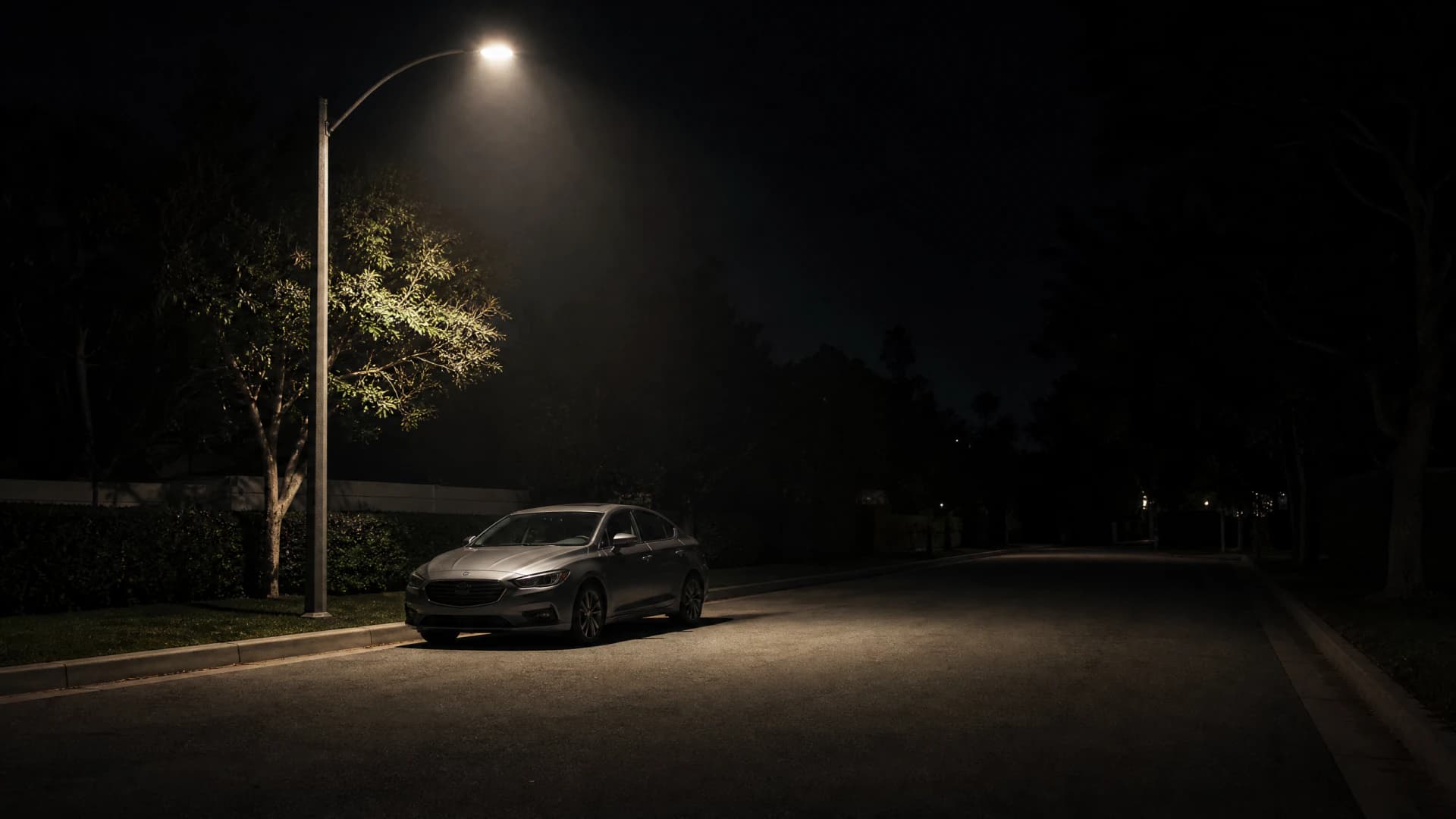
A smaller discount on a lower base rate can produce a lower total premium than a larger discount on a higher base rate. Compare total cost, not discount percentages.
Related Articles

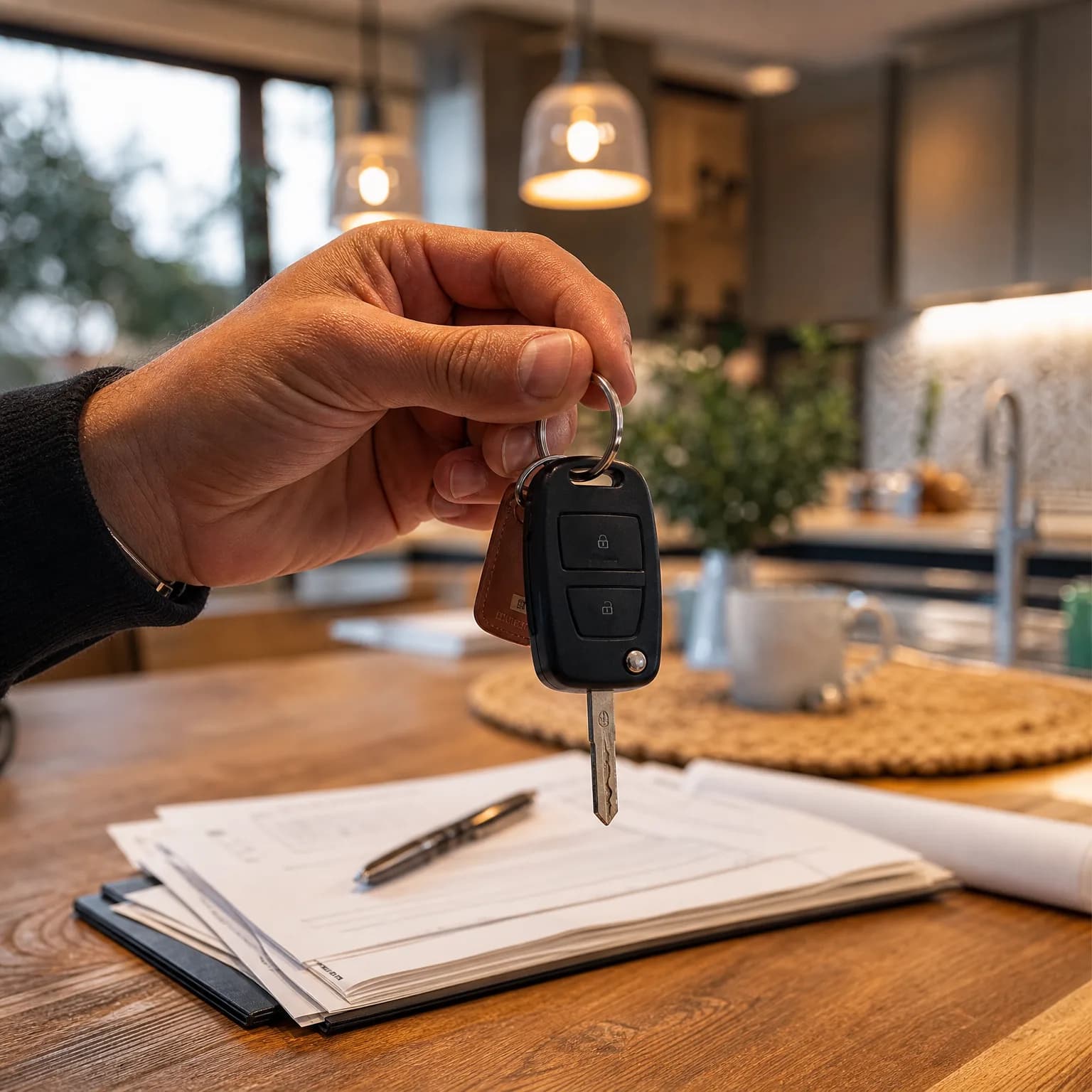





Comparing Geico to Other Texas Carriers
Texas has 25 major carriers writing multi-vehicle policies, including Progressive, State Farm, Allstate, USAA, Farmers, and Nationwide. Each carrier uses a different base rate formula and applies the multi-car discount differently. Geico's rate structure tends to favor households with clean driving records and newer vehicles, but that advantage disappears if your household includes a teen driver or a vehicle with a prior claim.
Progressive and State Farm both write multi-vehicle policies in Texas and offer online quoting. USAA restricts eligibility to military members and their families but often quotes lower than Geico for multi-car households that qualify. Allstate and Farmers require agent quotes in most Texas counties, which adds a step but sometimes surfaces discounts Geico does not offer.
The only way to know whether Geico's multi-car rate beats another carrier is to quote the same vehicles, same drivers, and same coverage limits side by side. Advertised discounts do not predict your actual premium because base rates vary widely by carrier and by household profile.
14.5%
Texas Uninsured Motorist Rate
Nearly 15% of Texas drivers carry no insurance, which means one in seven vehicles on the road cannot pay a claim if they hit you. Uninsured motorist coverage is optional in Texas but protects your household when the at-fault driver has no policy.
Insurance Information Institute, 2023
When Geico's Rate Structure Works Against You
Geico's multi-car discount does not override a high base rate. If Geico quotes a higher per-vehicle rate than another carrier before applying the discount, the discount may not close the gap. This happens most often when your household includes a driver under 25, a vehicle with a prior comprehensive claim, or a car garaged in a high-theft ZIP code.
Geico also does not offer the same bundling discounts as carriers that write home and auto together. State Farm and Allstate both reduce your auto premium when you add a homeowners or renters policy, and that bundling discount can exceed the multi-car discount in dollar terms. If you own your home or rent, compare the bundled total premium across carriers, not just the auto policy in isolation.
What to Do Right Now
Request a Geico quote for all vehicles you want to insure on one policy, then request quotes from at least two other carriers writing Texas multi-vehicle policies. Use the same coverage limits, same drivers, and same garaging address for every quote so you are comparing identical coverage. Pay attention to the total premium, not the discount percentage each carrier advertises.
If you already have a Geico policy and you are adding a second vehicle, call Geico before you buy the car to confirm the multi-car discount will apply and to get the new total premium in writing. Adding a vehicle online triggers the discount automatically, but calling confirms the effective date and prevents coverage gaps during the grace period. Compare that new total premium against quotes from other carriers before you commit to the addition.
How Geico Rates Multi-Vehicle Policies
Geico assigns each vehicle a base rate determined by the car's year, make, model, garaging ZIP code, and the primary driver's age and driving record. If you add a second car, Geico rates that car independently, then applies the multi-vehicle discount to both vehicles. The discount does not apply to one car and leave the other at full price; it reduces the per-vehicle rate across the entire policy.
When you add a vehicle mid-term, Geico re-rates your policy from the date you added the car forward. If you added the car three months into a six-month term, the new premium applies for the remaining three months, and your next renewal will reflect the full multi-car rate for the entire term. Removing a vehicle works the same way: Geico recalculates your premium and refunds the difference for the unused portion of the term.
Get Your Free Quote
Get My Texas Car Insurance QuoteFrequently Asked Questions
Does Geico's multi-car discount apply automatically when I add a second vehicle?
Yes. When you add a second vehicle to your existing Geico policy, the multi-car discount applies automatically to both vehicles from the effective date of the addition. You do not need to request the discount separately.
Can I get Geico's multi-car discount if my spouse has a separate Geico policy?
No. Geico's multi-car discount requires all vehicles to sit on the same policy. Two separate Geico policies in the same household do not qualify for the multi-vehicle discount, even if both policies are with Geico.
How much does Geico's multi-car discount save on a Texas policy?
Geico does not publish the exact discount percentage, and the amount varies by household profile, vehicle type, and location. The only way to know your savings is to request a quote for all vehicles on one policy and compare the total premium to separate policies or other carriers.
Does Geico require all vehicles to be garaged at the same address for the multi-car discount?
Yes. Geico's multi-car discount requires all vehicles on the policy to be garaged at the same address. A car garaged at a second address typically requires a separate policy, which disqualifies it from the multi-vehicle discount.
Can I add a vehicle to my Geico policy mid-term and still get the multi-car discount?
Yes. Adding a vehicle mid-term triggers the multi-car discount immediately, and Geico recalculates your premium from the date you added the car forward. Your next renewal will reflect the full multi-car rate for the entire term.
Does Geico's multi-car discount apply to motorcycles or RVs?
Geico's multi-car discount applies to passenger vehicles only. Motorcycles, RVs, and commercial vehicles require separate policies and do not count toward the multi-vehicle discount on your auto policy.