
Allstate Multi-Car Insurance — Texas
Free to compare
Does Allstate Write Multi-Car Policies in Texas
Allstate writes multi-car policies in Texas and offers a multi-car discount when you insure two or more vehicles on the same policy. The carrier is licensed statewide through NAIC company code 19232 and maintains an AM Best financial strength rating of A+ (Superior). You can obtain a quote online or through an agent for households insuring multiple vehicles.
The multi-car discount applies only when every vehicle you want covered sits on a single policy under one named insured. A vehicle titled to a household member on a separate policy does not qualify for the same-policy discount, even if both policies are with Allstate. This structural requirement catches many households off guard when they add a second or third car and expect automatic savings.
“A vehicle titled to someone outside the policy's named insured does not qualify for the multi-car discount, even if that person lives in your household.”

See What Texas Drivers Pay for the Coverage They Need
Get My Texas Car Insurance Quote$30,000 / $60,000 / $25,000
Texas Minimum Liability Limits
Texas requires $30,000 bodily injury per person, $60,000 bodily injury per accident, and $25,000 property damage. Every vehicle on your Allstate policy must carry at least these minimums to register and drive legally.
Texas Department of Public Safety
How the Multi-Car Discount Works at Allstate
Allstate's multi-car discount reduces the premium when you insure two or more vehicles on one policy. The discount applies to the total policy premium, not to each vehicle individually. The more vehicles you add, the larger the total discount becomes, but each vehicle still carries its own base rate determined by make, model, year, garaging address, and driver assignment.
The discount activates only when all vehicles share the same policy number and the same named insured. If you own three cars but one is titled to your spouse on a separate Allstate policy, that vehicle does not count toward your multi-car discount. Combining the policies under one named insured is the only way to capture the discount across all three vehicles.
Adding a vehicle mid-term triggers a policy re-rate. Allstate recalculates the premium for every vehicle on the policy, not just the newly added one. The multi-car discount increases with the third vehicle, but the total premium may rise more than you expect because the re-rate can adjust base rates for all vehicles based on updated household risk factors.
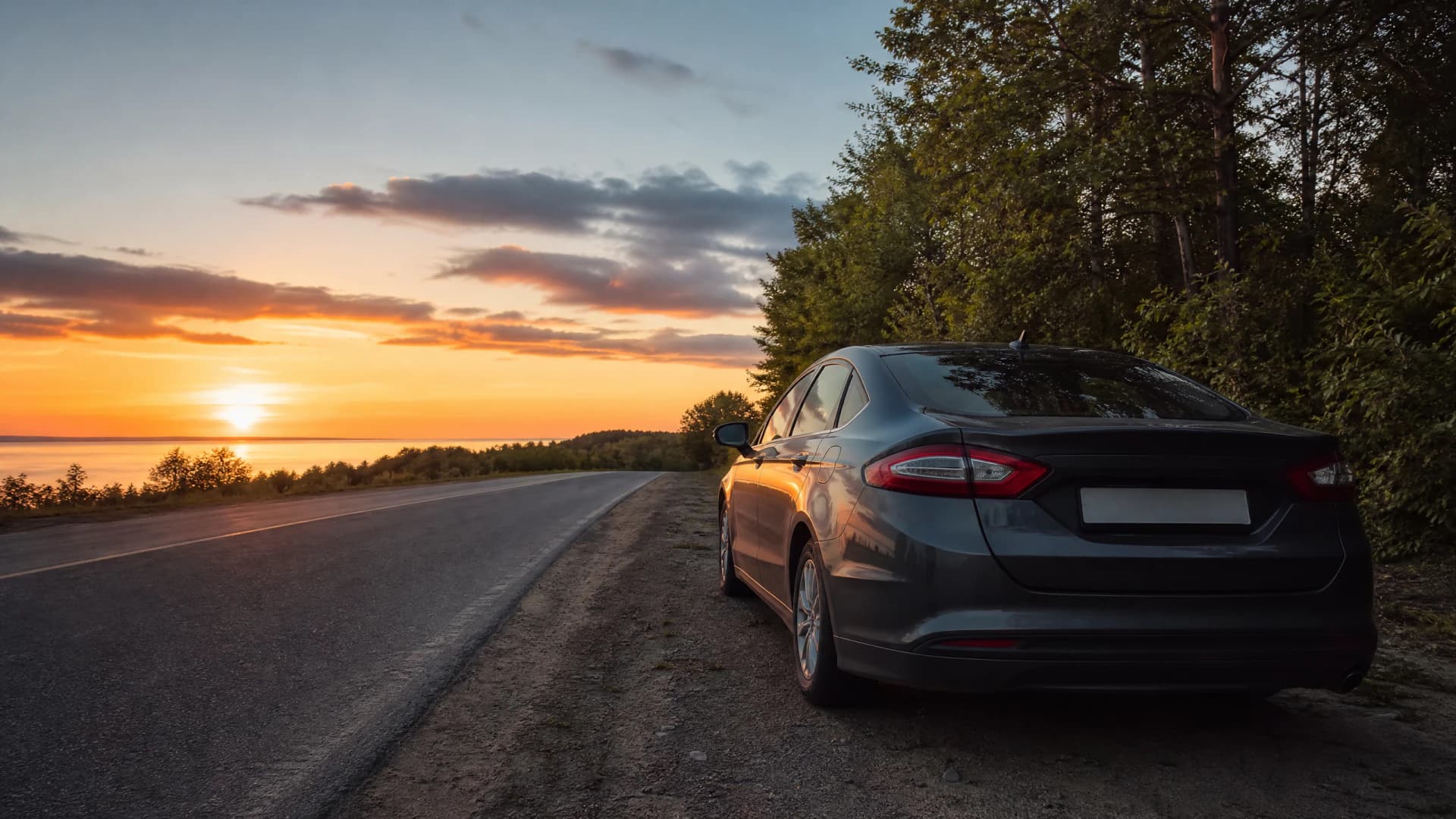
A vehicle titled to someone outside the policy's named insured does not qualify for the multi-car discount, even if that person lives in your household and has their own Allstate policy.






When Combining Policies Saves Money and When It Does Not
Combining two separate Allstate policies into one multi-car policy usually lowers the combined premium because the multi-car discount applies to the total. Two spouses each carrying their own policy pay two separate base premiums with no multi-car discount. Merging the policies under one named insured activates the discount and eliminates the duplicate policy fees.
Combining policies does not always save money if one vehicle or one driver carries significantly higher risk than the other. A household with one clean-record driver and one driver with recent violations may pay more on a combined policy because the high-risk driver's rate affects the entire policy's base calculation. In that scenario, keeping the high-risk driver on a separate non-standard policy and the clean-record driver on a preferred-tier policy can produce a lower combined cost.
Allstate writes both standard and non-standard auto insurance in Texas. If one household member qualifies for standard coverage and another requires non-standard coverage due to violations or lapses, the carrier may recommend separate policies rather than combining them. The multi-car discount on a standard policy does not offset the base rate increase that comes from adding a high-risk driver to that same policy.
14.5%
Texas Uninsured Motorist Rate
14.5% of Texas motorists drive uninsured. Adding uninsured motorist coverage to your Allstate multi-car policy protects every vehicle and driver on the policy when an at-fault driver has no insurance.
Insurance Information Institute, 2023

Coverage Decisions for Multi-Car Households
Every vehicle on your Allstate policy must carry at least Texas minimum liability limits: $30,000 bodily injury per person, $60,000 bodily injury per accident, and $25,000 property damage. You can choose higher liability limits, and you can add collision and comprehensive coverage to some vehicles while leaving others with liability-only coverage. The multi-car discount applies to the total policy premium regardless of which vehicles carry full coverage.
A household with one high-value vehicle and two older vehicles often insures the high-value vehicle with full coverage and the older vehicles with liability only. Allstate allows different coverage levels for different vehicles on the same policy. The multi-car discount still applies because all three vehicles sit on one policy, even though the coverage selections differ.
Compare Allstate Against Other Texas Multi-Car Carriers
Allstate is one of 28 carriers writing multi-car policies in Texas. Other carriers with statewide availability and multi-car discount programs include State Farm, GEICO, Progressive, Farmers, Nationwide, and USAA. Each carrier calculates the multi-car discount differently, and base rates vary by carrier, county, and household profile. A household with three vehicles in Houston may receive a better total premium from one carrier, while the same household in El Paso may receive a better rate from another.
The only way to determine which carrier offers the lowest total premium for your household is to compare quotes with identical coverage selections across multiple carriers. Allstate's multi-car discount structure works well for households with clean driving records and standard-tier vehicles. Households with high-risk drivers or non-standard vehicles may find better rates with carriers specializing in non-standard coverage, such as Bristol West, Dairyland, or Progressive's non-standard tier. Use the site's comparison tool to request quotes from carriers writing multi-car policies in your Texas county.
What Happens When You Add a Third or Fourth Vehicle
When you add a third vehicle, Allstate recalculates the premium for all three vehicles based on the updated household profile. The carrier considers the total number of drivers, the total number of vehicles, the garaging address for each vehicle, and the assignment of drivers to vehicles. If the new vehicle is a high-value or high-performance model, or if it is assigned to a younger driver, the re-rate can increase the premium for vehicles already on the policy.
The multi-car discount increases with each additional vehicle, but it applies as a percentage reduction to the total policy premium after the base rates are calculated. A household adding a fourth vehicle sees a larger discount than a household with two vehicles, but the total premium still reflects the combined risk of insuring four vehicles and all assigned drivers. The discount does not override the base rate increase that comes from adding another vehicle to the policy.
Get Your Free Quote
Get My Texas Car Insurance QuoteFrequently Asked Questions
Does Allstate offer a multi-car discount in Texas?
Yes. Allstate offers a multi-car discount in Texas when you insure two or more vehicles on the same policy under one named insured. The discount applies to the total policy premium and increases as you add more vehicles.
Can I add a vehicle to my Allstate policy mid-term?
Yes. You can add a vehicle to your Allstate policy at any time during the policy term. Adding a vehicle mid-term triggers a policy re-rate that recalculates the premium for every vehicle on the policy, not just the newly added one.
Do all vehicles on an Allstate multi-car policy need the same coverage?
No. You can choose different coverage levels for different vehicles on the same Allstate policy. One vehicle can carry full coverage while another carries liability only, and the multi-car discount still applies to the total policy premium.
Can I combine two separate Allstate policies into one multi-car policy?
Yes. You can combine two separate Allstate policies into one multi-car policy under one named insured. Combining policies activates the multi-car discount and eliminates duplicate policy fees, usually lowering the combined premium.
Does Allstate write non-standard multi-car policies in Texas?
Yes. Allstate writes both standard and non-standard auto insurance in Texas. If one household member requires non-standard coverage due to violations or lapses, the carrier may recommend separate policies rather than combining them on one multi-car policy.
How do I get an Allstate multi-car quote in Texas?
You can request an Allstate multi-car quote online through the carrier's website or by contacting an Allstate agent. Provide the number of vehicles, the make and model of each vehicle, and the drivers assigned to each vehicle to receive an accurate quote.